A clogged drain in Everett can turn a regular Tuesday into a soggy nightmare. Nobody wants to stand ankle-deep in shower water or watch their kitchen sink refuse to cooperate.

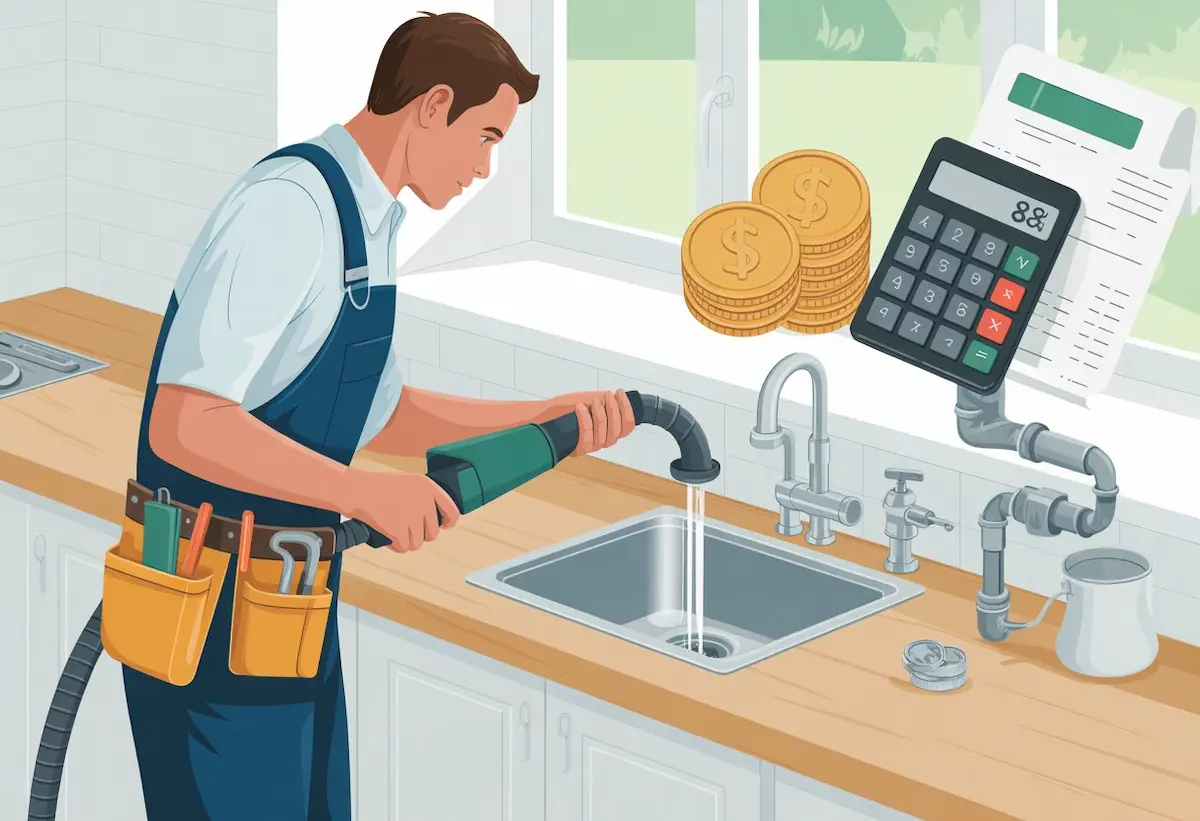
Most homeowners in Everett pay between $150 and $300 for professional drain cleaning, though simple clogs might cost as little as $95 while severe blockages can run up to $500 or more. The final price depends on what’s causing the backup, where it’s located, and how much work it takes to clear it out.
This guide breaks down what affects drain cleaning costs in the Everett area and when it makes sense to grab a plunger versus calling in the pros. Readers will find practical tips for tackling minor clogs themselves, warning signs that point to bigger problems, and what to expect when a plumber shows up at the door.
Quick Fixes You Can Do Right Now
Before calling a plumber in Everett, homeowners can try several household items that work surprisingly well on minor clogs. These methods cost nothing and take just a few minutes to attempt.
Plastic Bag & Water Trick
This method works for sink drains with minor blockages near the surface. Fill a plastic shopping bag halfway with warm water and tie it off at the top. Press the bag firmly over the drain opening, creating a seal around the edges. Push down quickly several times to force water through the pipe.
The pressure from the bag can dislodge hair, soap scum, and small food particles. It’s gentler than chemical cleaners and won’t damage pipes. This technique works best on bathroom sinks where the clog sits within a few inches of the drain opening. If nothing moves after 10-15 pushes, the blockage likely sits too deep for this method.
Flat Jar Lid Or Coffee Pod Top
A flat disc creates suction similar to a plunger but fits into smaller spaces. Find a jar lid or coffee pod top that’s slightly larger than the drain opening. Run hot water for 30 seconds to soften the clog. Place the lid flat against the drain hole and press down hard while moving it in circular motions.
The lid edges create a temporary seal that builds pressure in the pipe. Lift and press repeatedly to create a pumping action. This works particularly well on kitchen sinks with standing water. The method costs nothing since most homes already have these items lying around.
Wet Washcloth Method
A damp washcloth creates an airtight seal better than many household items. Fold a washcloth into a square that covers the entire drain opening. Run it under hot water and wring it out until just damp. Press it firmly over the drain with your palm.
Push down hard and release quickly, repeating 15-20 times. The wet fabric molds to the drain shape and prevents air from escaping around the edges. This generates strong pressure pulses that can break up soap buildup and hair clogs. It’s safe for all pipe types and won’t scratch porcelain or stainless steel surfaces.
Rubber Ball Or Suction Cup
Small rubber balls or suction cups generate impressive pressure without fancy equipment. Find a ball slightly smaller than the drain opening or use a suction cup from a phone holder. Wet the rim of whatever tool is being used. Press it over the drain firmly and pump up and down rapidly.
The key is maintaining a tight seal while creating quick pressure changes. Twenty to thirty pumps usually reveals whether this approach will work. The rubber creates better suction than hard plastic items. This method excels at clearing shower drains clogged with hair and soap residue.
Reliable, Low-Cost Tools That Solve The Problem
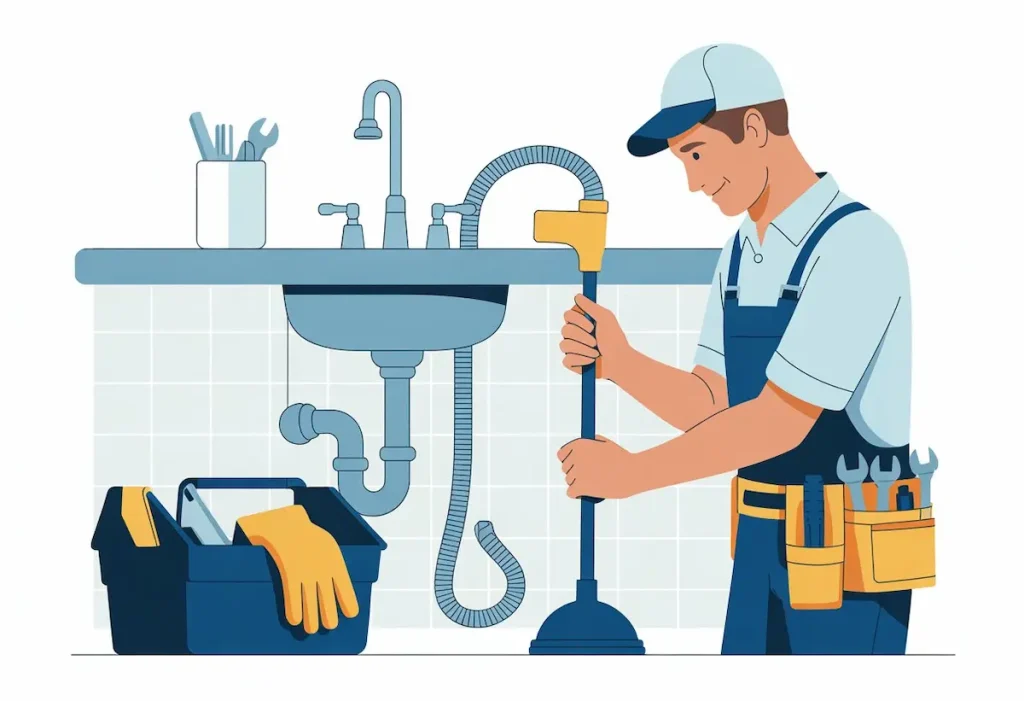
A few simple tools can prevent drain clogs before they start, saving homeowners significant money on professional cleaning services. These affordable items work by catching debris before it enters the plumbing system.
Universal Rubber Stoppers
Universal rubber stoppers fit most standard drains and create an airtight seal that prevents hair, food particles, and soap scum from sliding down pipes. These cone-shaped tools compress to fit drains ranging from 1 to 2.5 inches in diameter.
Most hardware stores sell them for $3 to $8 each. The best ones feature ridged sides that grip sink edges securely.
Homeowners should replace rubber stoppers every 12 to 18 months as the material degrades from exposure to cleaning chemicals and hot water. A worn stopper loses its ability to create a proper seal, allowing debris to pass through. The investment pays for itself after preventing just one service call to a plumber.
Silicone Drain Covers
Silicone drain covers sit flat over drain openings and catch debris while allowing water to flow through small perforations. The flexible material conforms to various drain shapes in showers, tubs, and bathroom sinks.
These covers typically cost between $5 and $12. They last longer than rubber alternatives because silicone resists chemical damage and temperature extremes. Most models feature a raised center that makes removal easy.
Kitchen versions have finer mesh patterns to trap coffee grounds and food scraps. Bathroom models use wider spacing to capture hair without restricting water flow. Cleaning them takes seconds under running water, and they’re dishwasher safe. The transparent design blends with any fixture finish.
Why Your Tub Might Still Be Losing Water

A bathtub that won’t hold water ranks somewhere between a paper umbrella and a chocolate teapot on the usefulness scale. The culprit isn’t always obvious, even after someone’s poked around the drain.
The stopper mechanism wears out over time. Those little rubber seals get brittle and crack. The linkage connecting the trip lever to the stopper can bend or come loose. Sometimes the stopper itself warps from years of hot water exposure.
Pop-up drain assemblies are particularly sneaky. They have multiple connection points where things can go wrong:
- Pivot rod seals that deteriorate and leak
- Spring clips that slip out of position
- Stopper cups that develop hairline cracks
- Drain flange gaskets that compress and fail
A worn stopper might look fine from above but leak like a sieve underneath. Hair and soap buildup can prevent a stopper from seating properly against the drain opening. Even a tiny gap lets water escape at an annoying rate.
Old cast iron or galvanized pipes sometimes develop pinhole leaks in sections homeowners can’t see. These leaks don’t just waste water—they can create slow drains elsewhere as pressure changes affect the entire sewer system.
The overflow plate assembly presents another failure point. The gasket behind it can crack or shrink. Water then seeps through the wall instead of going down the intended drain path.
Professional plumbers know that bathtub drainage issues often require removing the entire assembly for proper inspection. What appears to be a simple stopper problem might involve corroded pipes or improper installation from years back.
Remove Or Repair The Existing Stopper (If It’s Still There)
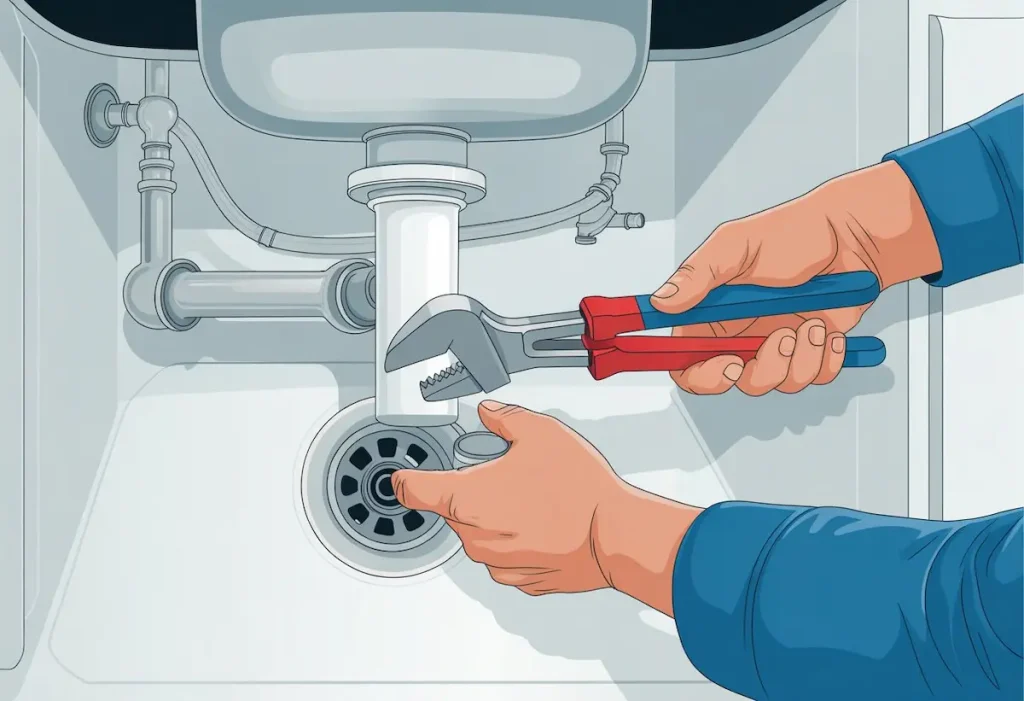
Most drain stoppers eventually fail from hair buildup, corrosion, or broken mechanisms. Homeowners in Everett often face removal costs between $75-$150, though repair might save money if the stopper mechanism still functions properly.
Toe-Touch, Trip-Lever, And Push-Pull Models
Toe-touch stoppers unscrew counterclockwise from the drain opening. A flathead screwdriver wedged underneath provides leverage when corrosion makes turning difficult. The threaded post beneath connects to a spring mechanism that wears out after years of bathroom use.
Trip-lever assemblies hide their complexity behind the overflow plate. Two screws hold the faceplate in place. The linkage rod extends down into the drain, connecting to a rocker arm that raises and lowers the stopper plug. This system clogs frequently with hair wrapped around the linkage.
Push-pull stoppers feature a knob on top that twists to lock in open or closed positions. The entire unit lifts straight out once unthreaded from the drain body. Plumbers charge less for these repairs since no overflow plate removal is necessary.
| Stopper Type | Removal Method | Common Issue |
|---|---|---|
| Toe-Touch | Unscrew counterclockwise | Corroded threads |
| Trip-Lever | Remove overflow plate | Hair-clogged linkage |
| Push-Pull | Twist and lift | Worn O-rings |
Simple Leak Test You Can Do In 5 Minutes

A water meter test reveals hidden leaks that might be driving up bills and causing drain problems. Turn off every faucet, shower, dishwasher, washing machine, and ice maker in the house. Make sure nobody flushes a toilet during the test.
Find the water meter, usually located in the basement or outside near the street. Write down the exact numbers showing on the meter dial.
Wait five minutes without using any water at all. Check the meter again and compare the numbers.
If the numbers changed, there’s a leak somewhere. The meter doesn’t lie – it only moves when water flows through the pipes.
| What The Test Shows | What It Means |
|---|---|
| Numbers stayed the same | No active leaks detected |
| Numbers increased slightly | Small leak, possibly a toilet flapper |
| Numbers jumped significantly | Major leak requiring immediate attention |
This simple test catches problems before they turn into expensive repairs. Leaks often hide in walls, under slabs, or in drain lines where they’re impossible to see.
When the meter test confirms a leak but nothing seems obviously wrong, professional help becomes necessary. Plumbers use sewer camera inspection tools to spot problems inside pipes without tearing apart walls. These camera inspections pinpoint exact locations, saving time and money on repairs.
A positive leak test doesn’t always mean drain cleaning is needed, but it signals that something requires attention soon.
When It’s Time To Call A Plumber
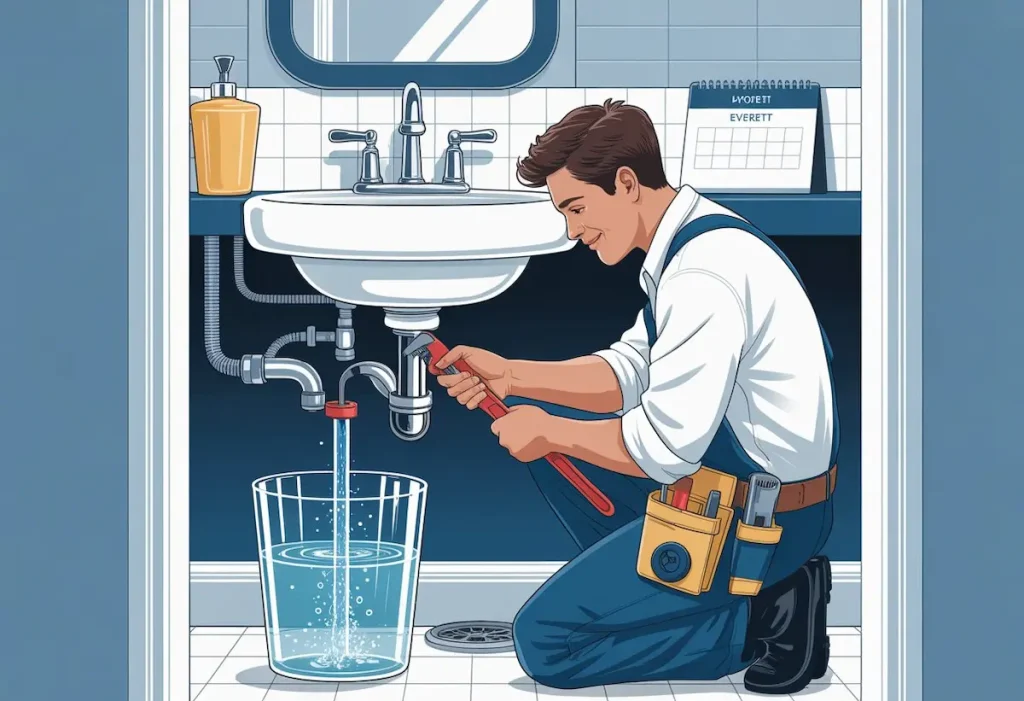
Some drain problems fix themselves with a plunger and elbow grease. Others need professional attention before things get messy.
Signs that require immediate plumbing services include:
- Multiple clogged drains throughout the home
- Water backing up in strange places (like the shower when flushing the toilet)
- Sewage smells coming from drains
- Gurgling sounds from pipes
- Standing water that won’t drain after repeated attempts
A single clogged drain might respond to DIY methods. When several drains act up simultaneously, the problem likely lurks deeper in the main sewer line.
Store-bought chemicals rarely solve serious drain clogs. They can actually damage older pipes and create toxic fumes. Drain specialists use safer methods like hydro jetting to clear stubborn blockages without harming the plumbing system.
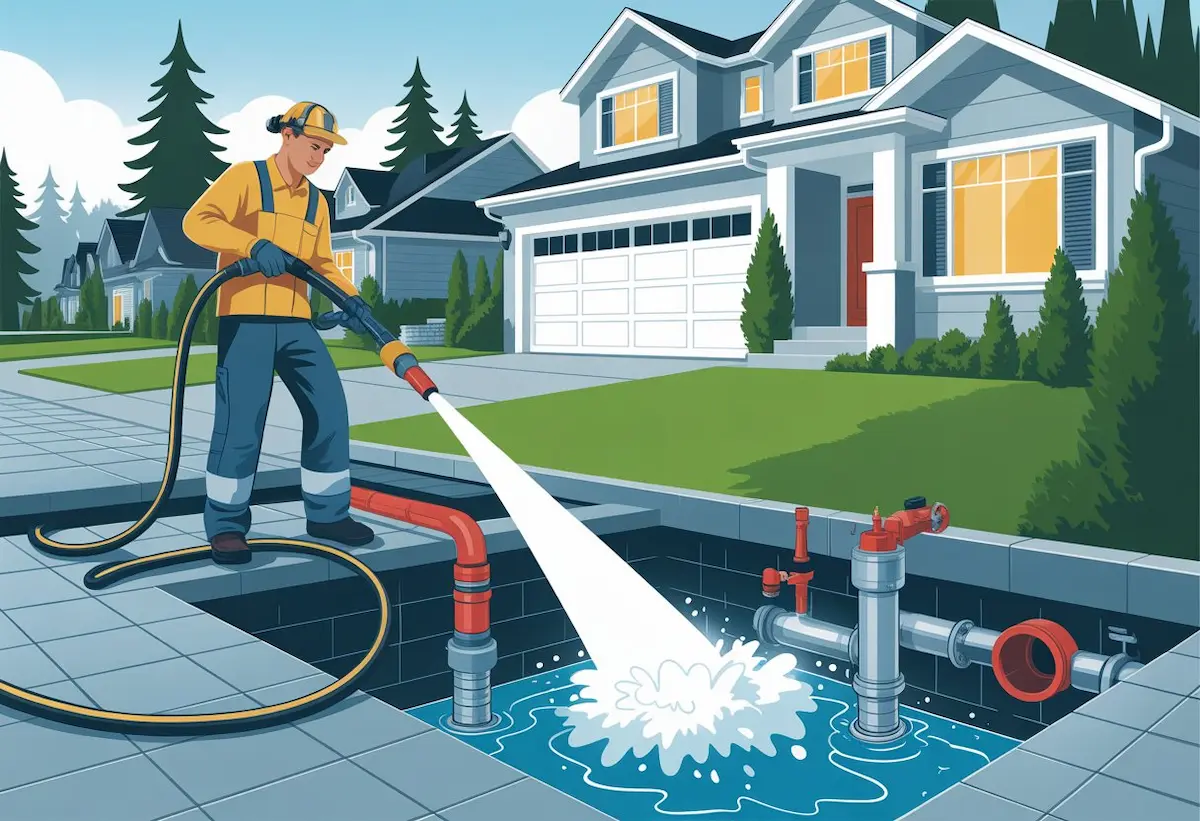
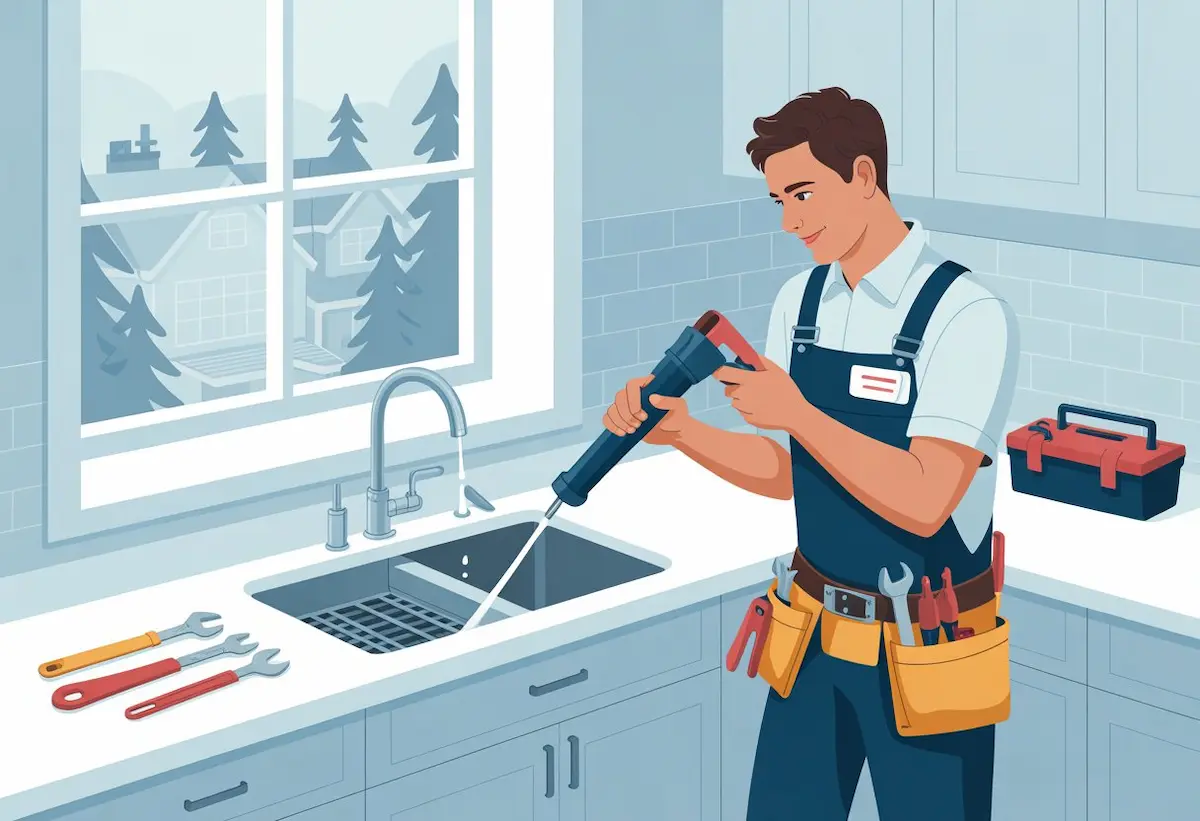
Professional drain cleaning services come equipped with tools homeowners don’t have. Video cameras can inspect pipes to find the exact problem location. High-pressure water jets blast through years of buildup that plungers can’t touch.
Some folks wait too long to call for drain clearing. Raw sewage backing into the house costs far more to clean up than preventing the problem in the first place.
Recurring clogs signal a bigger issue. Tree roots, collapsed pipes, or severe buildup need professional sewer cleaning. A qualified plumber can diagnose the root cause instead of just treating symptoms.
Most drain cleaning companies offer emergency services for those “it’s 2 AM and the basement is flooding” moments. Keeping a reliable plumber‘s number handy saves stress when disaster strikes.
Final Call To Action: Let’s Make Your Tub Work Like New

Nobody wants to stand ankle-deep in yesterday’s shower water. That slow drain isn’t going to fix itself.
Danika Plumbing LLC has seen every type of clog imaginable. Hair balls the size of small mammals. Mysterious objects that probably belonged to the previous homeowner. The team tackles these challenges daily across the greater Seattle area.
What homeowners get with professional drain cleaning:
- Fast removal of stubborn clogs
- Camera inspections to spot hidden problems
- Safe methods that won’t damage pipes
- Prevention tips to avoid future backups
The bathtub should drain in seconds, not minutes. When it doesn’t, something’s blocking the works down below.
Most Everett residents wait too long to call for help. They dump bottles of chemical drain cleaner down the pipe first. Those chemicals rarely work on serious clogs and can actually eat away at older pipes.
Professional equipment gets the job done right the first time.
A working tub means shorter morning routines and no more gross water pooling around feet. The technicians at Danika Plumbing LLC show up with the right tools and know-how to handle any drain situation.
Ready to fix that sluggish tub? Give Danika Plumbing LLC a call today. The team serves Everett and surrounding areas with quick response times and transparent pricing. Schedule an appointment and get that drain flowing like new again.
Frequently Asked Questions
Drain cleaning costs in Everett vary based on several factors, from the type of clog to the time of service. Most standard residential jobs fall within predictable price ranges, though emergency calls and complex blockages come with different considerations.
What factors influence the cost of professional drain cleaning services in Everett?
The type of drain affects pricing significantly. Kitchen sinks typically cost less to clear than main sewer lines, which require specialized equipment.
Location matters too. A clog in an easily accessible bathroom sink runs cheaper than one buried deep in a crawlspace or basement. Plumbers charge more when they have to move appliances or cut through walls to reach problem areas.
The method used plays a role in the final bill. Basic snaking costs less than hydro-jetting, which uses high-pressure water to blast through stubborn blockages. Some clogs only need simple tools, while others demand industrial-grade equipment that comes with higher service fees.
Time of day changes everything. Regular business hours mean standard rates, but evenings and weekends bump up the price.
How much can I expect to pay for standard residential drain cleaning in the Everett area?
A typical kitchen or bathroom sink cleaning runs between $150 and $250 in Everett. These straightforward jobs usually take an hour or less to complete.
Shower and tub drains cost slightly more, averaging $175 to $300. Hair and soap buildup in these lines often requires more intensive work than simple food particles.
Main sewer line cleaning represents the high end of residential service. Property owners can expect to pay $300 to $600 for this work. These jobs involve larger pipes and more powerful equipment to clear roots, grease, and years of accumulated debris.
Are there any additional charges when hiring an Everett-based plumber for drain cleaning?
Diagnostic camera inspections add $100 to $300 to the total cost. These cameras let plumbers see exactly what’s blocking the pipe and where it sits. The technology prevents guesswork and unnecessary digging.
Some companies charge trip fees ranging from $50 to $100. This covers the plumber’s drive time and basic assessment. Many waive this fee if customers proceed with the recommended service.
Permits might be necessary for certain jobs. Sewer line work sometimes requires city approval, adding $50 to $200 in permit costs. The plumber usually handles the paperwork, but the customer pays the fees.
Is it more cost-effective to perform regular maintenance or wait for a clog to hire a drain cleaning service in Everett?
Preventive maintenance wins every time. Annual drain cleaning runs $150 to $200 per drain, a fraction of emergency service costs.
Waiting for a complete blockage often means paying double or triple. Emergency calls start at $400 and climb from there. Plus, severe clogs can damage pipes, leading to expensive repairs that maintenance would have prevented.
Regular cleaning catches small problems before they become disasters. Roots get cleared while they’re small, grease gets removed before it hardens, and minor buildup gets flushed before it calcifies.
Property owners who schedule yearly service spend less over five years than those who only call during emergencies. The math is straightforward and the savings add up fast.
What is the price range for emergency drain cleaning services in Everett homes and businesses?
Emergency drain cleaning in Everett starts at $400 for basic after-hours calls. Late nights, holidays, and weekends all trigger premium rates that double or triple standard pricing.
Businesses facing urgent drainage issues might pay $500 to $1,200 depending on complexity. A restaurant with a backed-up grease trap on Saturday night represents a worst-case scenario for costs. The urgency and specialized equipment needed push prices to the upper limits.
Residential emergencies during extreme weather or holidays hit the wallet hardest. A main sewer backup on Thanksgiving can run $800 to $1,500. Plumbers charge more because they’re leaving their families and working in difficult conditions.
How does the complexity of a drain clog affect the overall cleaning cost in the Everett region?
Simple clogs near drain openings cost the least. A hairball sitting two feet down a bathroom sink runs $150 to $200. The plumber can snake it quickly without special tools.
Mid-level complexity involves clogs deeper in the system. Tree roots pushing into pipes 15 feet from the house require hydro-jetting equipment. These jobs run $400 to $700 and take several hours to complete properly.
Severe blockages demand the most time and equipment. Collapsed pipes, hardened concrete in lines, or extensive root infiltration can cost $800 to $2,000. Sometimes these situations require excavation and pipe replacement, not just cleaning.
Multiple clog points increase costs proportionally. Finding three separate blockages in one system means three times the work, though plumbers often discount the total rather than charging full price for each location.