
11015 Airport Road Everett, WA 98204
Home » Lake City Plumbing Company
Here is the part nobody mentions when you buy a house at the Lake City end of Seattle. The pipe carrying waste out of your basement does not stop being yours at the property line. Seattle Public Utilities puts it plainly: if you own the building, you own your side sewer all the way to the public main, and that main sits under the street.
The code is blunter still. SMC 21.16.190 says the line is yours “whether located in a public or private place” — right up to, but not including, the tee or wye where it meets the city’s pipe. So the twelve feet under the planting strip, the bit under the kerb, the bit under the asphalt: yours to maintain, yours to dig up, yours to pay for.
We work on these lines most weeks. Half the plumbing calls up here start the same way — somebody was told the city would handle it.
Danika Plumbing & Electric covers north-east Seattle out of Everett — side sewers, water heaters, water lines, drain cleaning and the rest of the plumbing a house of this age throws at you. We pull the permits rather than leaving them with you.
This end of town was its own township in 1949 — forty thousand people, the fourth largest community in the state, with a little treatment plant of its own built in 1952 to discharge into Thornton Creek. Annexation came in January 1954. What that history means for our plumbing is a patchwork: 1906 and 1913 plats, 1920s subdivisions, post-war infill, galvanised water pipe, and laterals joined together in ways no modern inspector would sign off.
So we survey before we quote. Camera down the lateral, locate the wye, check whether it is shared, look over the water service while we are there, then tell you what the plumbing work actually is.
Plenty of houses on these older plats do not get their own run to the main. Two, three, sometimes five properties tie into one line first, and that shared length is where the arguments live. SPU is clear that from the point your pipe combines with other properties’ pipes, you and your neighbours share maintenance and repair of that shared run between you.
Then the code sharpens it. Under SMC 21.16.354 each responsible party is jointly and severally liable, and the Director may act “in whole or in part, against any responsible party”. 21.16.290 says the same about expense, loss or damage. Translated: the city does not have to chase all five of you. It can chase the one it can find. A court sorts out who owes what afterwards, weighing who knew, who could have fixed it, and who can pay. One shared sewer line, five owners, one repair bill.
There is help, it is free, and almost nobody uses it. SPU will look your lateral up on their mapping system, check whether they already hold a video of your connection, review your scope footage, and write to your neighbours about shared responsibility. They also publish a Side Sewer Joint Use and Maintenance Agreement. We ask for all of it before a spade goes in — it has saved customers the whole excavation more than once.
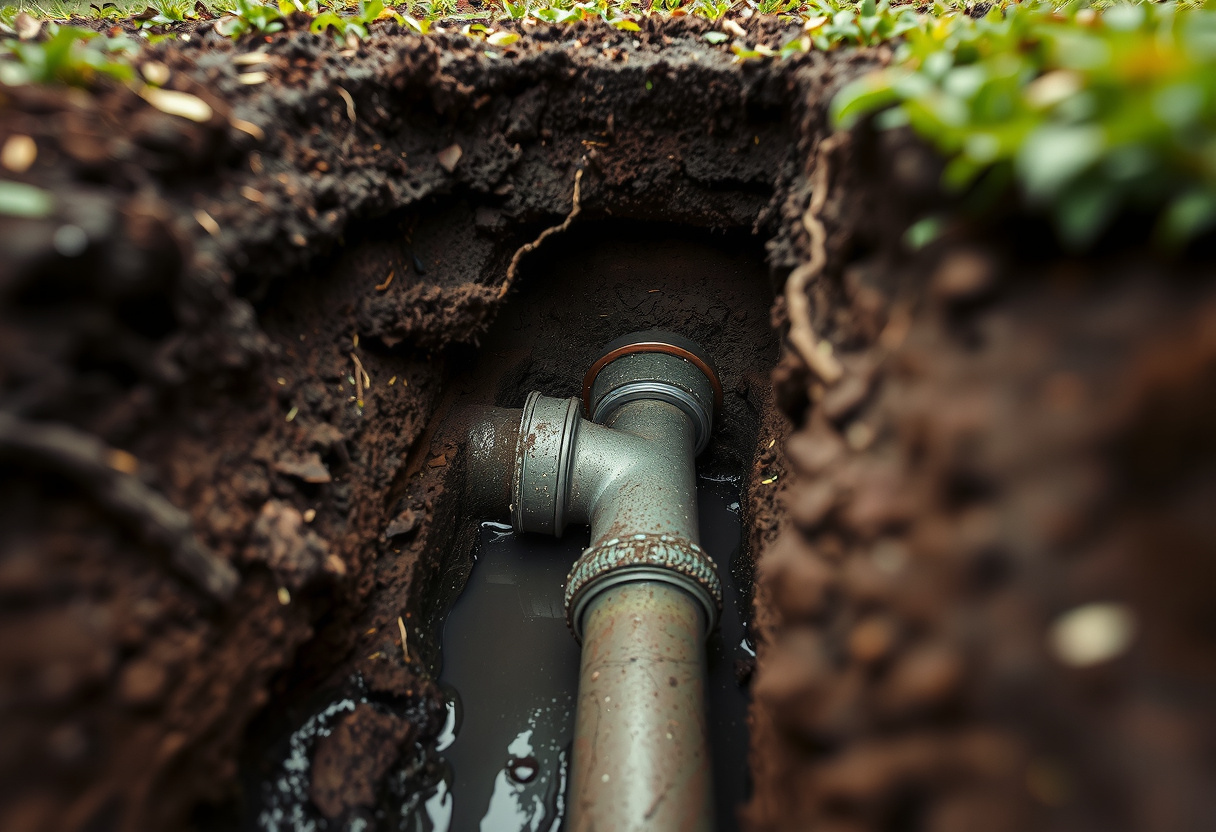
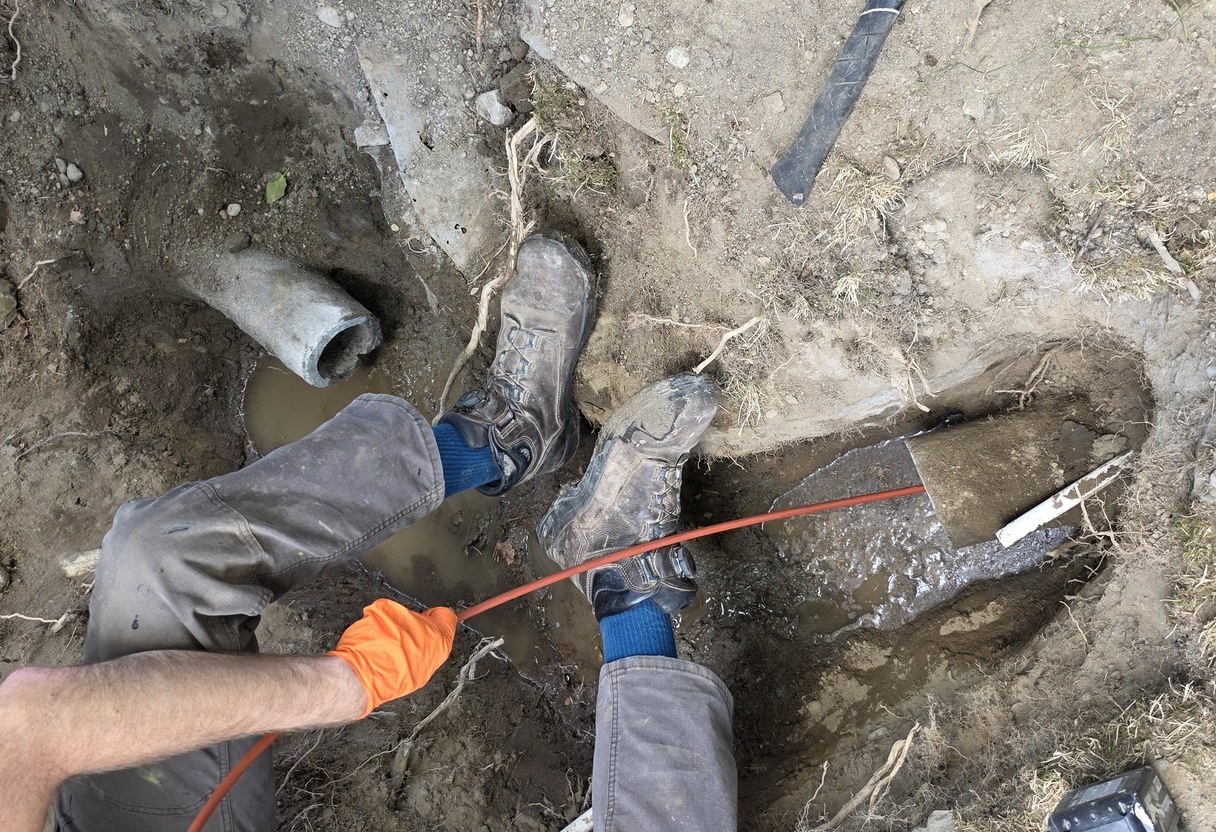
Clay with root-packed joints under the parking strip. Cast iron that has gone to scale inside. Orangeburg on a 1950s infill lot, flattening out under a driveway. We see all three within a few blocks of each other, and the right sewer repair depends far more on what the camera shows than on the age on the title.
Sometimes it is a spot repair on one bad joint. Sometimes the whole sewer line gets relined, so the garden and the mature cedar stay where they are. Sometimes it is a full replacement out to the wye, and then the trench rules bite: nothing covered until it has been inspected and approved, with the approval posted at the job site, and any trench within four feet of a public place barricaded and safely covered whenever nobody is working in it.
Inside the house the same logic applies to the water supply. Galvanised water pipe narrowed to a pencil. Old poly from a 1970s remodel. A water service line from the meter that has been patched twice already. We repipe in stages, room by room, so you keep a working bathroom and hot water throughout. Low water pressure upstairs is usually the water supply telling you the same story the sewer camera tells downstairs.
We will say when plumbing repairs are the sensible answer and when you are paying twice for the same problems. Good repairs beat an unnecessary replacement most days of the week.
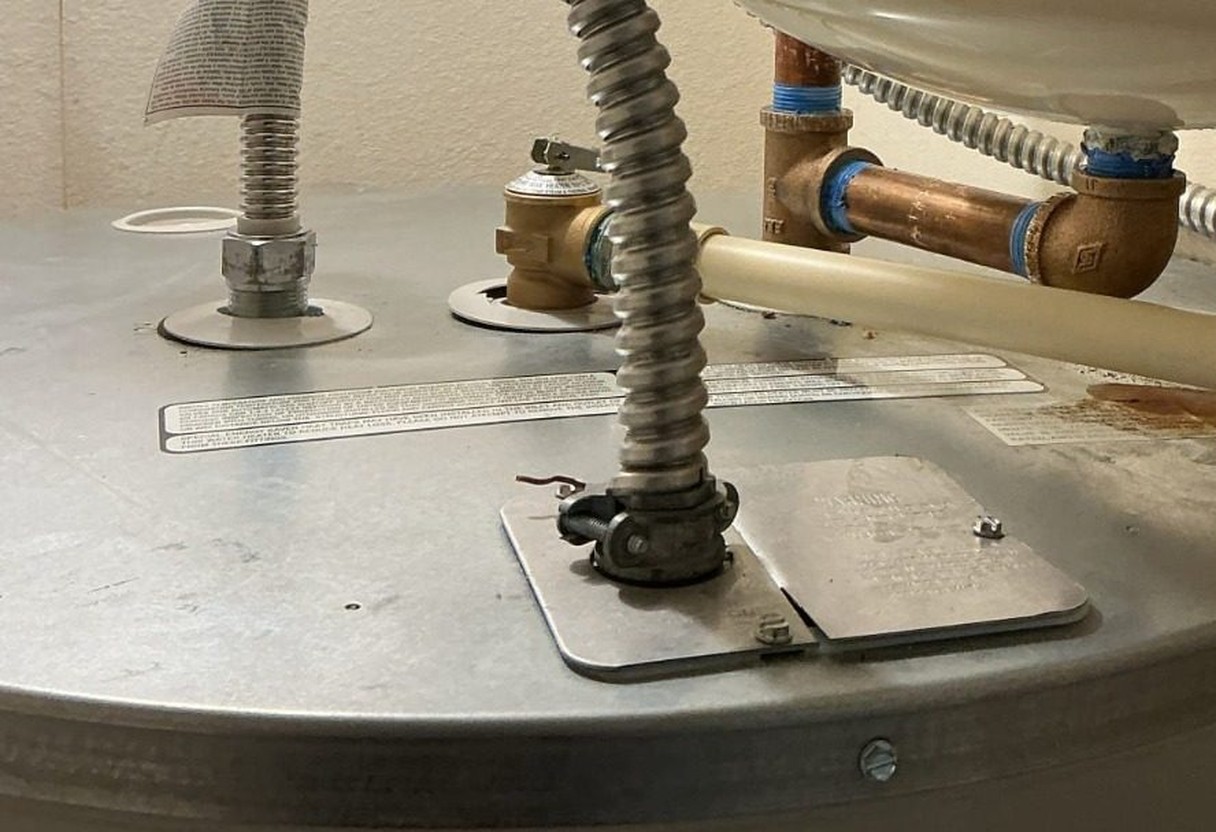
The housing stock up here runs from pre-war bungalows to 1960s splits to new townhouses squeezed onto old double lots, and each one argues with a different water heater. A basement water heater with a flue that was fine in 1978 and is not fine now. A garage tank on a slab with no drain pan. A tankless unit sized for a flat, fitted to a house where two showers both run at seven in the morning. Water heaters fail on the coldest week of the year, every year.
We size on the hot water the house actually draws, not on what came out. A water heater repair when a valve or an element is the whole fault. Replacement in kind when that is honest. A tank swap with the venting corrected when it is not, and a tankless unit only where the gas line and the vent route genuinely support it. Every water heater installation gets a seismic strap, a drain pan where the location needs one, and a thermal expansion check on the water system.
One thing worth knowing if your plumbing sits below the level of the main: the code expects waste to be lifted mechanically, or it may allow a backwater valve instead — but then an instrument gets recorded with the King County Recorder’s Office, and keeping that valve working is on you.
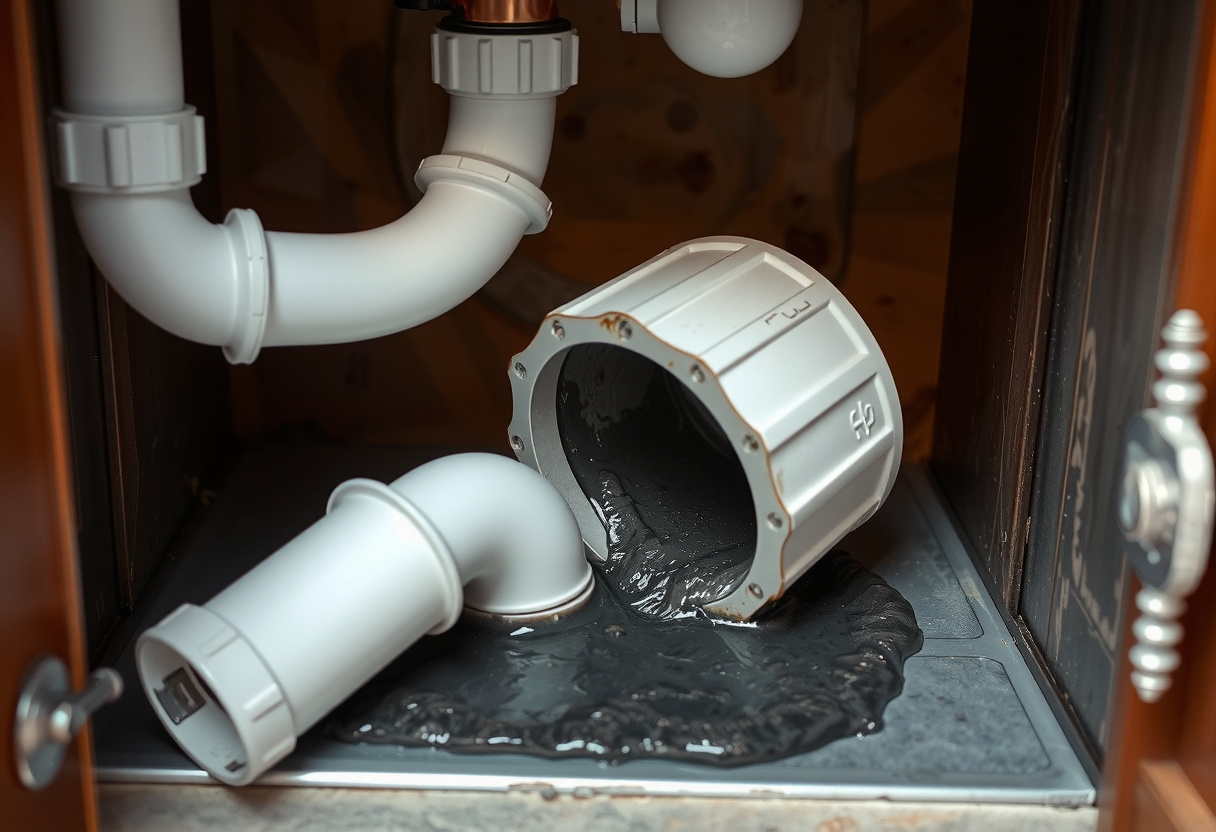
Seattle’s list of what may not go down a drain is oddly domestic, and that is the giveaway — it was written from experience. Food waste, ashes, cinders, sand, cat litter, mud, straw and hair are all named. We have pulled every item on that list out of a trap, a drain or a sewer lateral at some point.
Which is why drain cleaning here starts with a diagnosis. A cable clears the blocked drain; the camera tells you whether it was litter, a bellied section holding water, or roots at a joint. Hydro jetting scours a greased-up kitchen drain properly when a cable would just punch a hole through it. We will tell you which cleaning your drains actually need, and if the honest answer is that it only buys you eighteen months before the line needs repair, we will say that too.
Slow drains in a house on a shared run are worth taking seriously early. A cleaning visit is cheap next to a shared repair bill you could have seen coming.
Call 811 before you dig — always, and it is the law. Just know what it buys you. The free locate marks the utility-owned lines. As SPU puts it, many buried lines under your property belong to you, and locating those is a private job.
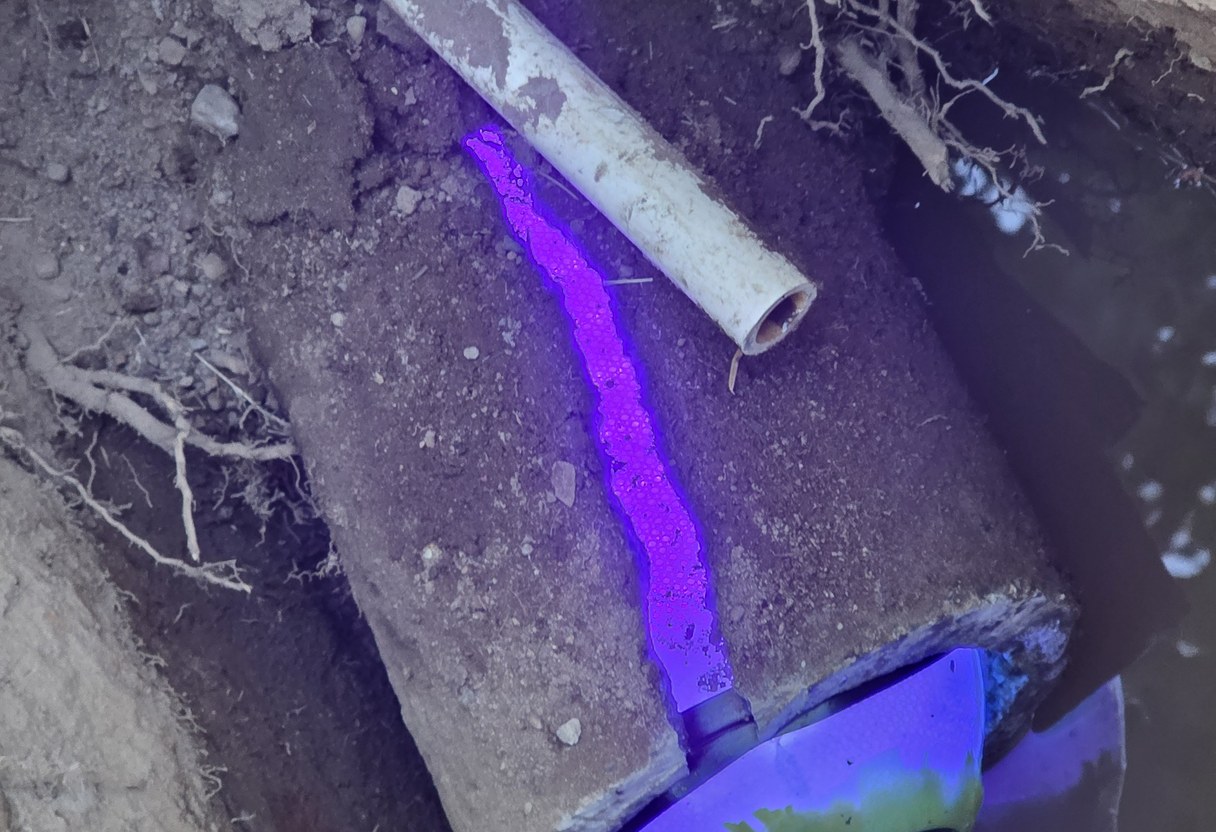
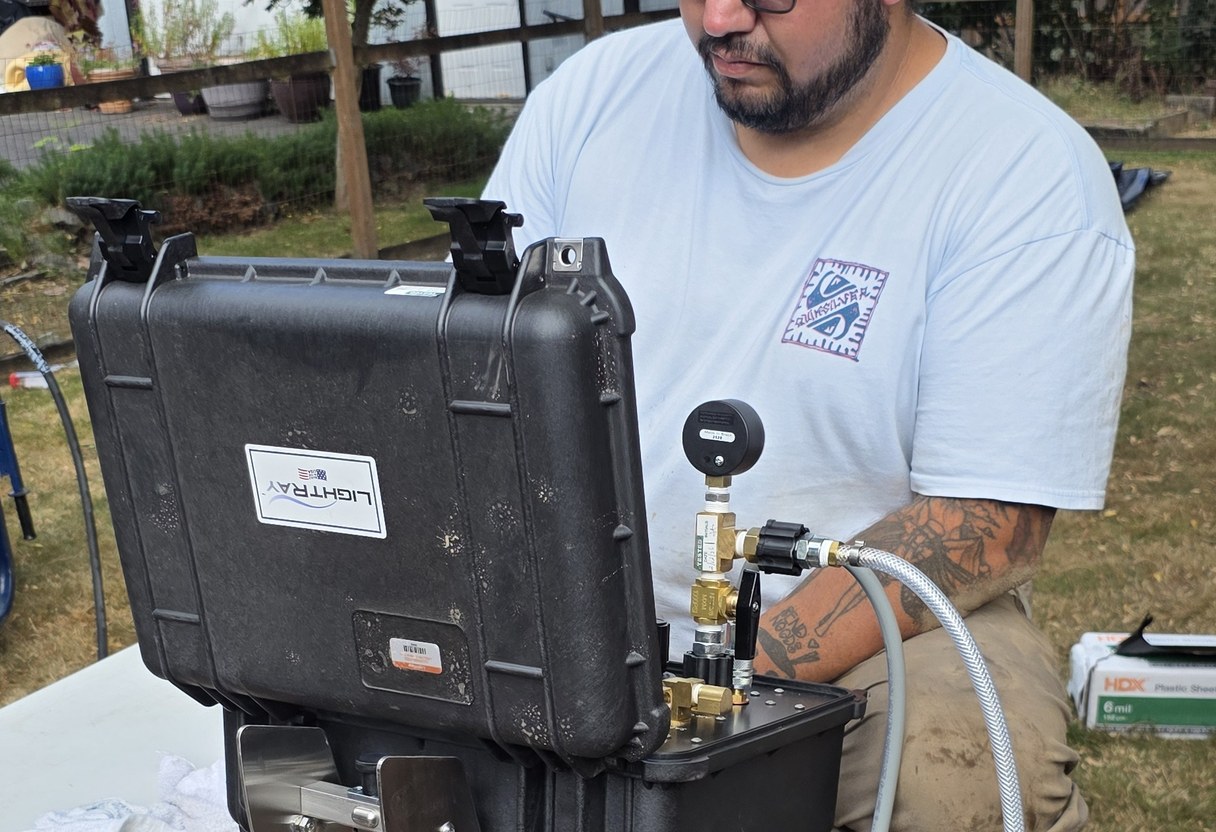
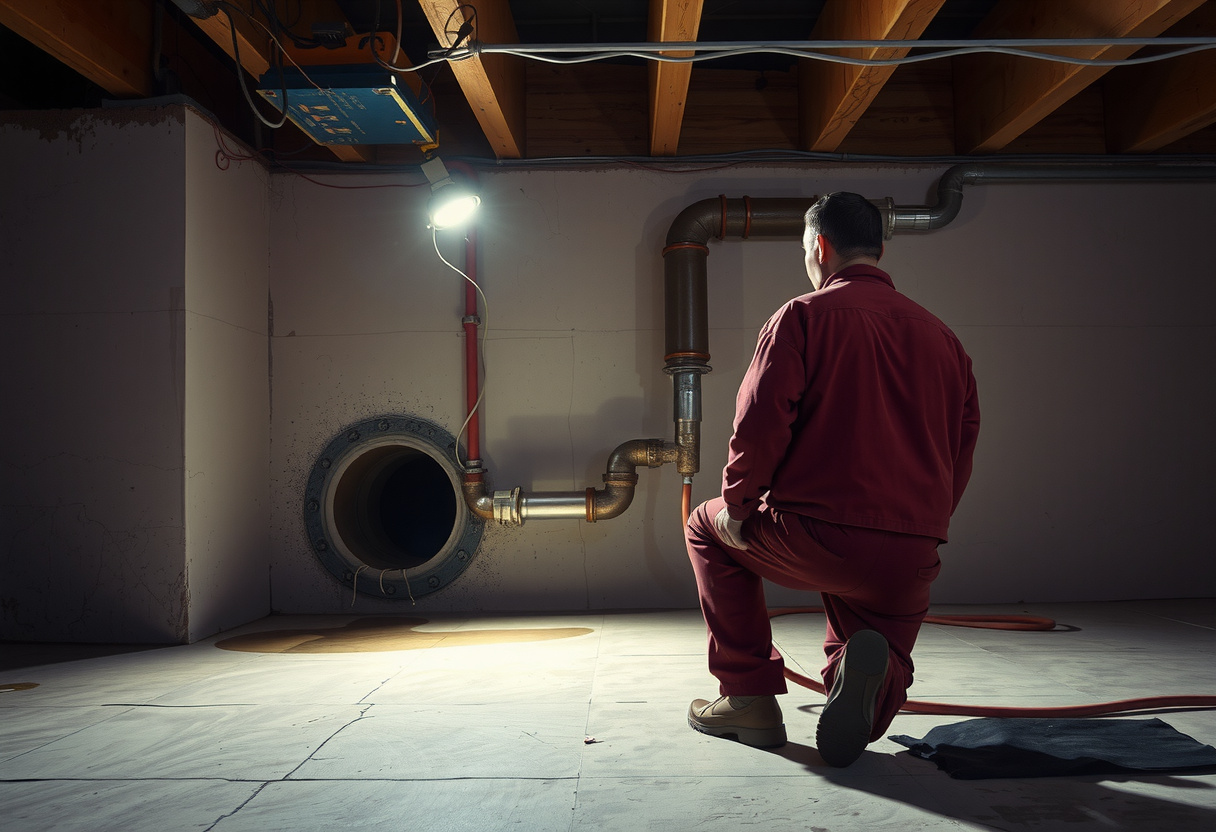
So the side sewer nobody can find, the irrigation feed, the old abandoned run that may or may not still be connected: those get located properly, with a transmitter down the pipe and a receiver over the lawn, before anything is excavated. The same kit finds water leaks — a water meter creeping with every tap shut, a warm stripe across a slab, a flowerbed that stays green through August. A buried water line can leak for months before anything shows at the surface.
Finding water leaks precisely is the difference between a two-foot hole and a trench across the front garden. On a shared run it is also the difference between one repair bill and an argument with four neighbours.
Thornton Creek runs in two branches through this part of the city, and as the streets filled in it was pushed into storm sewers to stop the flooding. Northgate went over a wetland and the creek in 1950; the freeway covered the north branch headwaters in 1967. Useful history, and a useful warning: the storm system here was built to move rain, and the sewage goes somewhere else entirely. When the two meet in your basement, something has failed.
We are on call 24 hours a day for sewer backups, burst water lines and a water heater that has let go across a finished floor. Shut the water off at the meter if you can get to it, then ring us and we will talk you through the rest.
The old Bothell Road became Victory Way in 1924 and carries a different name again today; it still sets the shape of the neighbourhoods either side of it. We cover the plumbing in the lot of them, from NE 85th up to the city line at NE 145th, and over it.
Our full coverage is on the service area page. Straight over the line at NE 145th is Shoreline, where a different utility answers the phone, and the rest of the city is covered on our Seattle page. Everett is home — that is where we started. Sewer work, drain cleaning and water heater work run off the same van. We do the same on commercial premises, and for the everyday toilet and shower repairs.
You do. SMC 21.16.190 says the side sewer, “whether located in a public or private place”, is owned, installed, operated and maintained by the owner or occupant of the property served, and that this includes the pipe system up to — but not including — the tee, wye or connection to the public main. SPU says the same thing in plainer words on its side sewers page. The main under the street is the city’s. Everything from your fixtures to the wye is yours.
Both of you, and possibly neither of you alone. SPU’s guidance is that from the point your pipe combines with other properties’ pipes, you share maintenance and repair responsibilities. SMC 21.16.354 makes each responsible party jointly and severally liable, and 21.16.290 applies the same rule to expense, loss and damage — so the city can enforce against any one of you for all of it, and a court apportions the cost afterwards. Before that happens, ask SPU to notify the neighbours about shared responsibility and look at their Side Sewer Joint Use and Maintenance Agreement.
It gets expensive in a specific way. Under SMC 21.16.180, if the utility finds a sewer obstructed, broken, inoperative or inadequate and a menace, it can order the correction; if the owner does not act, the city may do the work itself and charge the cost plus fifteen percent for administration. That amount is immediately payable and becomes a lien upon the premises, which can be foreclosed. Separately, 21.16.352 provides for civil penalties of up to five thousand dollars a day.
Yes. Seattle’s side sewer permit covers more than new connections — it is required to connect, to construct, repair, alter or add to a line, and also to abandon, remove or cap one. It covers work on private property and within the public right-of-way, and the permit is valid for eighteen months unless it is renewed. When an inspection is called, the city may require 48 hours’ notice plus Saturdays, Sundays and holidays, and nothing is covered up until it has been inspected and approved with the approval posted at the job site.
It does, and this is the single most useful thing to check before you let anyone dig. Under SMC 21.16.060 a registered side sewer contractor pays a registration fee and must pass a written examination administered by SPU — or employ somebody who has — with a separate examination fee, and must file a roster naming the certified individuals and authorised agents allowed to pull permits. Ask whoever quotes you who on their roster sat the exam. We are happy to answer that question about our own work on your job.
No, and this catches people out. Calling 811 before digging is the law and you should always do it, but the free service marks utility-owned lines. SPU states that many buried utility lines under your property belong to you, and that locating lines you own has to be done by a private company. A side sewer, an irrigation main or an old abandoned run is yours, so it needs a private locate — which is what we do before we excavate.
If the camera has found something under your parking strip, or a neighbour has had a letter about a sewer you both use, ring us and we will survey it before anyone quotes a trench. We pull the permit, we book the inspection, and we tell you in writing what the plumbing work is and what it costs. Sewer repairs, water heater work, drain cleaning and water lines all run through the same number. Our reviews are on the site if you want to read them first.
Licensed · Bonded · Insured · Washington State L&I registered · Plumbing and electrical under one roof · Serving north-east Seattle, King County and Snohomish County · (425) 374-1557