
11015 Airport Road Everett, WA 98204
Home » Plumber in Woodinville, WA
Most people find this out the expensive way. There are two separate buried networks under a property here, and the city’s own code treats them as opposites. The storm drains will legally take the water off your foundation and footing drains — Woodinville Municipal Code 13.04.040 lists it by name among the discharges that are allowed. Run anything else into that same run and 13.04.030 says no, with sewage, grease, fuel oil, food wastes, concrete and silt all written into the prohibited list.
And the penalty is not a letter. Under 13.04.080(4) a violation of that chapter is a gross misdemeanor, “subject to a fine of up to $5,000 or jail time not exceeding one year or both for each and every violation.”
So when we get called out to a wet crawlspace or a pump that has quit, the first thing we work out is which of the two that discharge pipe actually joins. Sometimes a previous owner teed a laundry waste pipe into the footing drain run because it was six feet closer. That is the sort of thing you want found by somebody looking for it rather than by an inspector.

Not sure which pipe you are looking at? That is the single most common question we get on this side of the county, and it is a fair one — nothing above ground tells you. Send us a photo of the discharge point and we will tell you what we think you have. Send us the details or call (425) 374-1557.

Danika Plumbing & Electric is an Everett company. Established 2009, taken over by Frank Gaborik in 2016, and working Everett and north King County ever since — which is exactly where Woodinville sits. The city itself is young, incorporated on 31 March 1993 and still only 14,548 people across 5.65 square miles, so plenty of the plumbing here was put in by one of a handful of builders in a short run of years. Here is who you are actually hiring.
What that covers in practice. Residential plumbing for houses on the ridge and down on the valley floor, from a dripping stop valve to a whole-house repipe. Lateral repair and drain work on the buried runs outside. Water heater installation and repair, tank or tankless. Fixture work — toilets, showers, faucets. And commercial plumbing services for the tasting rooms and warehouse units. We are a licensed plumbing contractor rather than a dispatch desk, so the plumbers who turn up are the ones who quote the job and stand behind it.
This is the sentence worth reading twice, straight off the City’s own utilities page: “Woodinville Water District provides water services within the City of Woodinville. Additionally, a portion of the City also receives sewer services from Woodinville Water District.” Water, everywhere. Sewer, a portion.
Note that the district is not the city. It is “a separate local government entity formed under the rules of Title 57 of the Revised Code of Washington,” with its own boundaries and its own paperwork. And where there is no public wastewater connection, the septic side is reviewed and approved by Public Health — Seattle & King County, not by anyone at city hall.
Which means a drainage call here splits three ways before we touch a tool. On the public system? We are looking at the buried lateral and where it meets the main. On septic? Different job, different regulator, and the tank and field are not ours to permit. Somewhere on the boundary, which happens more than you would expect? We find out first and tell you plainly.
The job we see over and over out here: slow drains in an older house on a big lot, the owner assumes a clog, and a camera run finds a bellied section of lateral holding water halfway to the street. Cabling it buys a few months. We would rather scope it, show you the footage and let you decide between a spot repair and a full replacement than keep selling you the same cable job twice a year.
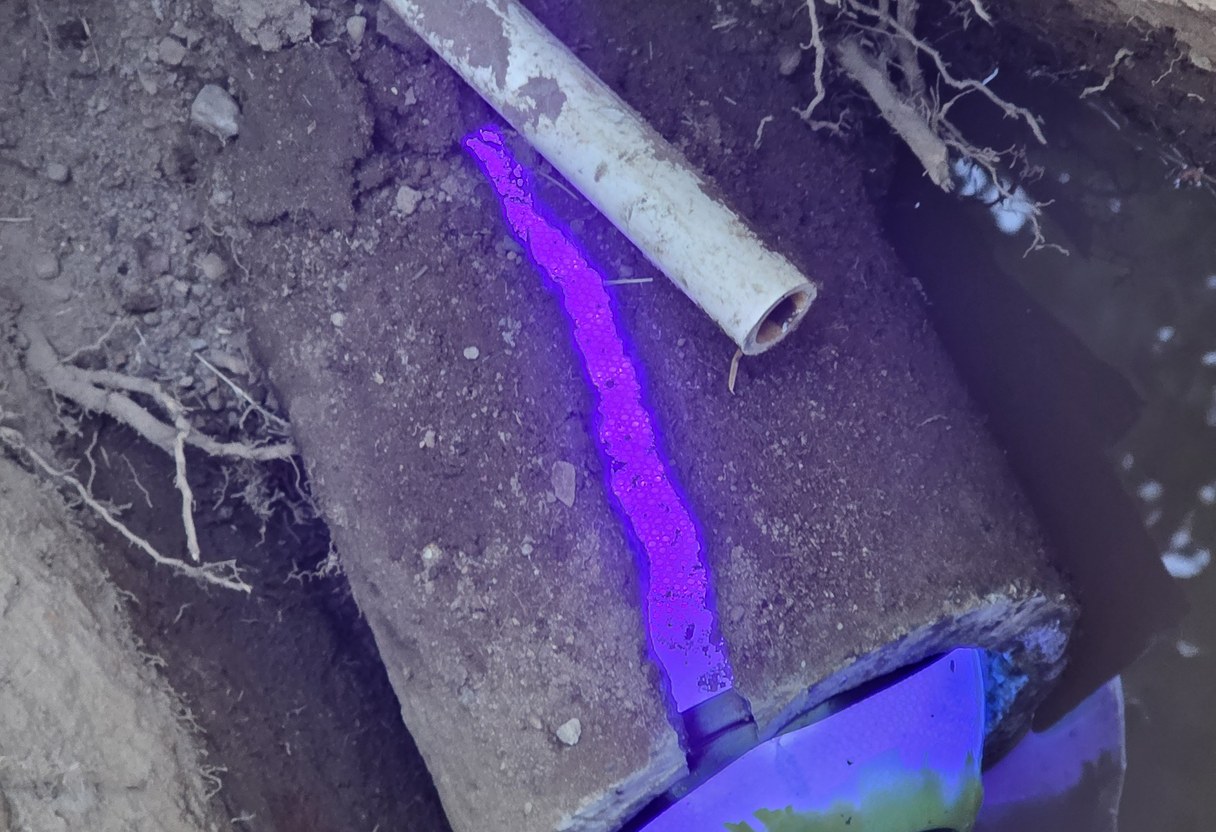
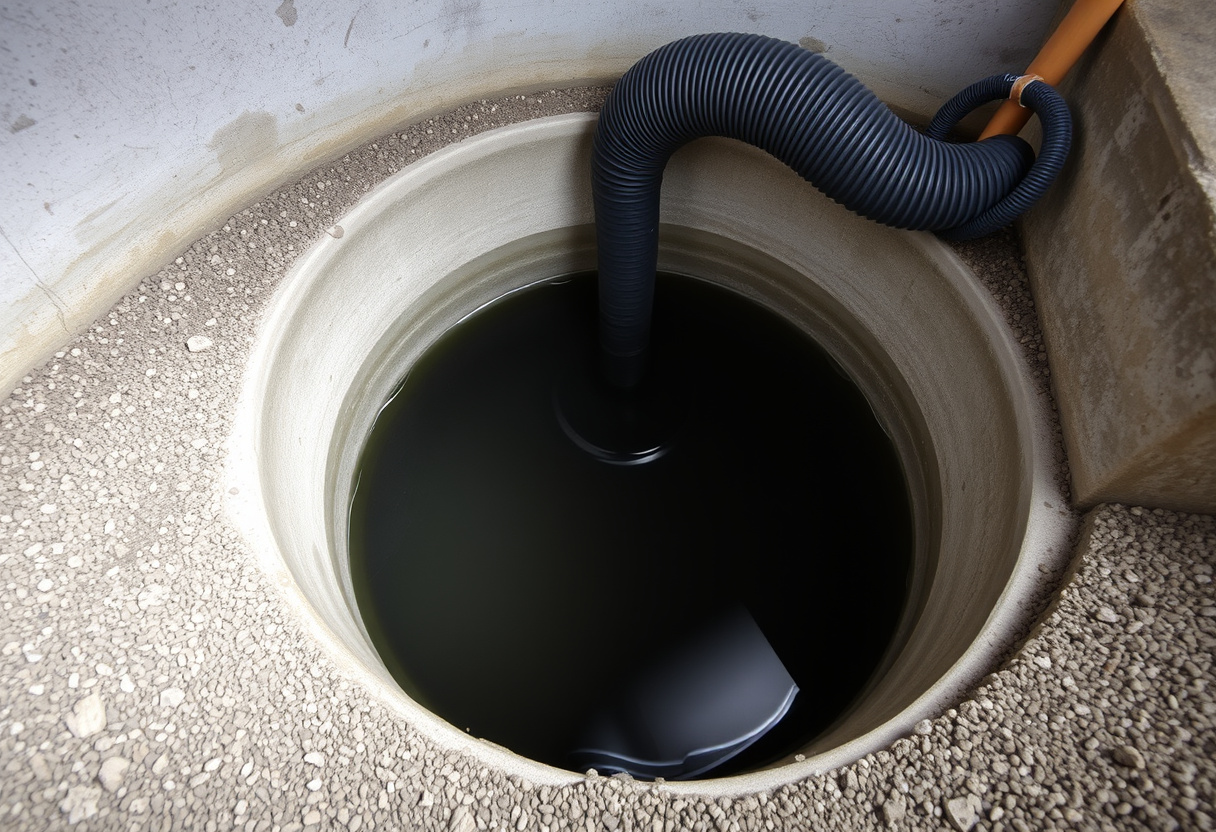
Here is the part that is genuinely useful, and nobody else writing about plumbing in this city bothers with it. WMC 13.04.040 sets out the non-stormwater discharges the city allows into its storm drains, and “water from foundation/footing drains” is on that list, along with uncontaminated groundwater infiltration and air conditioning condensation. So a properly run footing drain or a sump discharge is not a grey area here. It is written down as permitted.
Sump pump repair and replacement, sized to the pit and the water it actually sees
French drain and footing drain work where the ground keeps winning
Re-routing a discharge that somebody tied into the wrong system years ago
Checking the check valve and the float before condemning the pump — it is often the cheap part
Working out whether that crawlspace water is normal or a supply leak
What we will not do is hook a fixture drain into a storm line to save a trench. 13.04.030 is a short, blunt chapter — nothing but stormwater — and the list of what it prohibits reads like a catalogue of shortcuts: sewage and animal wastes, grease and fuel oil, food wastes and processing waste, paints and solvents, concrete and silt. One of those shortcuts is a gross misdemeanor. The trench is cheaper.
The City names its own neighbourhoods, and the names tell you the terrain: Upper West Ridge, Lower West Ridge, Woodinville Heights, East and West Wellington up top, North Industrial and the Sammamish River valley down at the bottom. A ridge house and a valley-floor house are two different installs — the carry, the clearance, the venting run and where the pan can actually drain to all change.
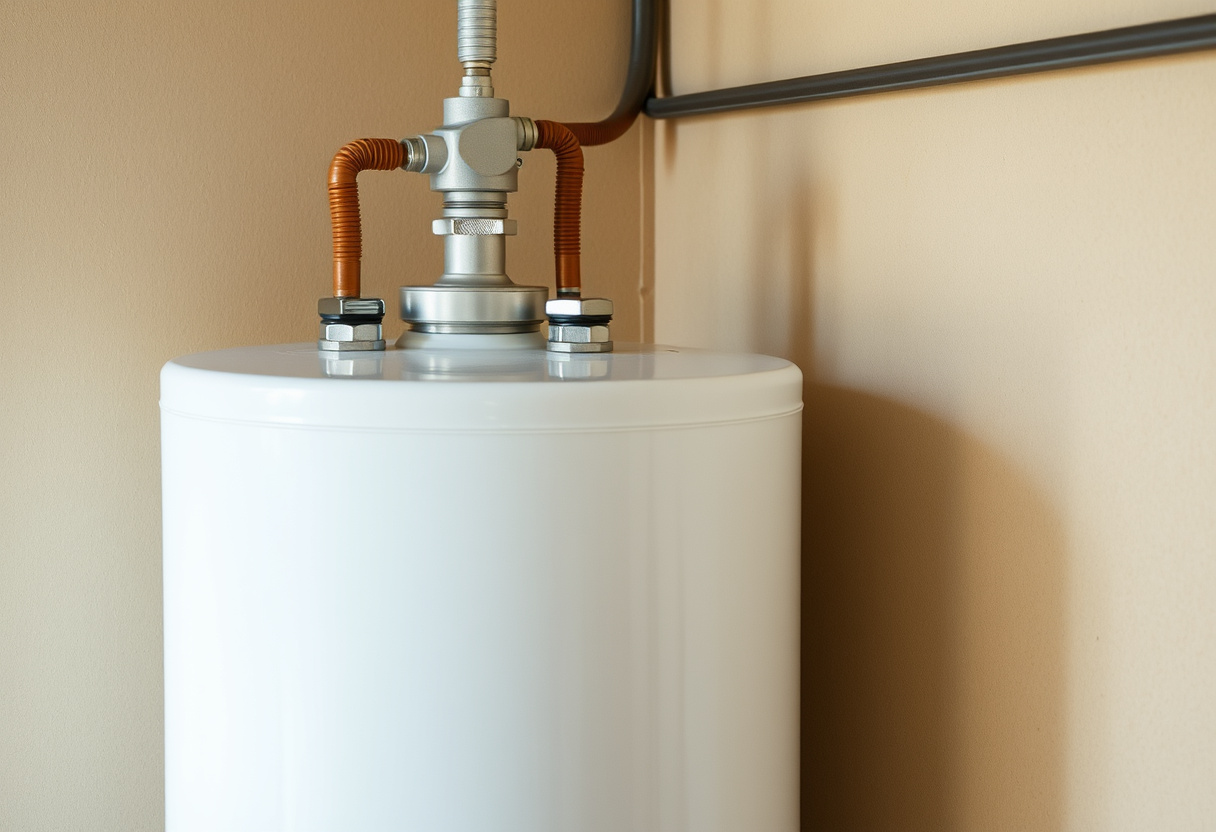
Tank water heater installation sized to the house and the household, not to the invoice
On-demand water heating where the gas supply and the venting genuinely support it
Repair or replace — the honest version of that conversation
No hot water, or not enough of it, diagnosed before anything is quoted
Garage and crawlspace swaps on the ridge are their own sport. Low clearance, a long carry from the hatch and a pan that has to drain somewhere legal — which, back to the top of this page, is not automatically the nearest storm line. We would rather spend ten minutes working out the condensate and pan route than hand you a tidy install that quietly breaks a code chapter.
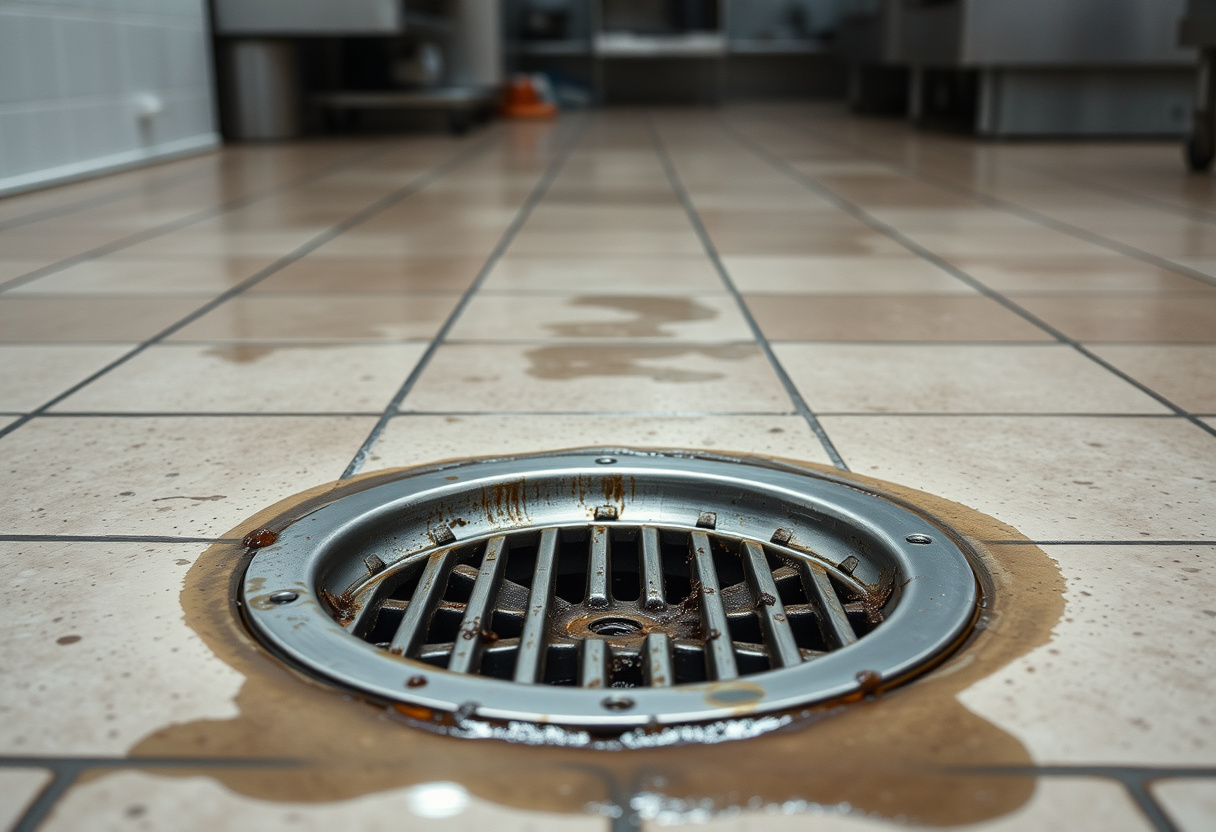
This is not only a town of houses. The City counts “over 100 wineries and tasting rooms” across the Hollywood District, the Warehouse District, the West Valley District and Downtown, with Chateau Ste. Michelle anchoring the lot. That is a dense band of commercial kitchens, bar sinks, floor drains and wash-down in buildings that were not all designed for it.
King County’s Industrial Waste Program is explicit that it regulates food and beverage manufacturers “including dairy, meat, bakeries, ice cream, breweries, and wineries” that discharge to the county sewer system. And the storm side has history here: a Department of Ecology report documented local winery wastes — “juice, stems, seeds, skins, yeast” — going “down the storm drain in the parking lot,” and recommended “discharge to the sanitary sewer and compost solids” instead.
Drain cleaning for kitchen lines that have been grease-loaded for years
Jetting to actually scour the pipe wall, not just punch a hole through
Commercial plumbing for tasting rooms, production space and warehouse units
Disposals and the sink lines downstream of them
Why jetting and snaking are not the same job
Water service across the whole city comes from Woodinville Water District, and the run from their meter to your house is the stretch that quietly costs people money. On the bigger lots up the ridge that run can be long, and a weeping joint out in the middle of it does not show up as a puddle. It shows up as a bill.
Acoustic and pressure leak location on supply lines before anyone digs
Whole-house repipes and service line renewal from the meter in
A main water line leaking between the meter and the house
Reading a water bill that jumped for no obvious reason
Finding your main shut-off before you need it
The rest of the work here is ordinary and far more common than any of the above. A toilet that runs all night. A shower valve that will not hold temperature. A kitchen faucet dripping into the cabinet. We do toilet repair and replacement, shower and tub valves, faucets and shut-offs — and most of it is a one-visit job when somebody looks at it before it floods something. There is financing available if a repair turns into a replacement.
Inside the home it is mostly bathroom plumbing and kitchen work: a toilet that will not stop, a shower valve that has given up, a tap that drips into the cabinet below. Those repairs are the bread and butter of any plumbing service, and most are a one-visit job. We also run camera inspections before quoting a buried run, because a pipe repair priced off a guess helps nobody — an inspection costs a great deal less than digging the wrong trench. Leak repair, fixture installation, water heater work: the same plumbers do all of it, and the same warranty covers the lot. If a home needs several small repairs at once we would rather bundle them into one visit than bill you three times.
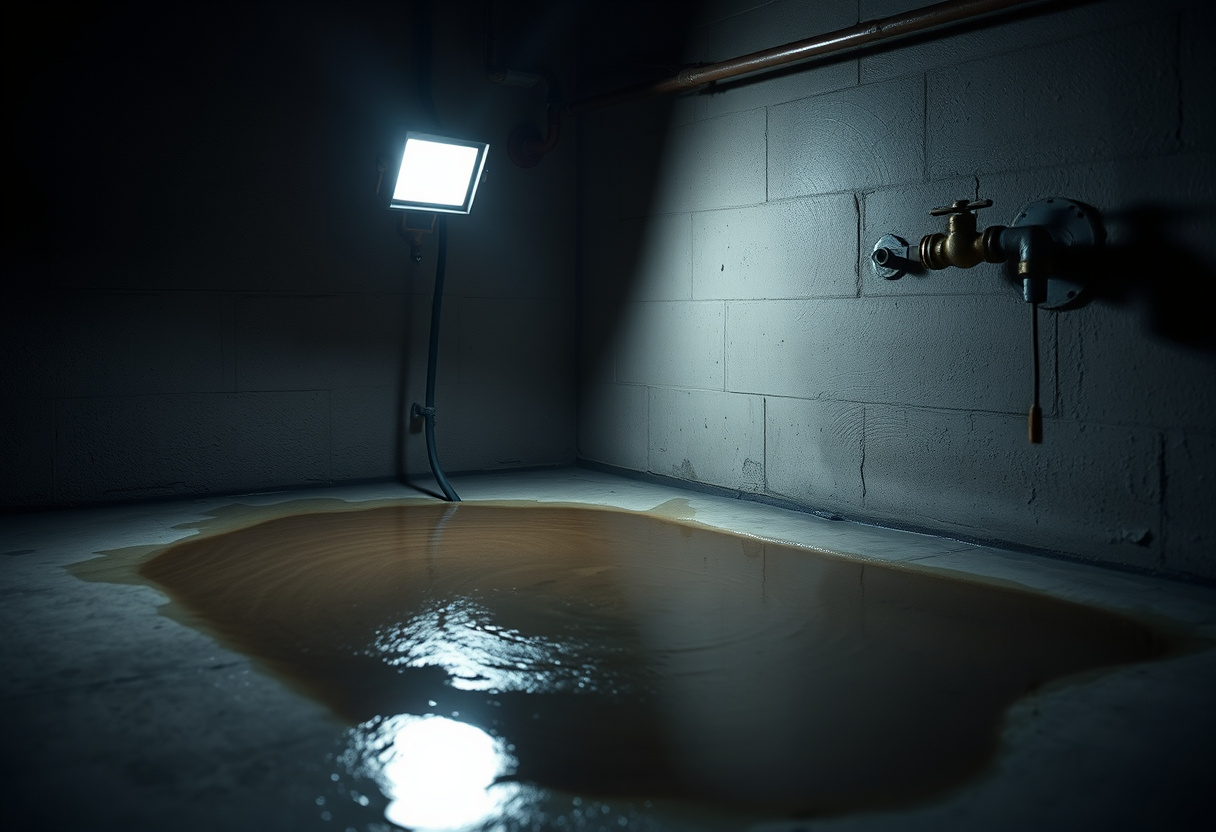
State Route 202 is the only state highway inside the city limits, and it threads the valley past the warehouse units and the tasting rooms. A two o’clock call off it is either somebody’s house or somebody’s business taking on water, and both need the same thing: the main shut off, the source found and the damage stopped before anything else gets decided.
We are on call 24 hours a day for emergency plumbing. If it is actively running, shut the main first, then call. Our 24-hour line is answered by the same company that will turn up.
Most local plumbing here is unglamorous. A plumbing repair booked in the morning. A drain cleaning that should have happened a year earlier. A call to emergency plumbers at two in the morning when something lets go and nobody can find the stop. None of that service work is complicated once you know which district serves the address and which pipe you are looking at — which is the whole point of this page.
The city covers 5.65 square miles north-east of Kirkland and north of Redmond, with State Route 202 running through it and the Sammamish River marking part of the eastern edge. The City’s own neighbourhood names are the ones we use, because they are the ones that describe the ground.
124th Avenue NE, 170th Avenue NE, NE 145th Street and NE Woodinville-Duvall Road box most of it in, and there are 100.84 acres of city parks inside those lines. Woodinville High School, Leota Middle School and Wellington Elementary all sit in the city, under the Northshore School District. We work the neighbouring cities too — Redmond along the south boundary and Kirkland south-west of that — and the whole service area runs back to Everett, where we are based. Here is everything we handle.
The district provides water throughout the city, and the City’s own utilities page notes that “a portion of the City also receives sewer services” from the district — a portion, not all of it. The district is a separate local government formed under Title 57 of the Revised Code of Washington. Where no public connection exists, septic is reviewed and approved by Public Health — Seattle & King County. We check which situation an address is in before we quote anything.
Woodinville Municipal Code 13.04.040 lists the non-stormwater discharges the city allows into its storm drainage system, and “water from foundation/footing drains” is named on it, along with uncontaminated groundwater infiltration and air conditioning condensation. So that discharge is permitted by the code. What is not permitted is anything else — 13.04.030 prohibits discharging materials other than stormwater into that system.
WMC 13.04.080(4) is blunt about it: “A violation of this chapter is a gross misdemeanor. Any person convicted of violating the provisions of this chapter shall be subject to a fine of up to $5,000 or jail time not exceeding one year or both for each and every violation.” That is the codified maximum, and it is the reason we will not tee a fixture drain into a storm line to shorten a trench.
At King County’s Brightwater Treatment Plant, which is inside the city at 22505 State Route 9 S.E., Woodinville WA 98072. It began operating in 2011, can process over 45 million gallons a day against an average flow of around 20 million, and serves around 300,000 people and businesses across north King and south Snohomish counties. Most people driving past it have no idea what it is.
Yes. The City requires “certificates of available water and sewer services from Woodinville Water District prior to submitting a development permit to the City.” So the district’s paperwork comes before the city’s. If no public connection is available, the septic application goes to Public Health — Seattle & King County instead.
We do. King County’s Industrial Waste Program states it regulates food and beverage manufacturers “including dairy, meat, bakeries, ice cream, breweries, and wineries” discharging to the county sewer system, and a Department of Ecology report documented Woodinville winery wastes going down a parking-lot storm drain, recommending “discharge to the sanitary sewer and compost solids” instead. Grease-loaded kitchen lines, bar sinks, floor drains and wash-down are all ordinary work for us.
One district for water, that district for sewer in only part of the city, septic under the county health department everywhere else, and a storm side that the code will let you use for footing water and almost nothing else. That is the whole picture here in four lines. We would rather tell you which of those applies to your address than guess and dig. Call (425) 374-1557, or send us the details and a photo. 673 reviews say how that usually goes.
Licensed · Bonded · Insured · State L&I registered · Established 2009 · One-year parts and labor warranty · On call 24 hours