
11015 Airport Road Everett, WA 98204
Home » Lake Stevens Plumbing
Most towns let gravity do the work. Waste leaves the house, runs downhill, and arrives at a treatment plant without anybody thinking about it. Lake Stevens does not get that luxury, because the ground here falls toward a lake rather than away from one.
So the waste gets lifted. The Lake Stevens Sewer District runs 33 lift stations across about 145 miles of pipe for roughly 15,200 connections, and all of it ends up at a membrane treatment plant that has been discharging to Ebey Slough since April 2013. That is a lot of machinery for a town this size, and it is the one thing that makes waste line repair here behave differently from plumbing anywhere else in the county.
We do this plumbing most weeks. The failures are not random — they follow the basin.
Water heater work, drain repair, supply line repair, the lot — it all gets shaped by the same geography. The county has plenty of towns where plumbing is plumbing. This is not one of them.
Danika Plumbing & Electric covers the lake out of Everett — side sewers, water heater repair and installation, supply lines, drain cleaning and the rest of the plumbing a house round here throws at you. We pull the District permit rather than leaving it with you.
Here is the bit that catches people out. Waste water here is not a municipal service. Lake Stevens’ own utilities page says it plainly: electric and water come from Snohomish County PUD, and sewer service comes from the Lake Stevens Sewer District — a separate body that has been at it since 1957.
And the District gates the plumbing before it starts. Its own published answers say the side sewer application goes to the District office, that the District takes up to three working days to review it, and that your contractor must already be current on the District’s Registered Contractors List or the permit is not approved. Inspections want 24 hours’ notice. Choosing who digs is the first step, not the last.
Ask the District why every household pays the same flat rate regardless of house size and you get an unusually honest answer: the rate covers deep lakeside pipe sitting below the water table, groundwater getting into the system, winter peaks and weekend spikes. Read that again. The utility is openly budgeting for water that leaks in.
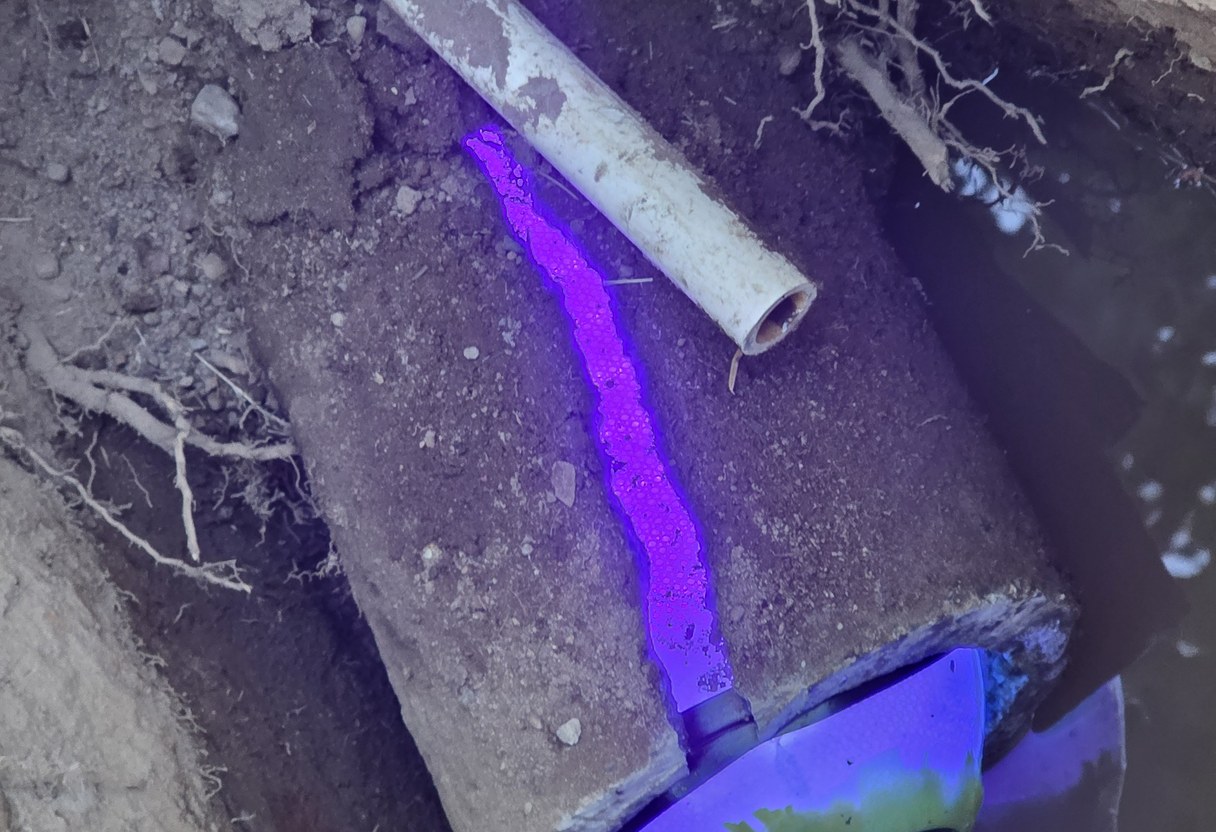
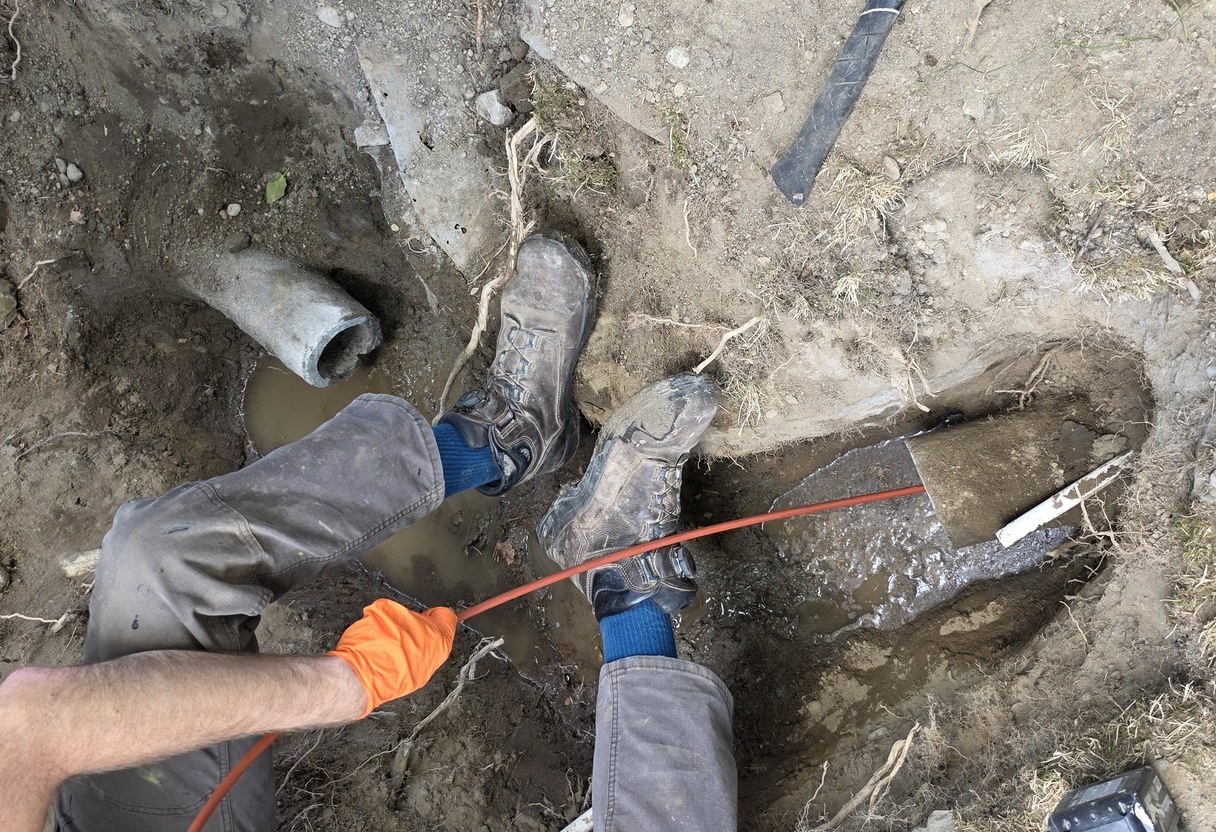
Your own lateral does the same thing. A cracked hub, an open joint, a root that has pushed a seam apart — below the water table those are not slow drips, they are an inlet. The giveaway is a drain that runs fine in August and backs up in November, or a camera survey showing clear water trickling along a pipe in dry weather.
Left alone it gets worse in both directions. The groundwater keeps arriving, the line keeps silting, and what began as a drain repair turns into a replacement. We would rather catch it as the first: a camera, a locate, then a written price for the repair.
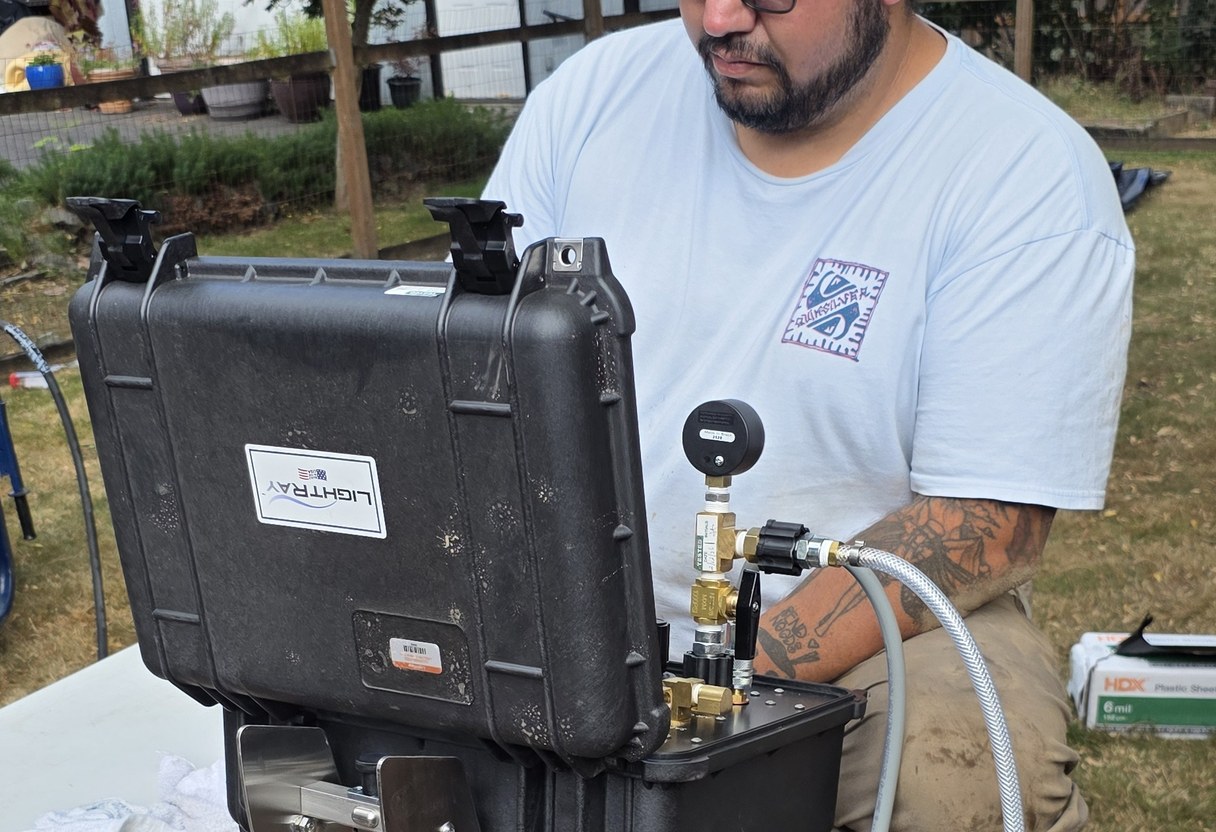
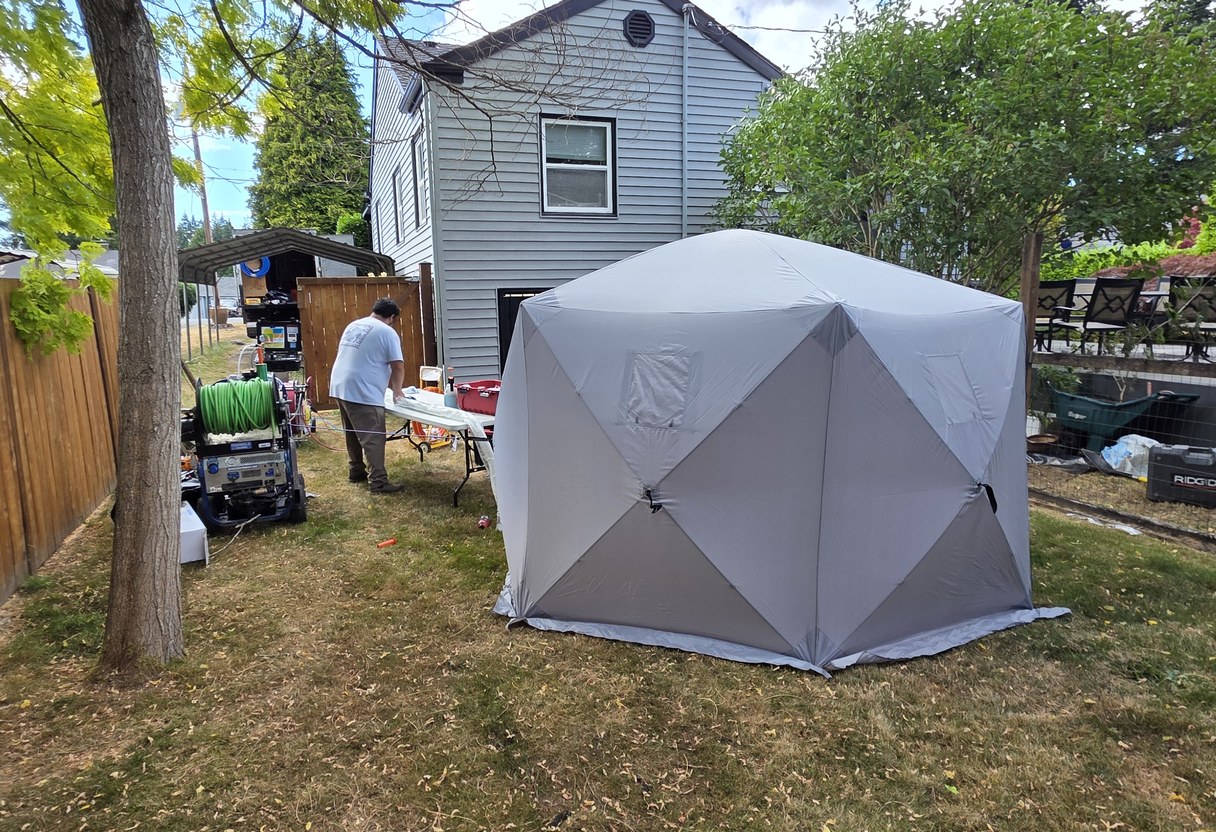
So we scope before we quote, and we scope in the wet months where we can. Locate the run, pick out the joints taking on water, then talk about whether the right answer is a spot pipe repair, a liner, or full sewer line replacement. Root intrusion is the usual culprit on the older runs, and a repair that ignores the roots is a repair you pay for twice.
In a gravity town a wipe is somebody else’s problem eventually. In a basin that lifts its waste mechanically, the same wipe meets an impeller. Grease does the worst of it — it cools in the long flat runs between stations and collects everything that follows it down the drain.
Which is why the drain cleaning we do round the lake skews heavily toward kitchen stacks and laundry branches rather than the hair-and-soap bathroom clog. Cable where cable is right. Hydro jetting where the pipe wall needs to come back to bare metal — and there is a real difference between the two worth understanding before you pay for either.
Most of this is repair rather than replacement, and most of it is one visit. A written price before the work starts, every time.
One honest tip that costs nothing: if a drain has been slowing for a month, say so when you ring. A line that has been limping is a different plumbing job from one that stopped yesterday, and it usually wants a camera down it afterwards rather than before. How often a drain actually needs cleaning is a fair question too.
Lake Stevens incorporated in November 1960 and spent decades as a small place — the Rucker mill that built it burned in 1925 and never reopened. The growth came later, and it came hard: past 31,000 residents by 2016, with 40,000 forecast by 2035.
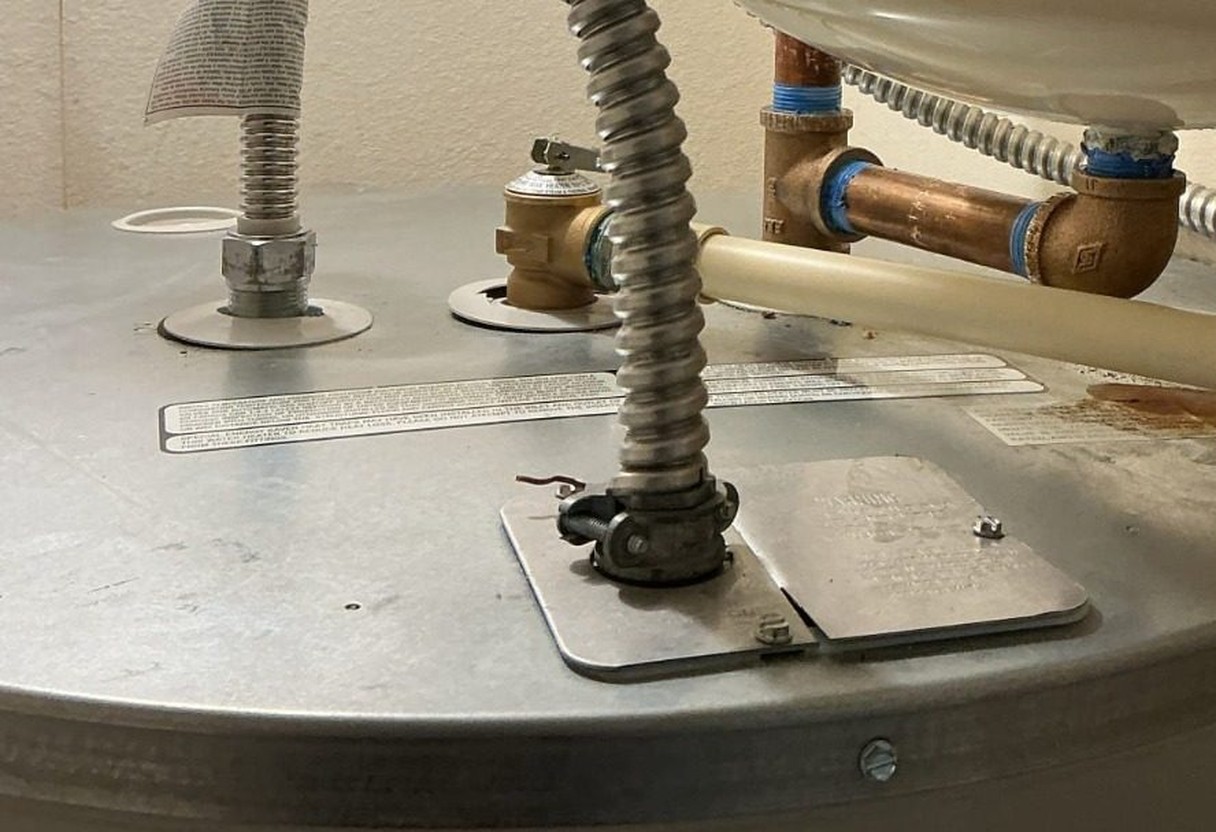
That history sits in the garages. Round the older shoreline plats we still pull 40-gallon tanks on their second or third decade, while the newer subdivisions off the highway are only now reaching their first water heater replacement. Same symptoms either way: a rotten-egg smell, rumbling from sediment, or a steady fade in how long the hot water lasts.
We will tell you when a water heater is worth repairing rather than replacing, and we handle tankless installation where the gas supply and the venting genuinely support one. Where they do not, we say so rather than sell you the upgrade.
Water heater installation round the lake also means thinking about where the water goes when the tank finally lets go. A pan, a drain, and a route out beats a soaked wall every time.
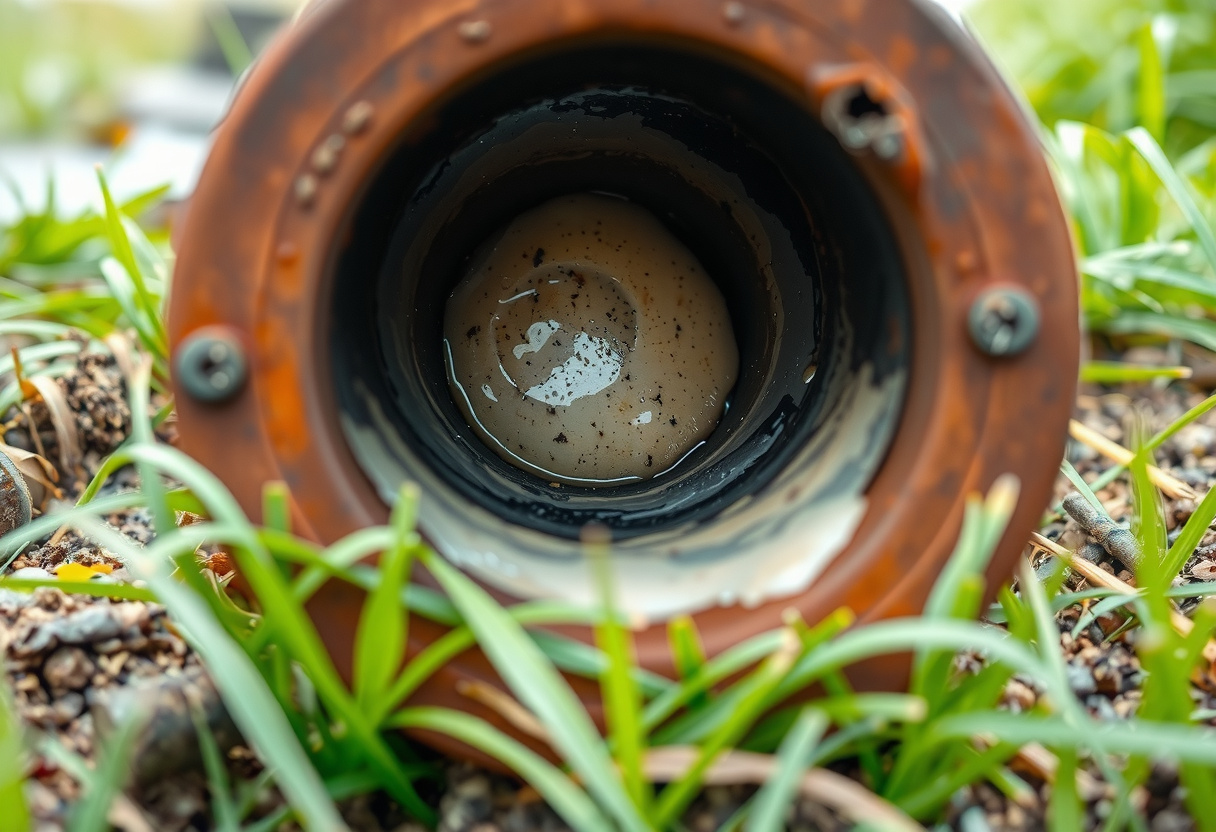
Snohomish County PUD is an unusual utility: it sells you electricity and it also sells you water, across roughly 196 square miles the PUD describes as Lake Stevens, Granite Falls and the rural country between them. Its meter is the rectangular black lid sitting flush with the ground near the road, usually on an easement.
What the PUD will not do is work inside your house, and its own guidance tells you to contact a plumber if you cannot locate the main shutoff. Fair enough. Track it down before you need it — normally where the supply enters, by the laundry hookup, or beside the water heater. Here is how to locate yours, and what a failing supply line looks like before it floods anything. Full repipe work is the last resort, not the first quote, and a sudden drop in water pressure is often a cheaper repair than people fear. Most supply repair we do out here is a single fitting, a single joint, and a day.
Through 2026 the District is rehabilitating mains that have reached the end of their service life using cured-in-place lining — a resin-saturated sleeve pulled through the old pipe and cured with ultraviolet light to form a seamless inner wall. Its own material puts the added life at 50 to 70 years, and its contractor gives at least three days’ notice before work starts in your street.
It is a useful reminder that the pipe under your lawn is the same age as the pipe under the road, and nobody is lining yours for you. Much of the shoreline run went in under utility local improvement district 1 in 1971, and ULID 3 closed the ring round the perimeter in 1980. That is fifty-year-old pipe, and replacement is a question of when rather than whether.
Which is why we lean hard on locating the leak before anybody opens ground, and why the early signs are worth knowing. A trench you did not need is the most expensive hole in plumbing. Water standing in a crawl space is usually the first thing anybody notices. From there it is a short step to working out whether you are looking at a drain repair, a water service repair, or nothing at all.
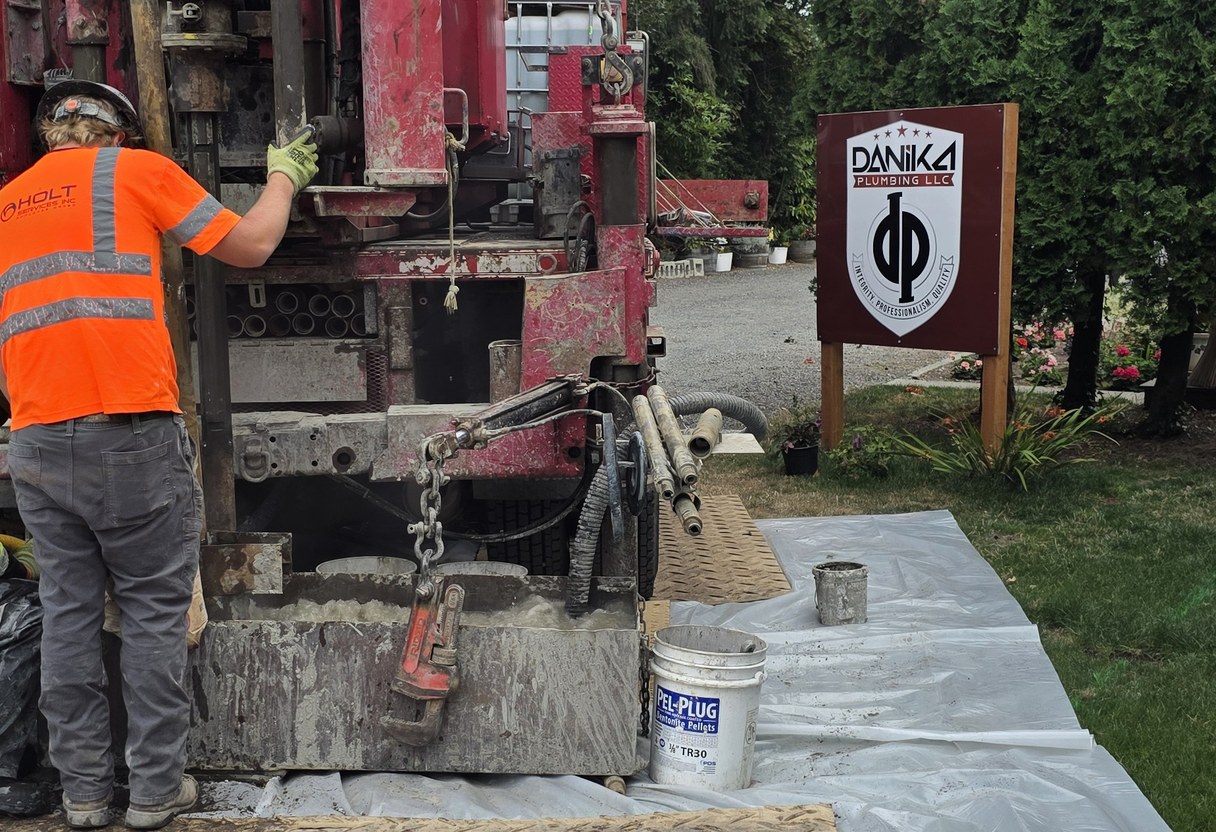
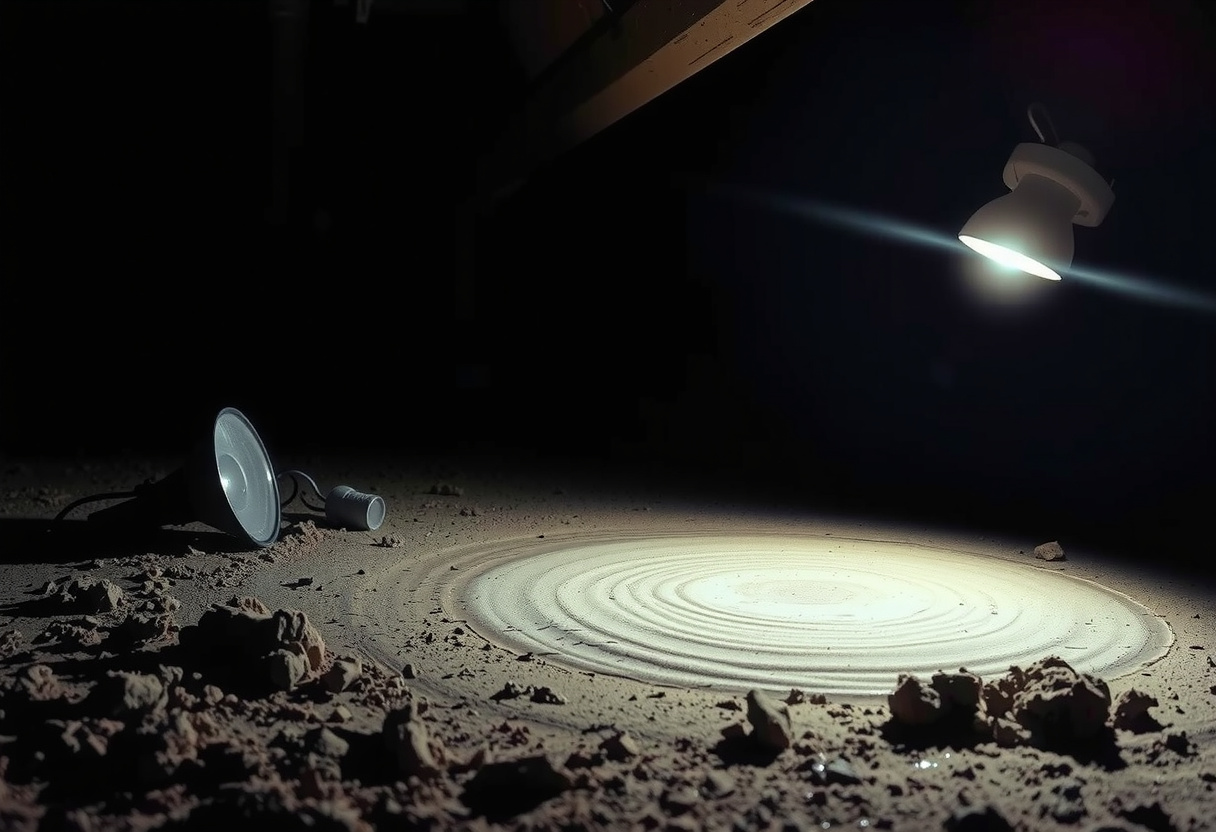
The District takes emergency calls round the clock, and that is the call to make if the trouble looks like it is in the main. But if the blockage sits on your side of the connection, it is yours — and a finished basement does not wait for a review window.
We are on call 24 hours a day for backups, burst pipes in a cold snap, failed sump installation in a wet winter, and the rest of it. Shut the water off, keep everybody off the drains, and ring us. Emergency repair work is still repair work — we will tell you on the night what is a patch and what is a replacement.
We cover the whole lake and the country round it. The lake itself is the largest and deepest in the county — about 1,000 acres, roughly 150 feet down at its deepest, around eight miles of shoreline, fed by Stevens, Lundeen, Kokanee and Stitch creeks and draining out through Catherine Creek to the Pilchuck River.
We are over the hill in Everett, so the run out is short. Neighbouring plumbing sits on our Marysville and Monroe pages, everything Everett is on the home page, and the full county coverage list lives on the service area page. Lake Stevens plumbing, county rates, one number.
Side sewers, drains, water heater installation, supply lines and the midnight call. We pull the permit, we meet the inspector, and we hand back a line that is not taking on groundwater. If you would rather spread the cost there is financing, and you can read what people say or get in touch.
Licensed · Bonded · Insured · Washington State L&I registered · One-year parts and labor warranty · (425) 374-1557