Some plumbing problems can wait. These can’t. Each of the seven situations below either compounds quickly into structural damage, creates safety risk, or hits a threshold where homeowner’s insurance might stop covering the eventual repair. Triage is the whole game with plumbing — knowing what to handle tonight versus what to schedule for next week.
The Seven Don’t-Wait Situations
- Active water leak anywhere visible. A dripping pipe, a wet spot on the ceiling, water around the water heater base. The cost of waiting compounds by the hour — drywall, framing, flooring, mold. Shut off the supply to that branch (or the whole house if you can’t isolate) and call.
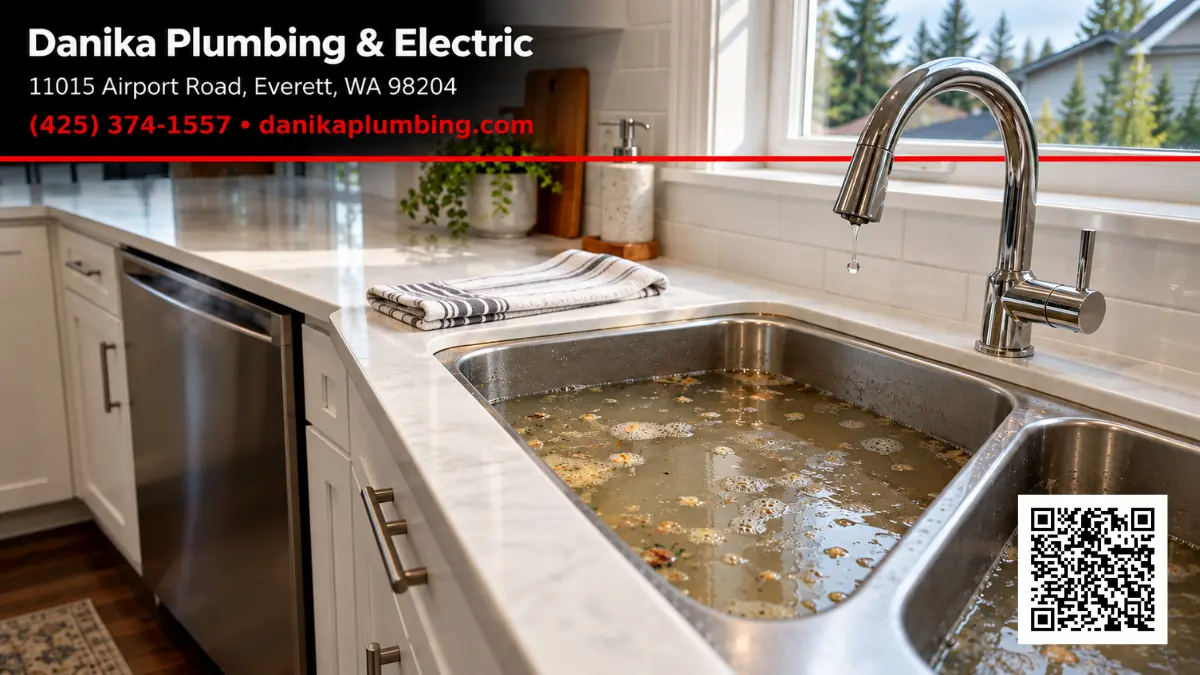
- Sewage backing up into the house. Toilet overflowing sewage, basement floor drain bubbling, multiple drains gurgling and slow. The lateral or main is failing. Stop running water in the house and call.
- No water in the whole house. Not a single fixture. Could be main shutoff issue, pressure-reducing valve failure, or a service line break. Don’t wait through the night.
- Gas smell anywhere near gas appliances or lines. Leave the house, call the gas utility from outside, then a plumber for the line repair. Never investigate gas leaks with an open flame or electrical sparks.
- Water heater leaking water or visibly damaged. A tank that’s seeping at the base will fail catastrophically within hours or days. Same goes for visible corrosion at the fittings or any rust staining below the unit.
- Frozen pipes in cold weather. Ice expanding inside a pipe causes pressure that ruptures the line. By the time you notice no flow, you may already have a leak waiting to start when the pipe thaws. Don’t wait for warmth — manage actively. Our winter plumbing tips cover prevention and active response.
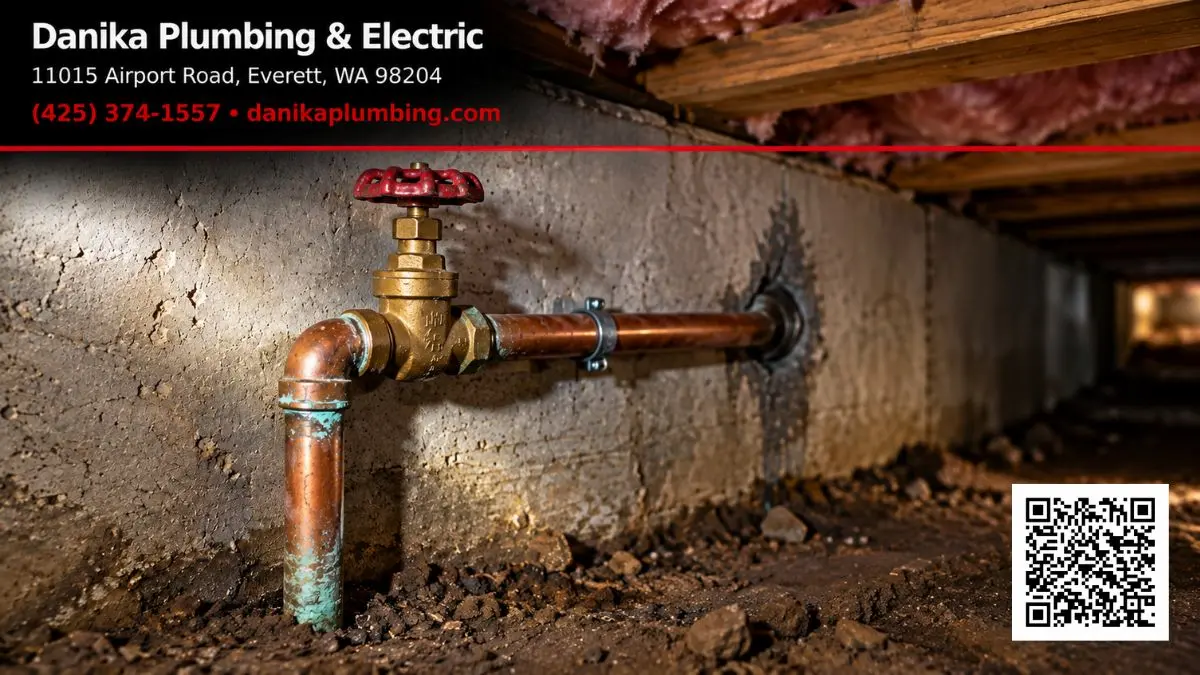
- Burst pipe or fitting failure. Self-evident. Find the main shutoff, close it, then call. Knowing where the main shutoff is BEFORE this happens is one of those things every homeowner should verify on day one in a new house.
What Counts as “This Week” Instead of “Tonight”
Slow drains that haven’t fully backed up. Running toilets. Dripping faucets. Water heater that’s getting toward end of life but still working. Low water pressure that’s been low for months. Slight discoloration in hot water only. These are all real issues — they cost money in wasted water, energy, and eventual repair — but they’re scheduling work, not emergencies. Same-week service is appropriate, you can shop quotes, and the problem isn’t getting dramatically worse in 24 hours.
Our guide on when you actually need a plumber walks the threshold between these tiers more carefully. Most homeowners can save real money by knowing the difference between “call now” and “call when convenient.”
One Pattern Worth Knowing About Everett Homes Specifically
The 1950s–80s housing stock in Everett (Riverside, Pinehurst, Northwest Everett) has plumbing that’s typically aged past its design life on at least one system. We see four-issue weeks at the same address in older homes — drain backs up, then water heater fails, then a supply line starts leaking — because multiple systems are aging in parallel. If your home is in that vintage and one issue triggers, take a look at the others before they trigger too — water heater, supply lines, drain laterals, and shutoff valves all worth a 30-minute walkthrough while you’ve already got a plumber out for the first issue.
When to Skip the Wait
Any of the seven situations above. We run around-the-clock plumbing help for exactly these scenarios — same-day, sometimes within the hour for actively damaging situations. Or reach a plumber serving Everett and Snohomish County directly. Knowing the number before you need it is half the battle.