
11015 Airport Road Everett, WA 98204
Home » Issaquah Plumbing Services
More than half of the drinking water here is pumped out of the ground directly beneath the city. Four production wells sit on the valley floor, close to downtown — two of them a hundred feet deep, one two hundred, one four hundred. Up on the hill it’s a different story: Issaquah Highlands, Talus, Montreux and the Lakemont area drink purchased Cascade Water Alliance water instead.
That split explains a lot. It explains how the city writes its buried-line rules, why a failing septic tank near a main becomes the city’s business, and why the water sitting in your heater on Front Street behaves differently from the water in a tank three hundred feet up the ridge.
We’re a plumbing outfit based in Everett, and we’ve been working addresses across King County long enough to check which system feeds a house before we quote anything. Good plumbing service in Issaquah, WA starts with that one question. Everett is home, but the drive down I-90 is a short one.
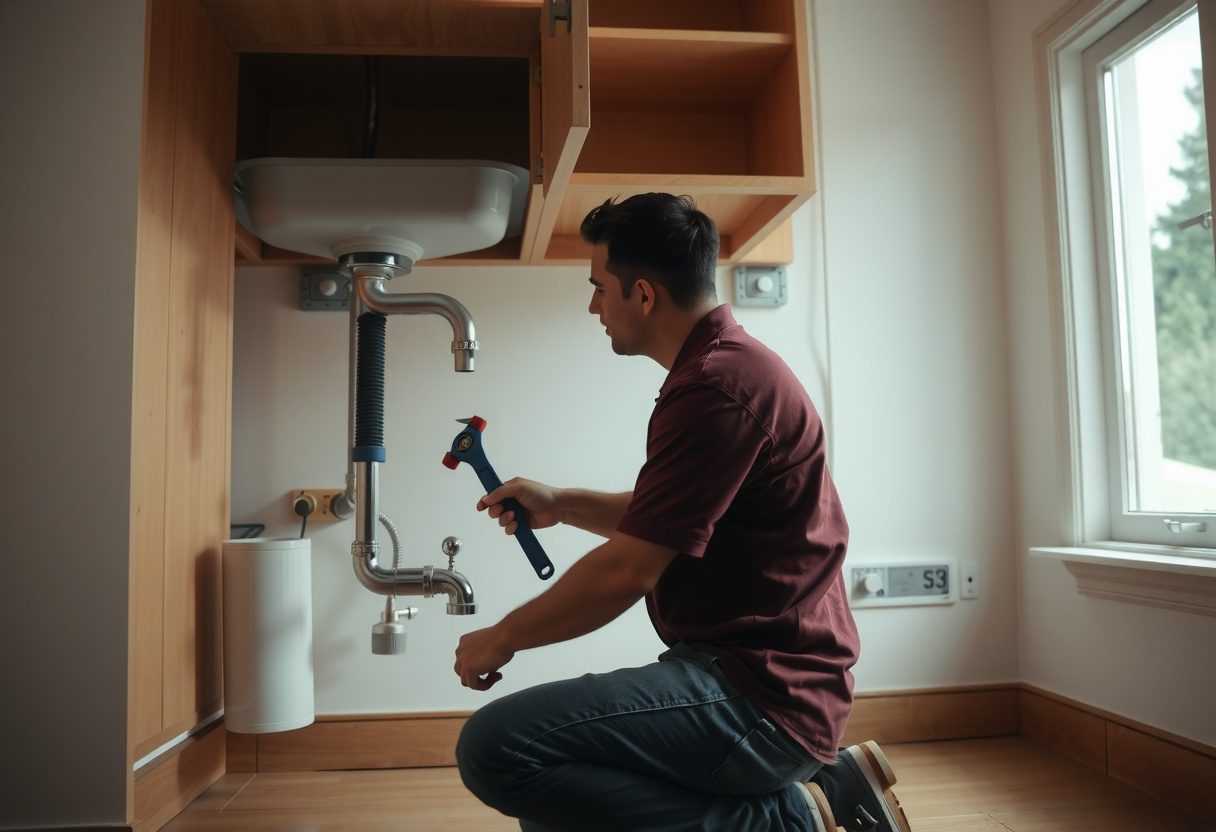
Not sure whether your address runs on city wells or Cascade water? We’ll work it out before we touch a fitting. Call (425) 374-1557 or send us the details.
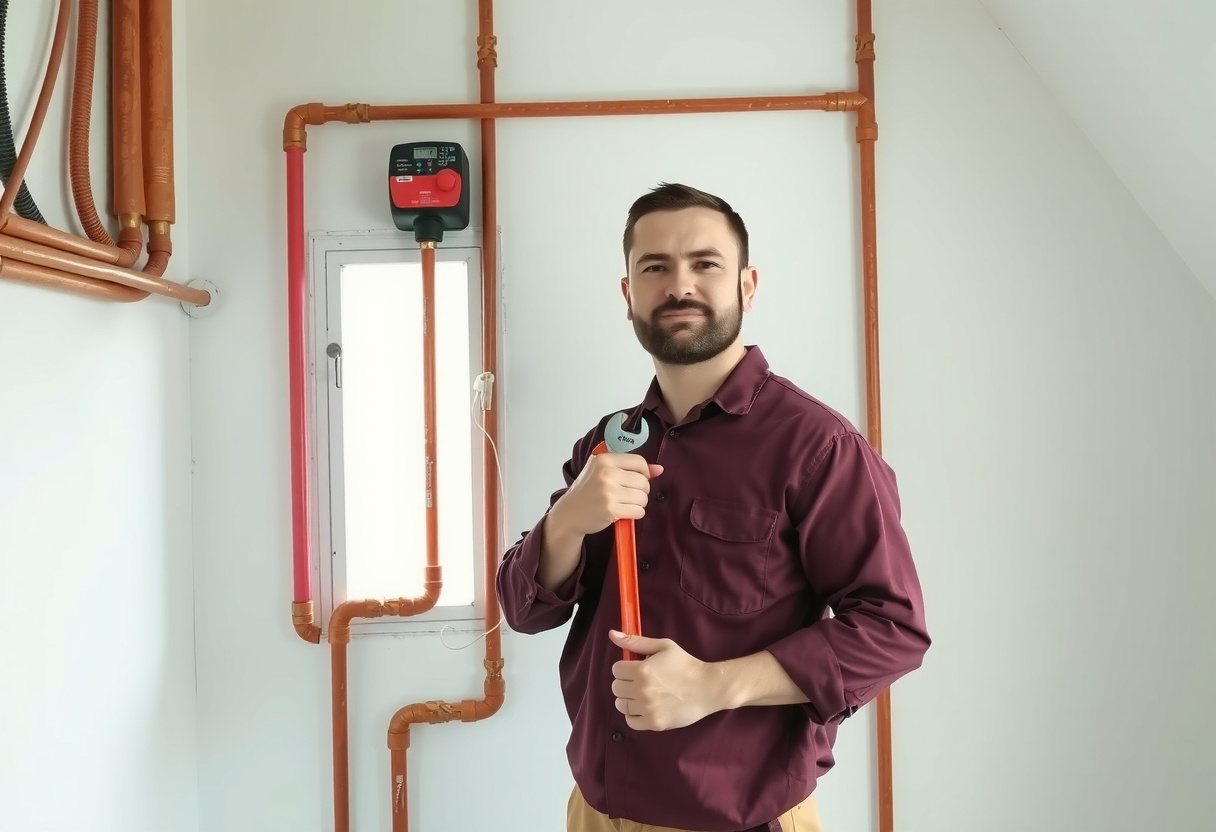
The water system here is not one tidy thing. The city describes fourteen operating areas separated by topography and elevation, fed by twenty-two reservoirs on thirteen sites holding 13.7 million gallons between them, with part of the supply wheeled in through Bellevue’s service area. The northeast corner of town isn’t even on city water — a separate district covers that ground (see the questions below).
Plenty of plumbing contractors never look at any of that. We do, because it changes the answer. A pressure complaint in Olde Town and the same complaint in Talus usually have nothing in common except the words the homeowner used on the phone.
We take on residential plumbing and commercial plumber work both, and we run an emergency service around the clock. Have a look at what customers have said or who you’re actually hiring.
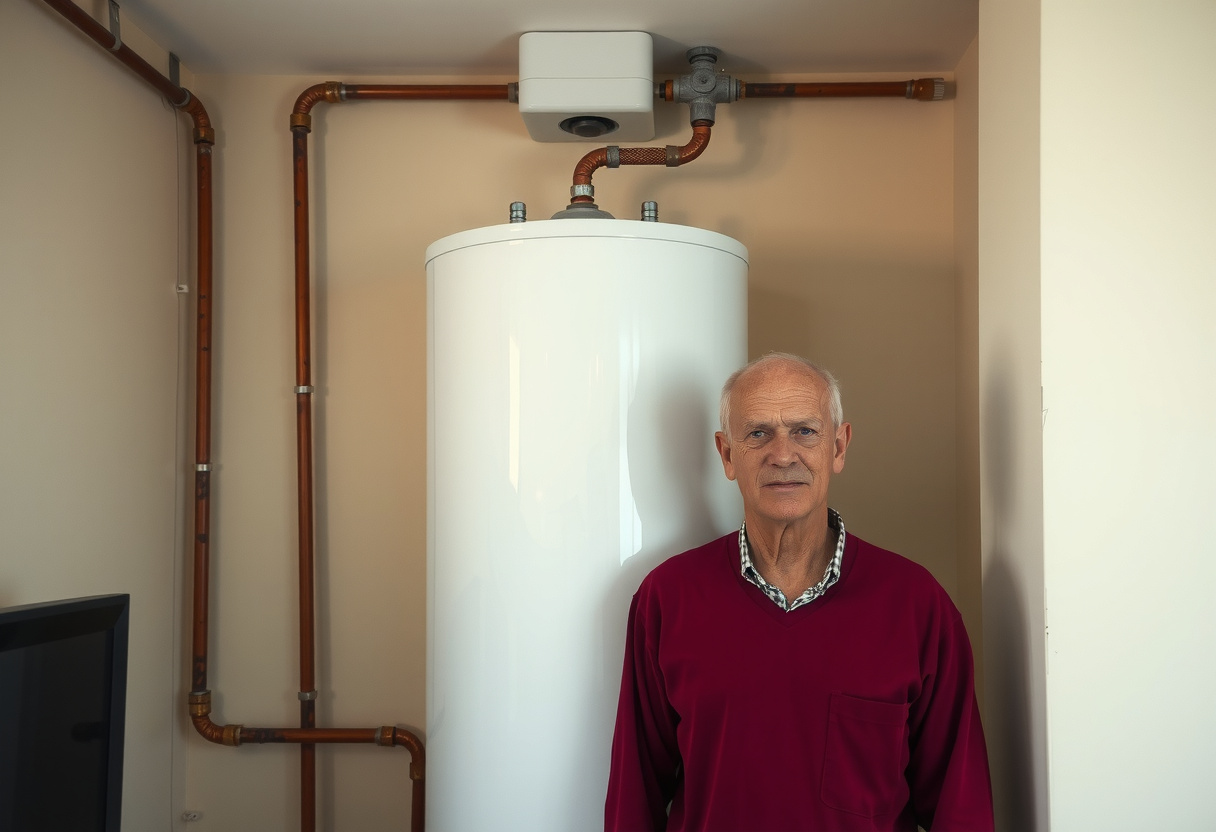
Groundwater and surface water are not interchangeable once they’re sitting in a tank at 120 degrees. Well water picks up whatever the aquifer hands it on the way up; the Cascade supply feeding the Highlands and Talus arrives having taken an entirely different route. Same brand of unit, two different service lives — and two different reasons for the noise people call us about. Water heaters are the single most common thing we’re asked to look at in Issaquah, WA.
We’d rather flush a water heater than sell you a new one. A water heater that is only noisy is not a water heater that is finished. But there’s a point where the arithmetic stops working, and we’ll say so plainly — here’s what we look for. More on tank work and tankless water heating.
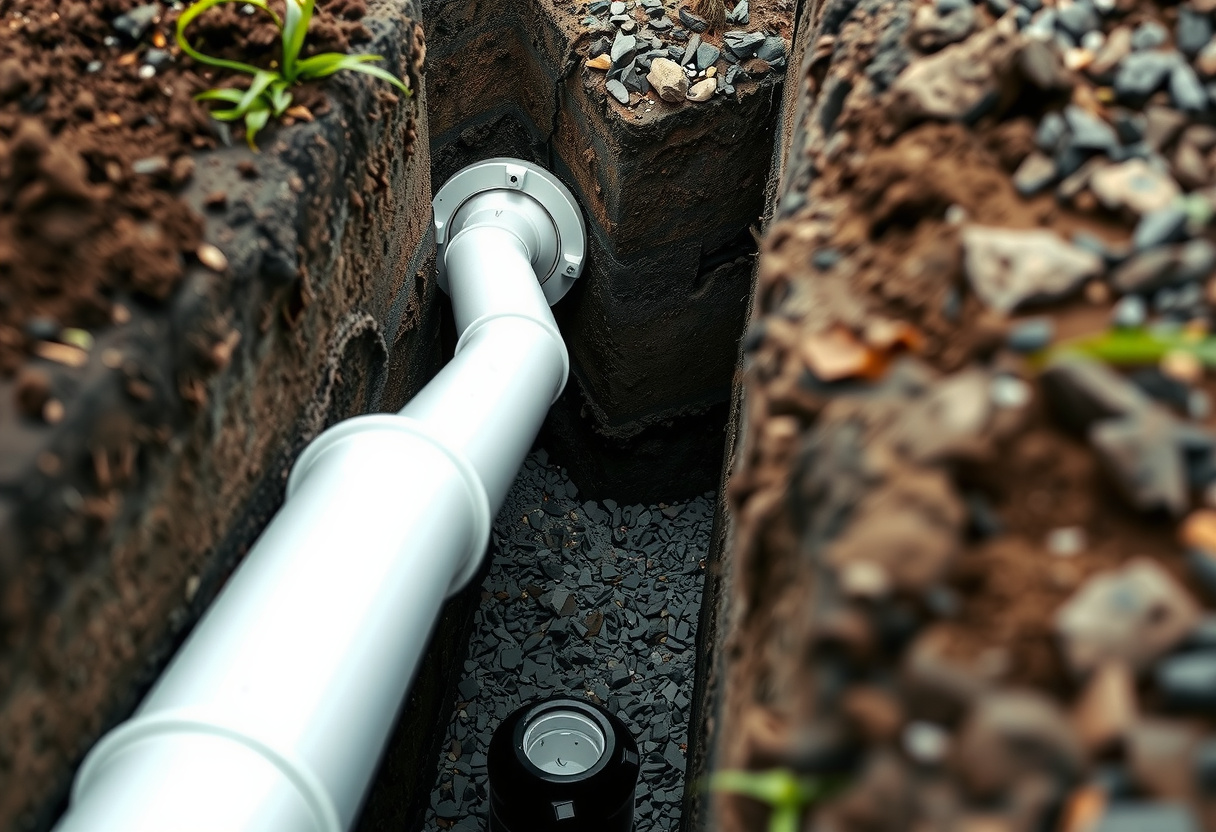
This one catches people out, and it’s worth knowing before a letter lands in the mailbox. Under Issaquah Municipal Code 13.32.030, properties with private septic systems that sit close to an existing main have to submit paperwork to the city every three years showing the system still works. The city mails the reminder. Missing it can end in code enforcement and a penalty.
And if the system fails, the choice is made for you. The city’s wording is blunt: a system is non-functioning if sewage is surfacing on the ground and routine maintenance can’t fix it — and then you are required to connect to the public system.
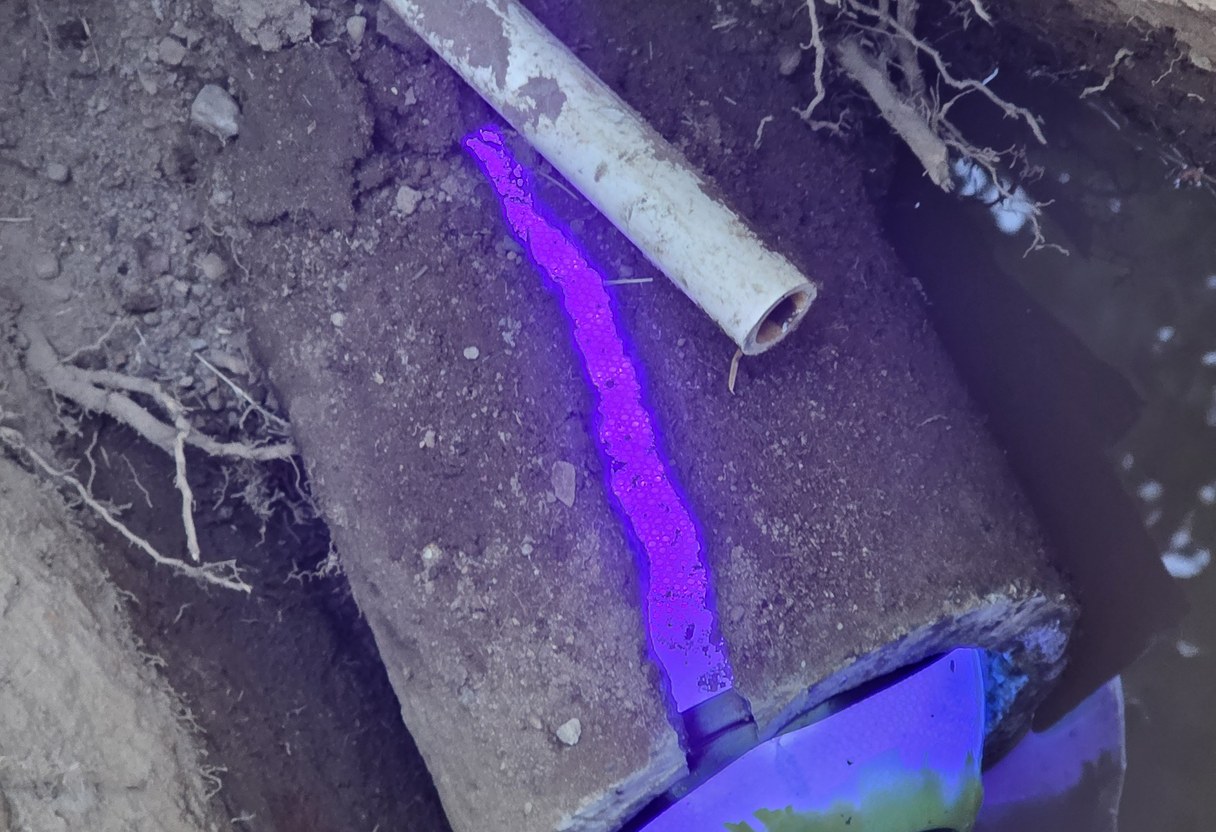
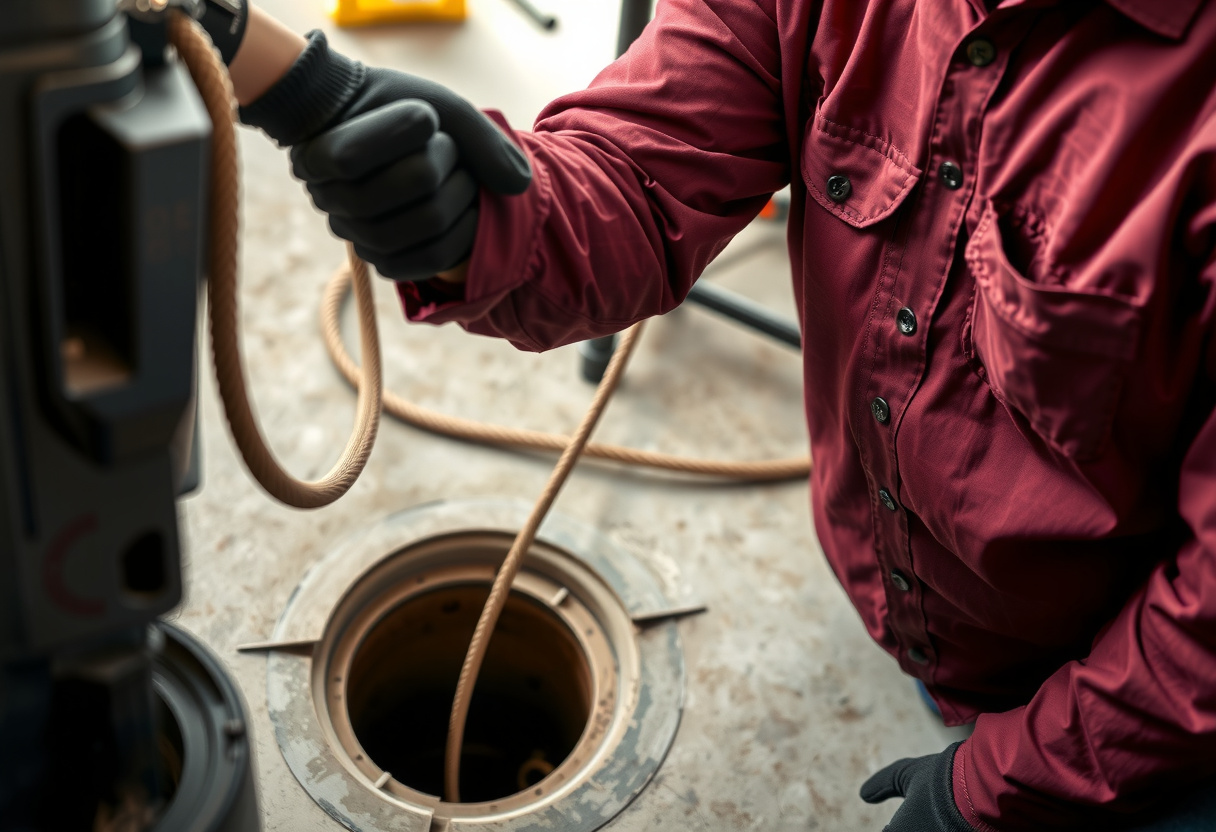
We’ve pulled more than a few of these conversions out of long grass at the back of a property. It’s rarely the plumbing that’s complicated — it’s the route. See how we approach buried line repairs and trenchless options.
The city puts it about as plainly as a municipality ever does: the line connecting a building to the main in the street belongs to the owner, and the city looks after the mains in the rights-of-way. Everything from your wall out to that connection is yours to maintain and repair.
Before any of it is touched, IMC 13.40.020 wants a permit — for construction of a new lateral or any modification of an existing one, on private property or in the right-of-way. The contractor’s copy of that permit has to be on the job and reachable by the inspector.
Then there’s our favourite line in the whole code. IMC 13.48.020 asks for an inspection tee with a riser stopping within eighteen inches of the surface, beyond the public way and within five feet of a residential property line, capped with a mechanical compression plug — and a piece of metal the size of an automobile brake drum or larger placed above but not touching the plug, so a finder can pick it up later. Somebody who had spent a long afternoon probing a lawn wrote that. We read it before we dig, and we scope for roots while we’re down there.
Those four wells are in the valley floor, close to downtown, and the city regulates the ground above them through its Critical Aquifer Recharge Area ordinance, IMC 13.29. Businesses in the mapped Class 1 and 2 areas keep a hazardous materials inventory on site; anyone storing enough of the stuff files a management plan. It’s a long way of saying this city takes seriously what ends up in the ground.
Which is the argument against the jug of chemical under the sink. It rarely clears the blockage, it’s hard on older plumbing, and around here it’s the wrong thing to be pouring.
Fourteen operating areas separated by topography and elevation is not a phrase you can ignore when somebody rings about water pressure. The city runs from a valley floor to ridge-top urban villages, and the equipment that makes that work — reservoirs, zones, regulators, boosters — is the first thing worth checking. Half the time the problem isn’t the house at all. The other half, it is.
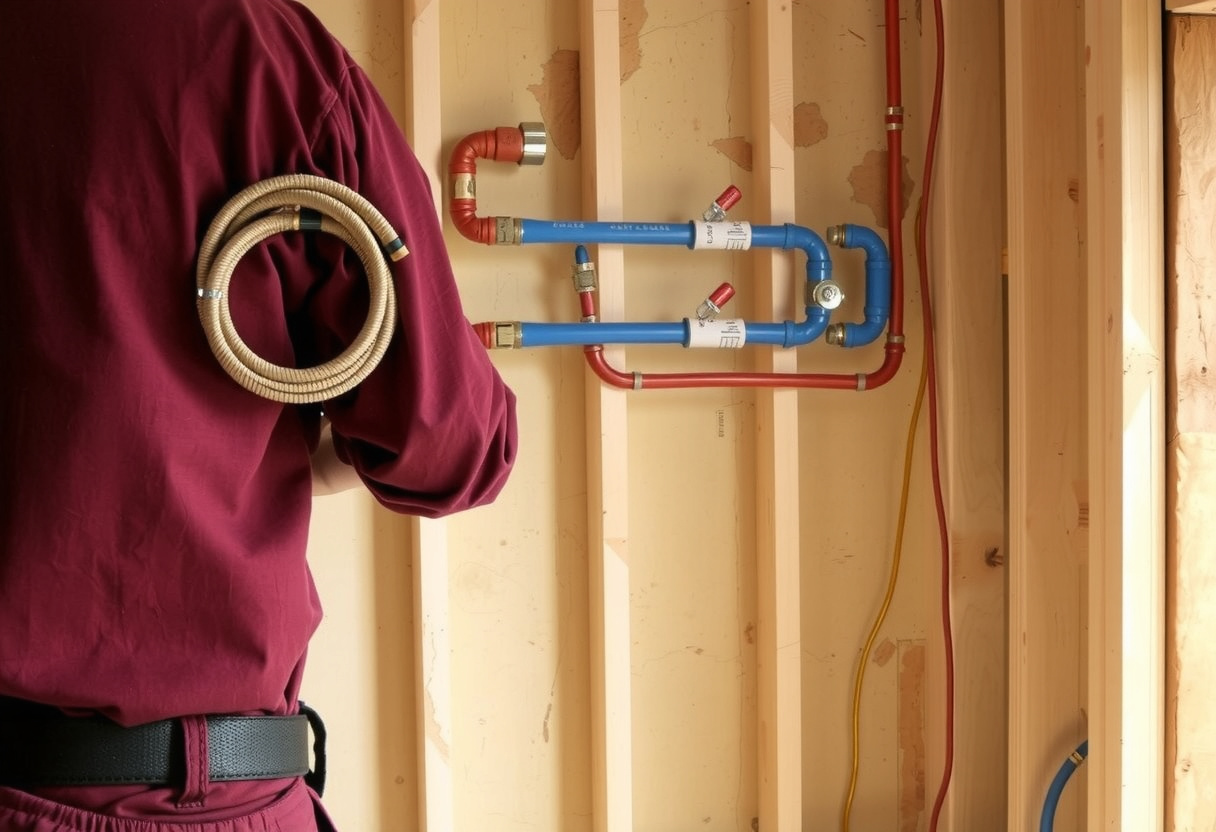
A bill that jumped with nobody home is worth a phone call — those are the signs we chase. More on whole-house repipes and finding leaks, or read why pressure drops suddenly.
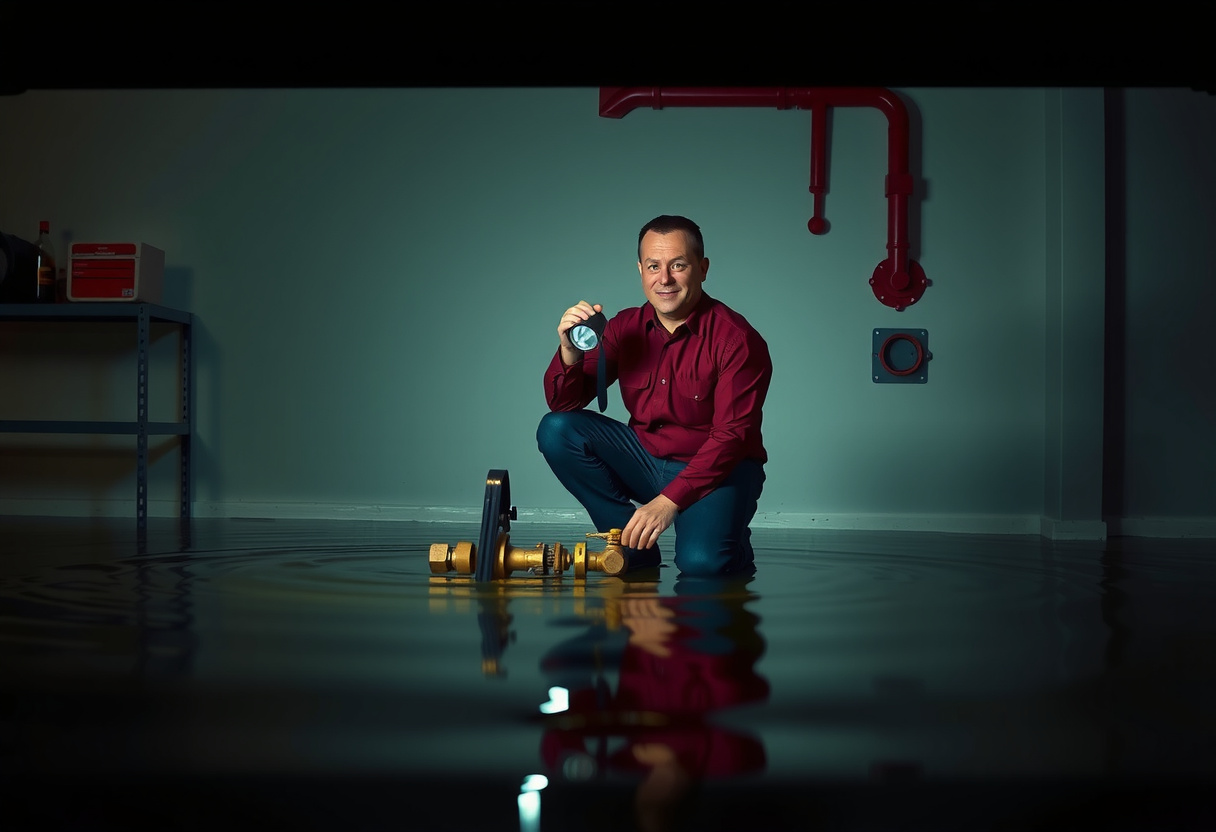
Waste coming up through a basement floor drain, a service line letting go under the driveway, sump pumps that gave up in a wet week, a heater that has emptied itself into the garage. These don’t wait for business hours and neither do we — Danika is on call around the clock, and an emergency here gets an emergency response. Find your main shut-off before you need it; here’s how to locate it. Then call (425) 374-1557 and tell us what you can see.
Not on the list? Check the full service area or call (425) 374-1557 and ask. Buying or selling on the Eastside and want the buried run looked at first? That’s a survey worth having — see everything we handle.
You do. The City of Issaquah states that “property owners are responsible for maintenance and repair of side sewers” — the run connecting a building to the main in the street. The city looks after the mains themselves where they sit in public rights-of-way or a dedicated utility easement. The same split is set out in Issaquah Municipal Code 13.36.010.
Yes. IMC 13.40.020 requires a permit before any work is started for construction of a new lateral or any modification of an existing one, whether on private property or within the public right-of-way. The contractor’s copy of the permit has to be available on the job and reachable by the city’s inspector, and the code lets inspectors enter at reasonable times to inspect, measure, sample and test.
It is the cleanout that makes your line findable later. IMC 13.48.020 calls for an inspection tee with a vertical riser reaching to within 18 inches of the ground surface, placed beyond the public way and within five feet of a residential property line, fitted with a mechanical compression plug. The code also asks for a piece of metal the size of an automobile brake drum or larger to sit above the plug — without touching it — so a finder can locate it.
Under IMC 13.32.030, properties on private septic that sit close to an existing main must submit documents to the city every three years showing the system is working, and the city mails reminders. If a system is non-functioning — the city’s test is sewage surfacing on the ground that routine maintenance cannot fix — connection to the public system is required.
It depends where you are. A major portion of the supply comes from four city production wells in the valley — two at 100 feet, one at 200 feet and one at 400 feet. Cascade Water Alliance supplies the Issaquah Highlands and Talus urban villages along with the Montreux and Lakemont areas. The northeast section of the city is inside the Sammamish Plateau Water and Sewer District service area instead.
IMC 13.48.050 asks that waterlines and waste lines be laid at least 10 feet apart horizontally wherever possible. Where that is not achievable, the buried run has to be built to the current Washington State Department of Ecology Criteria for Sewage Works Design. Materials and testing otherwise follow current APWA specifications and city standards under IMC 13.48.010.
Tell us the street and we’ll tell you which utility you’re on, whether the job needs a permit, and what we’d want to look at first. No guesswork about who owns which length of line. Serving Issaquah, WA and the wider Eastside, with plumbing done once and done properly. Financing is available on the larger jobs, and there’s a 24-hour line when it can’t wait.
Danika Plumbing LLC · Licensed · Bonded · Insured · Washington State L&I Registered · L&I DANIKPL839PF · One-year parts and labor warranty