Isn’t a sump pump supposed to run? Sort of. It’s supposed to run when the pit fills, then stop. If your sump pump keeps running after the water is gone, or kicks on every few seconds, it isn’t doing its job so much as arguing with it.
Sometimes the answer is “that’s just the ground being soaked.” Sometimes it’s a small, cheap part about to cost somebody a motor.
A sump pump that keeps running is either busy or broken
The first thing to sort out is which one you’ve got. A sump pump that keeps running hard during a downpour and then tapers off over the following day or two is doing exactly what it was installed to do. A lot of the ground around here soaks up winter rain and lets go of it slowly, so a pit can keep refilling long after the sky clears.
Running wrong looks different. The pump keeps going while the pit sits low, or it fires over and over in a tight loop with barely any water to move. Or it hums away through a week of dry weather as if nobody told it the rain stopped.
Every five minutes, every twenty seconds: when is that fine?
It depends on what’s happening outside. Cycles every few minutes during heavy rain, with the pit visibly refilling from the walls or the inlet pipe, can be perfectly normal for a pump keeping up with a busy day. Cycling every few seconds is a different story, and so is a pump that runs constantly in dry weather. Both wear a motor out years ahead of schedule, and both are usually cheap fixes if you catch them early.
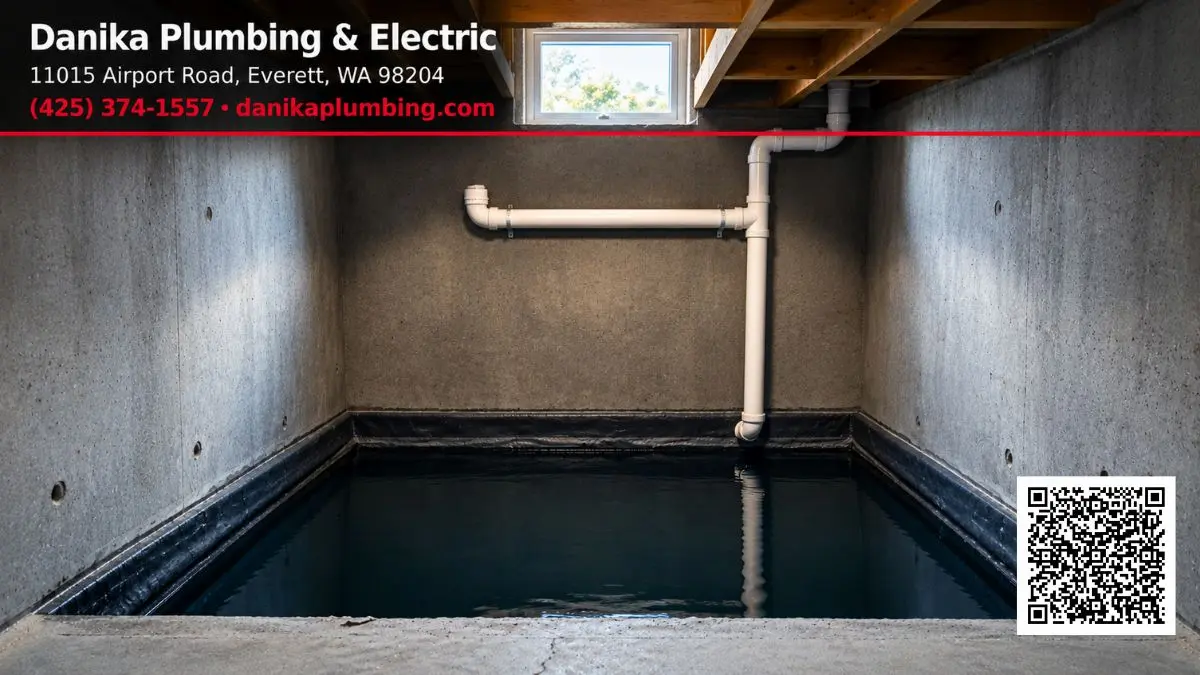
The tell is how the water behaves. Watch one full cycle with the lid off. If the level drops cleanly to the bottom, the pump shuts off, and the pit fills again slowly, that’s normal duty. If the level barely drops, or the water drops and then jumps right back up, you’re looking at one of the problems below.
The float switch gets blamed first, and usually for good reason
The float is what tells the pump when to start and stop. When it snags, the pump can’t hear the message. A float on a tether can drift against the wall of a tight pit, and a float on a rod can catch on the side of it. Silt and stray gravel don’t help. A stuck float is a common reason a sump pump keeps running in dry weather.
- Unplug the pump first, then free the float and clear any silt around it.
- Plug it back in and run the bucket test: pour in enough water to raise the float, and the pump should start, pull the level down, and shut off.
- If it works and the pump still won’t quit on its own, the problem is elsewhere.
- If the float keeps sticking after you’ve freed it, the switch is worn or the pit is too tight for that style of float.
Water goes up the pipe, then comes right back down
The check valve sits in the discharge line just above the pump and keeps water from draining back into the pit after the pump stops. When it fails, every cycle sends the same water up and lets most of it fall right back. That is why a sump pump keeps running on a loop, pushing the same water out again and again until the valve is replaced.
The giveaway is what happens after the pump stops. A good valve thumps shut. If water runs back down the pipe afterwards, the valve isn’t holding, and the pump kicks on again soon after. A missing valve does the same thing.
When your sump pump keeps running but the pit never drops
Sometimes the motor is running just fine and nothing is being moved.
- A clogged intake screen does it: you can hear the pump working while almost nothing moves.
- An air-locked pump spins without pulling water.
- So does a discharge line that’s frozen, sagging, clogged, or buried at the outlet, which gives the water nowhere to go. Cold snaps can freeze a line that ends at grade.
Walk outside while the pump is running and look at the end of the discharge line. If no water is coming out, that’s your answer. Clear the opening and check the line for sags. If the pump is humming with nothing moving, an air lock is possible; a pro can check whether the discharge line has a weep hole, which is what keeps a pump from air-locking.
Follow the inflow: what is really filling that pit
If the pump, float, and check valve all check out, the problem may be the inflow. Groundwater seeping in from the walls and floor is the normal source. A leaking supply line is not, and it doesn’t care what month it is.
The simplest test is a dry spell. After several days without rain, check the pit. A pit that fills at a slow, seasonal pace is groundwater. A pit that keeps filling at the same pace regardless of the weather deserves a closer look at the plumbing, and warm water points to a hot-side leak. A quick meter check settles it: shut off every fixture and appliance, write down the meter reading, wait an hour, and read it again. If it moved, water is going somewhere it shouldn’t.
An undersized pump or a pit that’s too small will also cycle constantly in wet weather. That’s a design question, not a repair.
How long can a pump run nonstop before it burns out?
There’s no safe number to quote, and we won’t make one up. What we can say is that a pump that runs constantly, even in dry weather, or one that short-cycles every few seconds, will burn the motor out years ahead of schedule. If your sump pump keeps running for hours and the pit isn’t dropping, stop guessing and deal with it that day.
If you can’t solve it quickly, unplugging the pump beats letting the motor burn out, but understand that you’ve turned off your protection. If rain is coming, you want a plan: a battery backup pump, or a plumber on the way.
Worth a detour while you’re here
- sump pump repair and replacement here in Everett: if you’d rather hand the whole thing to someone with a truck.
- our rundown on how long pumps last: what wears a pump out, and why run time matters more than age.
- telling groundwater from a leak: handy if the water in your pit might not be groundwater at all.
- a French drain that moves water before it ever reaches the pit: for properties where the pit is working overtime because the yard sends everything its way.
- your Everett plumbing crew: general plumbing help for the rest of the house.
Smaller questions that come up once you’re standing over the pit
Why would a sump pump not shut off at all?
Because it either thinks the pit is still full or it’s pumping and getting nowhere. A float that’s snagged on the pit wall or its own tether is the classic version of the first; an air-locked pump, a blocked discharge line, a clogged intake screen, or water arriving as fast as it leaves is the second. A bucket test tells you a lot: pour water into the pit, watch the float rise, the pump start, and the level drop, then listen for the check valve to thump shut.
Why does a sump pump keep running when it hasn’t rained in days?
Wet ground holds water for a long time, so a pit can keep filling days after the last shower. That’s one answer. The other is a plumbing leak, or a float that never lets go. If water keeps coming in at the same pace through a genuinely dry stretch, run a meter test: shut off everything, read the meter, wait an hour, and read it again. If the numbers moved, call a plumber before you blame the weather.
Why does water run back down the pipe after the pump shuts off?
Usually because the check valve isn’t holding it. A healthy valve thumps shut and the water stays up. A tired one lets it fall back into the pit, and then the pump has to turn back on and push the same water out again.
Should a brand-new pump be running this much?
Not without a reason. A new pump sitting in an old, silted-up pit, or one installed without a working check valve, can cycle more than it should. Cycling often right after an install is worth a call back to whoever set it.
Could the discharge water be running back toward the house?
It can. If the outlet dumps close to the foundation, the same water soaks in, travels back to the pit, and gets pumped out all over again. Extending the outlet so the water lands well away from the house, where the ground slopes away, is often one of the cheapest improvements available. The discharge should never go into the sanitary sewer.
Send us a photo of the pit before anything drastic happens
A picture of the pit, the discharge line, and the outlet outside is a good place to start. If your sump pump keeps running and you can’t tell why, send us a photo and a short description of what you’re seeing.
If it turns out to need hands-on work, that’s our day job. You can reach the office at (425) 374-1557 or office@danikaplumbing.com.
Danika Plumbing & Electric
11015 Airport Road, Everett, WA 98204
Phone: (425) 374-1557 |
office@danikaplumbing.com
License # DANIKPL839PF