
11015 Airport Road Everett, WA 98204
Home » Seattle Plumbers | Seattle Plumbing Services | Repair & Installation
Ask two neighbours here what happens to the rain off their roof and you can get two different answers, both correct. That is not folklore. The City’s own utilities planning work describes three kinds of sewer area — combined, separated and partially separated — each covering about one-third of the city.
In a combined area, waste and storm water travel in the same pipe. The City calls that network the oldest one in Seattle, carrying waste and storm water together. In a separated area, rain has its own pipes. In a partially separated area some rainwater from older roofs still drains to the wastewater side.
Which one you are in changes the job. It changes what a backup in a November downpour means, it changes whether a downspout can legally be re-routed, and it changes whether there is public money waiting to help pay for it.
We work all three. Most weeks, in fact — side sewer repair, drain cleaning, water heater repair, supply lines. The first question any plumber should ask about an address here is which third it is in.
Danika Plumbing & Electric runs into Seattle out of Everett — side sewers, water heater repair and installation, repipes, leak work and the ordinary daily plumbing an old home throws at you. Seattle plumbing, Everett rates. Professional plumbing, and we pull the permits rather than handing you the forms.
This is the bit that surprises people who have moved here from almost anywhere else. In Seattle your plumbing permit does not come from the City, and the plumber you hire has to be registered first.
Public Health — Seattle & King County issues plumbing and gas piping permits and does the inspections for Seattle, Clyde Hill and unincorporated King County; elsewhere in the county you go to that city’s building department. Its rule for when you need one is short: whenever you are going to install, relocate, or change a plumbing or gas piping system. A homeowner may hold the permit themselves, but if you hire a plumber in, that person must be a registered contractor under RCW 18.106.
The side sewer is a different desk entirely — SDCI. Same house, same trench, two permits. Most plumbing work in this city needs one or the other, and we handle both, so you are not the one working out which form goes where.
SDCI’s own guidance on side sewer permits is blunt about the sequence, and it is worth knowing before anyone turns up with a digger. Permits cover most side sewer repair and service drain work — repairs, alterations, pipe lining, capping and dewatering, not just shiny new installations.
Two rules decide who can do the work and when it can be closed up. First: if the work takes place in the right-of-way, only a Registered Side Sewer Contractor may perform it. That is not a preference, it is the permit condition. Second: all sanitary and drainage pipes must be inspected by an SDCI site inspector prior to being covered.
We have been called out as the second plumber on more than one trench in this city that was backfilled on a Friday by someone in a hurry. Opening it again is not a cheap morning, and it is the kind of plumbing bill nobody budgets for.
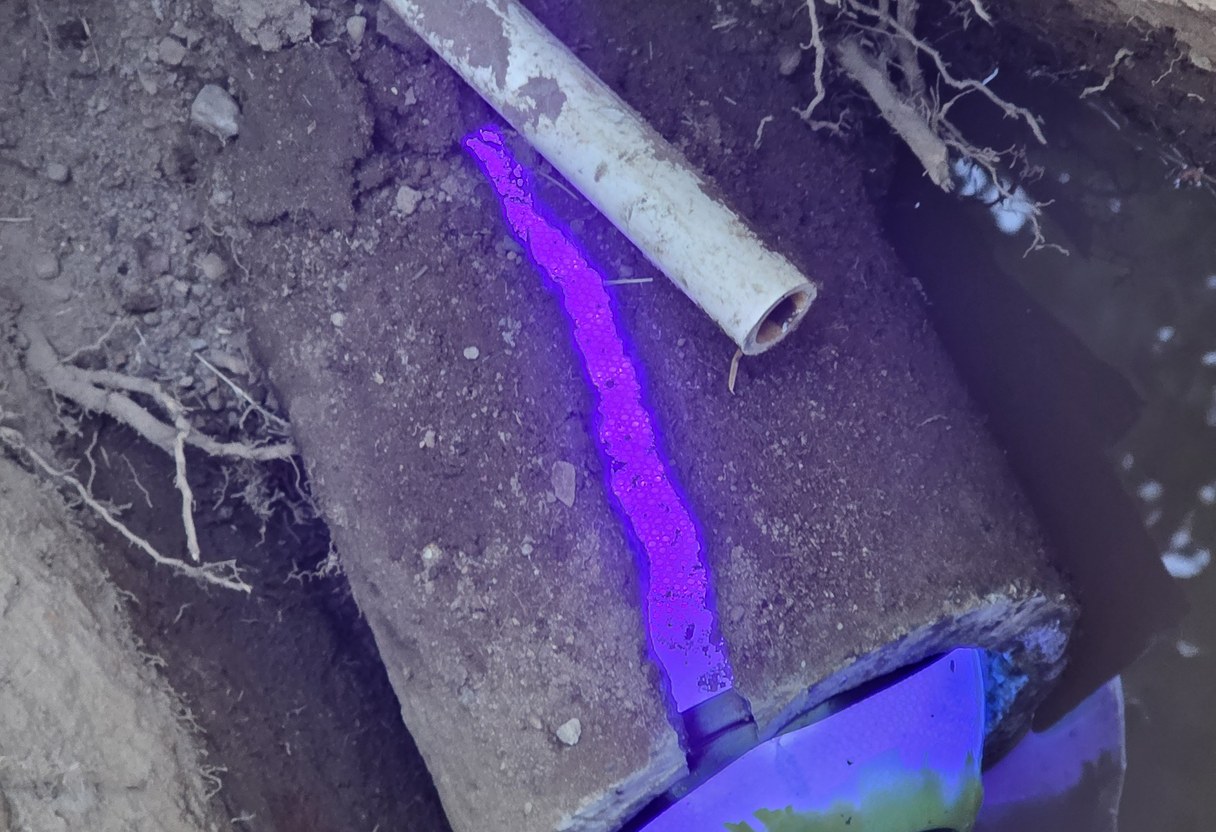
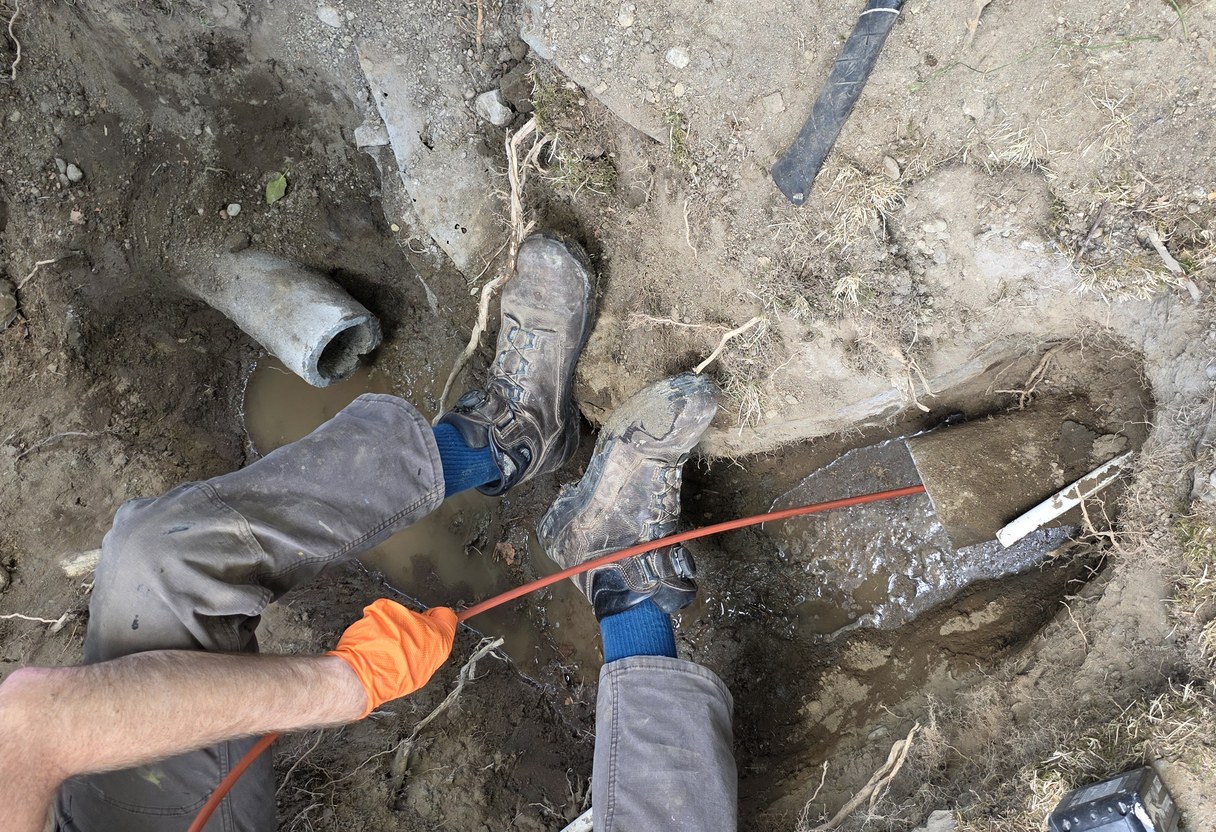
Permits run for 18 months unless you renew them or make other arrangements with SDCI, which is usually plenty — the sewer line gets surveyed, priced, dug, repaired, inspected and closed long before that. What we do is camera the sewer run first, locate it, and give you a written price against what the camera actually shows rather than against a guess. Spot repairs are often enough. Sometimes they are not, and we will say so.
A survey also tells you which job you are actually buying: a cracked hub, a belly holding water, roots at a joint, or a sewer pipe that has lost its shape altogether and needs more than a repair.
Here is why the basin question is not academic. In a combined area the same pipe is carrying what leaves your kitchen and what falls on the street. On a dry Tuesday there is room for both. During a long Pacific Northwest soaking there is a good deal less.
So a part-blocked sewer line that behaved perfectly all summer can tip over in the first serious rain of the autumn, and the householder quite reasonably blames the weather rather than the forty feet of grease and root hair that has been narrowing the pipe since March. The rain did not cause it. The rain found it.
That is the pattern we see most in the older parts of the city, and it is the argument for booking drain cleaning in September instead of arguing with it in November. Jetting scours the sewer pipe wall properly; a cable punches a hole through the middle of the blockage and buys you a few months. Both have their place. We will tell you which one your line actually needs — that is what you are paying a plumber for.
When too much storm water does get into the system, the overflow has to go somewhere — which is the whole reason King County operates four combined sewer overflow treatment facilities inside the city. Keeping your own sewer line clear is a small part of a very large problem, but it is the part you control.
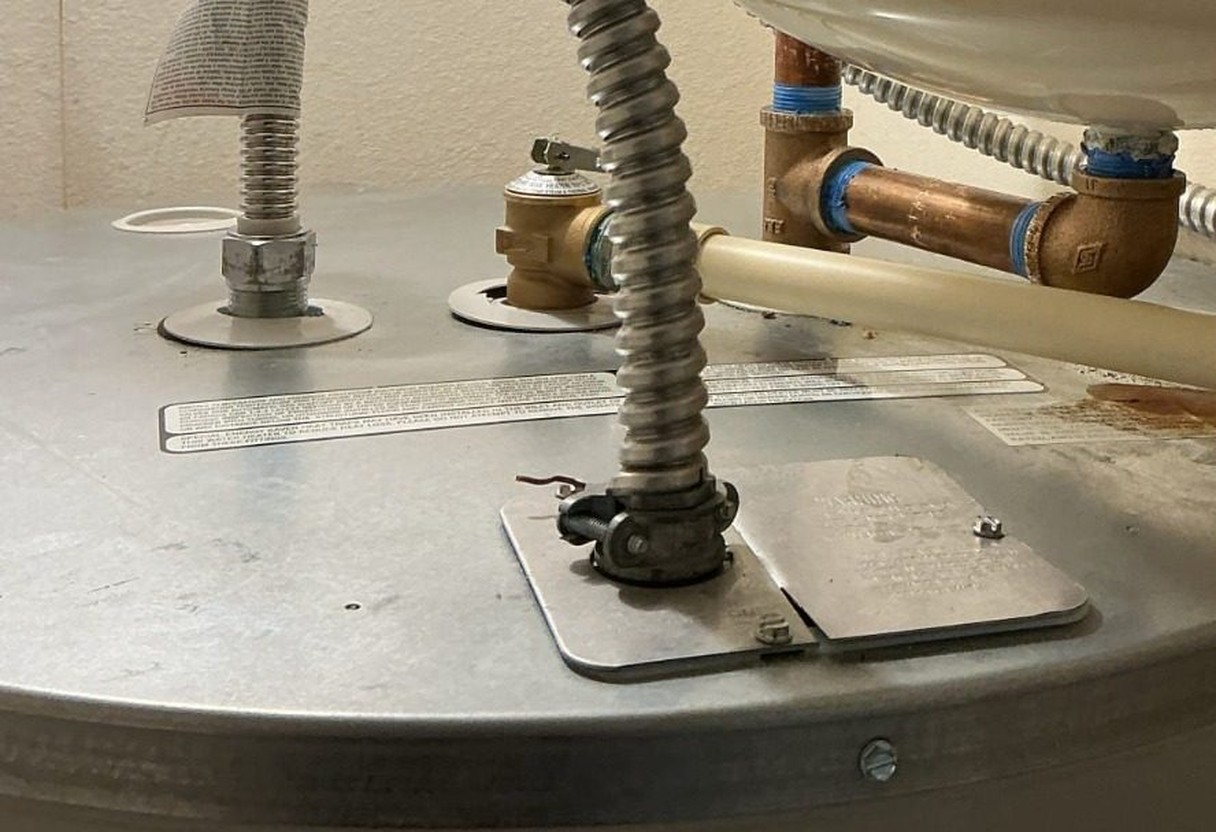
Swapping a water heater counts as changing a plumbing system, and in Seattle that puts the paperwork with Public Health — Seattle & King County rather than the City. Add gas into it and you are in their gas piping rules as well.
None of which should be your problem at home on a Sunday when there is water tracking across the basement slab. It is ours. We size the replacement, handle the permit, and do the work as a registered contractor, which is what the county requires of anyone you hire for it.
Older homes here make this more interesting than it sounds. Tanks get tucked into basements with low headroom, half-converted laundry rooms, and the odd crawlspace that nobody has stood up in since the Nixon administration. Getting the old one out is sometimes the hard half of the plumbing job.
Straight tank-for-tank is usually the quickest fix. If the hot water runs out halfway through the second shower, or the tank is eating a cupboard you would rather have back, a tankless unit is worth pricing — though in a home with original gas and venting it is a bigger piece of work than the adverts suggest. We will give you both numbers and let you choose. More on the options is on our water heater page.
Worth knowing either way: heating water is the biggest standing energy draw in most houses on this coast, so a tank that short-cycles is wasting money twice over.
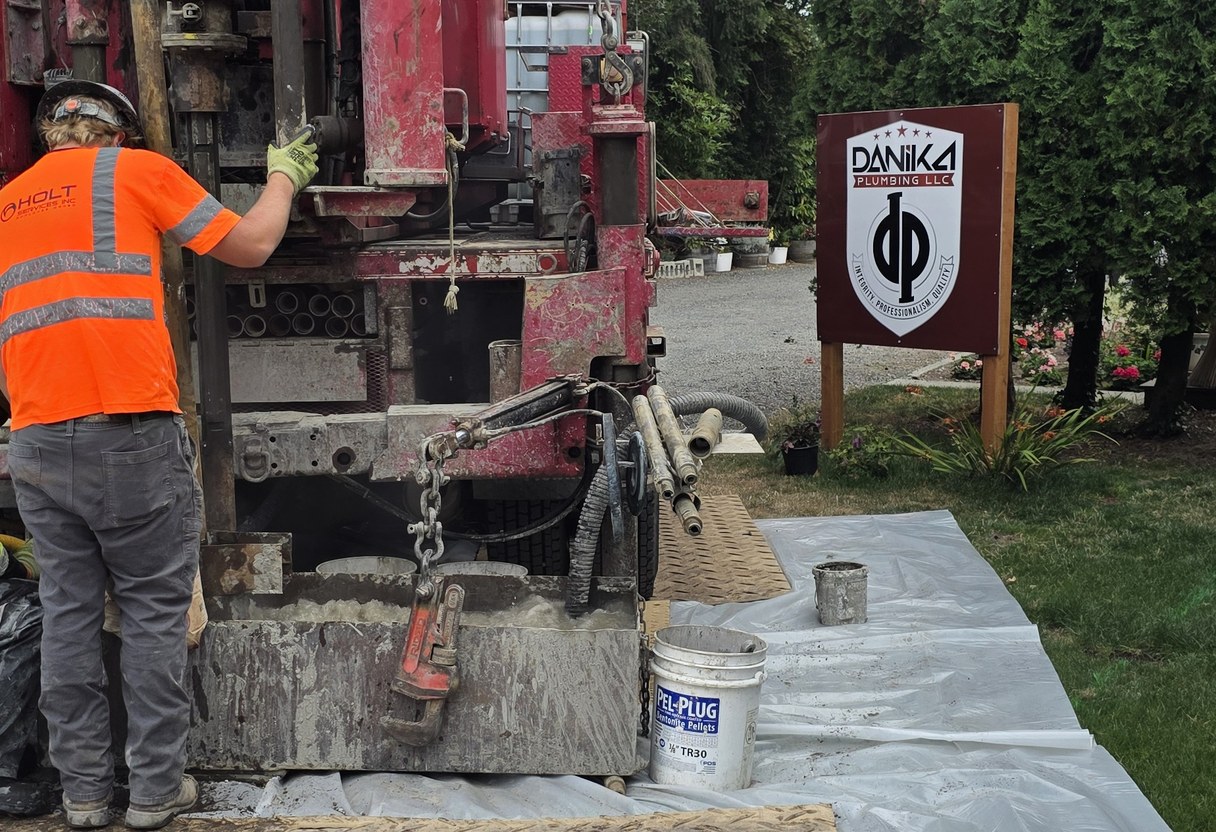
Seattle’s drinking water is surface water off two watersheds. The Cedar River reservoirs supply 60 to 70 per cent of it and the South Fork Tolt River supplies the remainder, with a small wellfield held in reserve. It arrives through something in the order of 1,820 miles of transmission and distribution lines.
All of that is the City’s side of the meter. Yours is the run from the meter to the house, and on a lot of streets here that water pipe is older than anyone living on it.
We locate leaks before we dig, which on a narrow city lot with a mature street tree matters rather a lot. Where the line is sound but the inside of the house is galvanised and tired, a repipe is the honest answer rather than another patch.
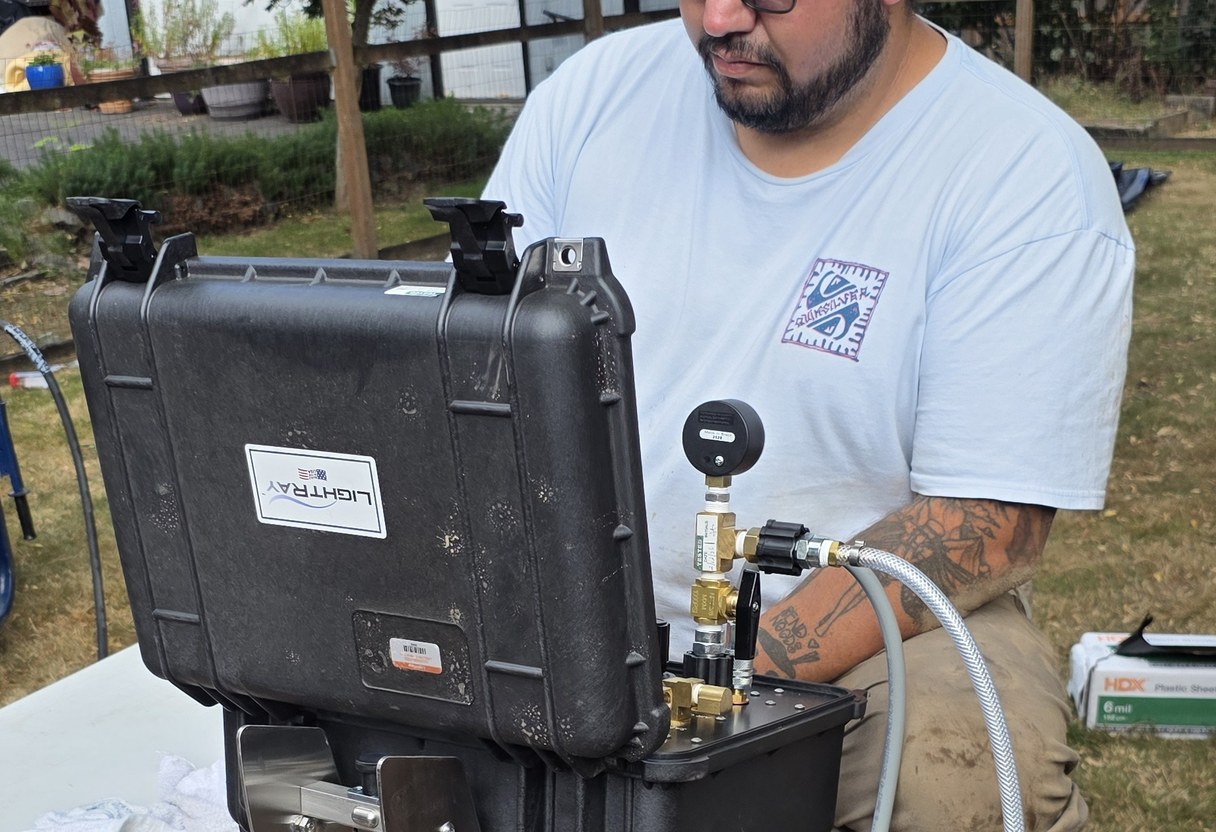
Leak detection first, excavation second. We would rather spend an hour finding it than a day digging for it, and the written quote follows the locate, not the other way round.
This one is worth five minutes of anybody’s time, because there is money in it and most people have never heard of it.
RainWise is a joint programme run by King County’s Wastewater Treatment Division and Seattle Public Utilities. It pays property owners to put in cisterns and rain gardens that keep storm water out of the sewer. The rebates cover up to 100 per cent of the cost of building rain gardens and cisterns on eligible properties in Seattle, and the County puts the average rebate at roughly $4,740.
The catch is the basin. Your property has to sit in an eligible combined sewer overflow basin; you check the address on the programme’s eligibility map, then submit a RainWise eligibility form which works out whether your storm water actually reaches the combined system. Being eligible is not the same as it being buildable, either — the County is upfront that a rain garden or cistern might not suit your plot.
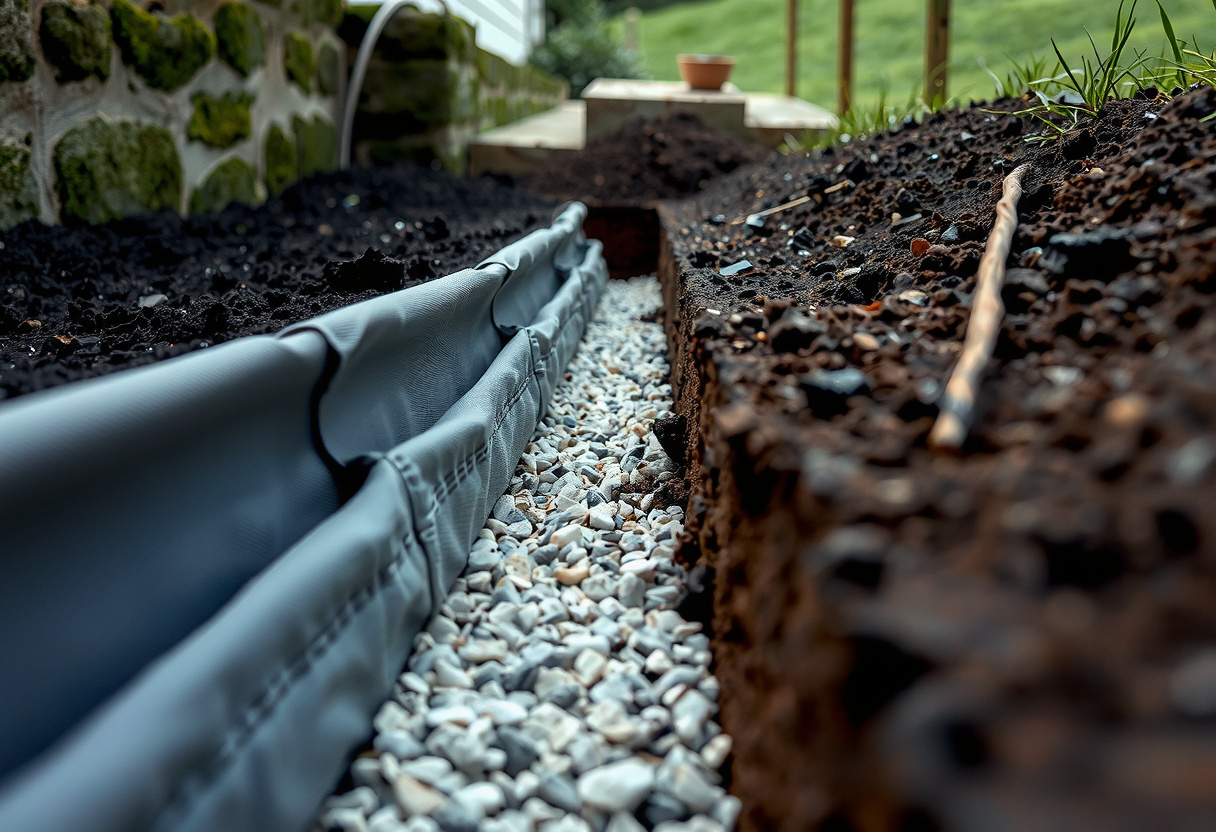
Worth saying plainly: the rebate work itself has to be designed and built by a RainWise-trained contractor, and that is a separate trade from what we do. What we can do is the plumbing either side of it — sorting out where the downspouts and footing drains currently go, and repairing the ones that are quietly soaking a foundation and causing water damage. A perimeter drain is the usual remedy where a rebate is not on the table.
Plumbing services that start at the downspout and finish at the sewer, in other words. That stretch is the part we own.
People hear “you need a permit” and assume that means waiting. For a genuine side sewer emergency in Seattle, it does not. SDCI’s guidance allows emergency repairs to go ahead without a prior permit, with the application due by the next business day.
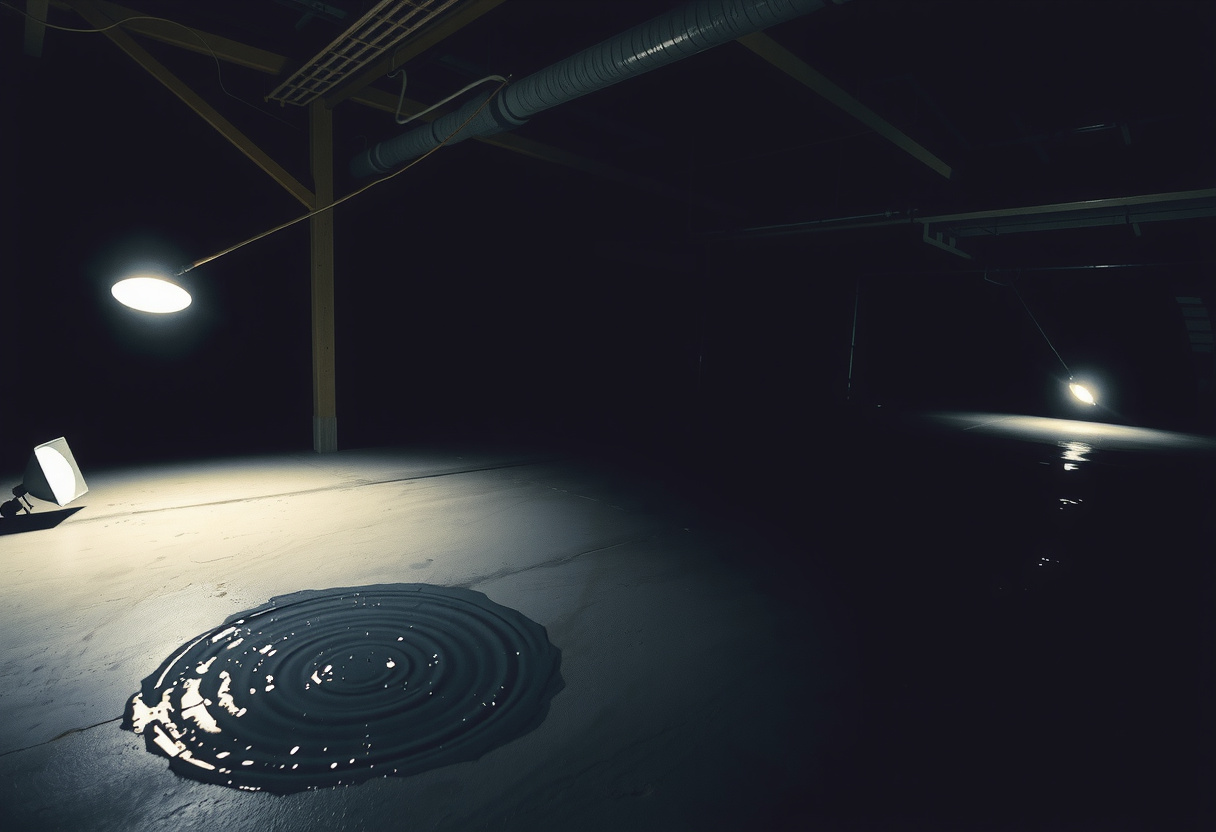
Which is exactly as it should be when there is sewage coming up through a basement floor drain at eleven at night. The pipe gets dealt with first and the paperwork catches up — and the paperwork is still ours, not yours.
We are on call round the clock. Burst supply lines, blocked sewer mains, a water heater that has let go, a drain backing up into a shower tray — emergency plumbing in Seattle, WA, at whatever hour it happens. Burst pipes, failed sump pumps, a water heater that has picked its moment — an emergency plumber is worth having on one number rather than three. More on how we handle out-of-hours work is on the emergency plumbing page. If you can, shut the water off at the meter before you ring — it buys everybody time.
We cover the city, not a slice of it. The older neighbourhoods tend to bring us side sewer and drain work, the newer builds bring water heater and fixture work, and everywhere brings the occasional two in the morning phone call.
North of the ship canal we also keep a separate page for the Lake City end of the city, and over the line at NE 145th the work sits on our Shoreline page. Everett and the Snohomish County side is on the home page, and the rest of the towns we run to are listed here. Commercial work too.
Side sewers, drains, water heaters, supply lines and the call nobody wants to make at midnight. That is the whole range of residential plumbing: we pull both permits, meet the inspector, we do the repair, and leave you with a line that will get through a wet October. If you would rather spread the payments there is financing, and you can read what people say or get in touch.
Licensed · Bonded · Insured · Washington State L&I registered · One-year parts and labor warranty · On call 24 hours