Dealing with a bathtub that won’t hold water is one of those small annoyances that can ruin an otherwise perfect evening. The stopper broke off, disappeared down the drain, or maybe it never worked right in the first place. Either way, standing in ankle-deep water during a shower or watching bath water slowly vanish is frustrating.

A missing or broken tub stopper doesn’t mean calling a plumber right away—there are quick fixes and affordable tools that can solve the problem in minutes. Some solutions cost less than a fancy coffee and take about as long to install. Others might need a bit more attention, especially if there’s a hidden leak or damaged drain assembly causing the issue.
This guide walks through everything from emergency fixes using stuff already in the house to permanent solutions that actually work. It also covers how to spot when something bigger is wrong and when it makes sense to bring in professional help.
Quick Fixes You Can Do Right Now

Before calling for professional drain cleaning, homeowners can try several household tricks that might clear minor clogs. These methods work best on shallow blockages near the drain opening rather than deep pipe issues that require a drain cleaning service.
Plastic Bag & Water Trick
A sturdy plastic bag filled with water creates surprising suction power when pressed against a clogged drain. The bag needs to be thick enough to hold its shape without tearing, like a freezer bag or small garbage bag.
Fill the bag about halfway with warm water and seal it tight. Press it firmly over the drain opening, making sure it covers the entire hole. Push down hard and release quickly, repeating this motion several times.
The pressure change can dislodge hair clumps and soap buildup sitting just below the surface. This method works particularly well on bathroom sink drains where the clog sits within a few inches of the opening. If nothing budges after ten attempts, the blockage probably sits too deep for this approach.
Flat Jar Lid Or Coffee Pod Top
A flat jar lid creates a makeshift plunger for smaller drains that regular plungers can’t grip properly. Metal lids from pasta sauce jars or large coffee can tops work especially well because they don’t bend under pressure.
Wet the rim of the lid to help create a seal. Place it flat against the drain opening and press down firmly while twisting back and forth. The combination of pressure and rotation can break up soft clogs.
This technique shines when dealing with bathroom sink drains clogged with toothpaste residue and hair. The lid’s flat surface covers the drain completely, unlike rounded plunger cups that often miss small openings. Keep a steady rhythm of pressing and twisting for about thirty seconds before checking results.
Wet Washcloth Method
A wet washcloth bunched over a drain creates enough suction to pull out shallow clogs through simple pressure changes. This gentle method won’t damage fixtures or pipes, making it safe for frequent use.
Soak a washcloth in hot water and wring it out slightly. Ball it up and press it tightly over the drain opening, covering every gap. Push down hard with both hands, then yank the cloth up quickly in one sharp motion.
The vacuum effect can grab onto hair and debris stuck near the surface. Repeat this plunging motion five to ten times. Sometimes the clog comes up still attached to the washcloth, which is both gross and satisfying. This approach beats harsh chemical cleaners for minor blockages.
Rubber Ball Or Suction Cup
A small rubber ball or suction cup produces concentrated pressure that dislodges stubborn clogs without special tools. Racquetballs and those bouncy balls from vending machines work perfectly for this job.
Wet the ball or suction cup and press it over the drain opening with force. Move it up and down rapidly, creating a pumping action similar to a plunger. The concentrated pressure point often breaks through clogs that resist wider tools.
For tougher blockages, combine this with hot water running from the tap. The heat softens grease and soap while the pumping action provides mechanical force. If the water starts draining even slightly, keep going for another minute to clear remaining debris. When none of these fixes work, it’s time to contact a proper drain cleaning service.
Reliable, Low-Cost Tools That Solve The Problem
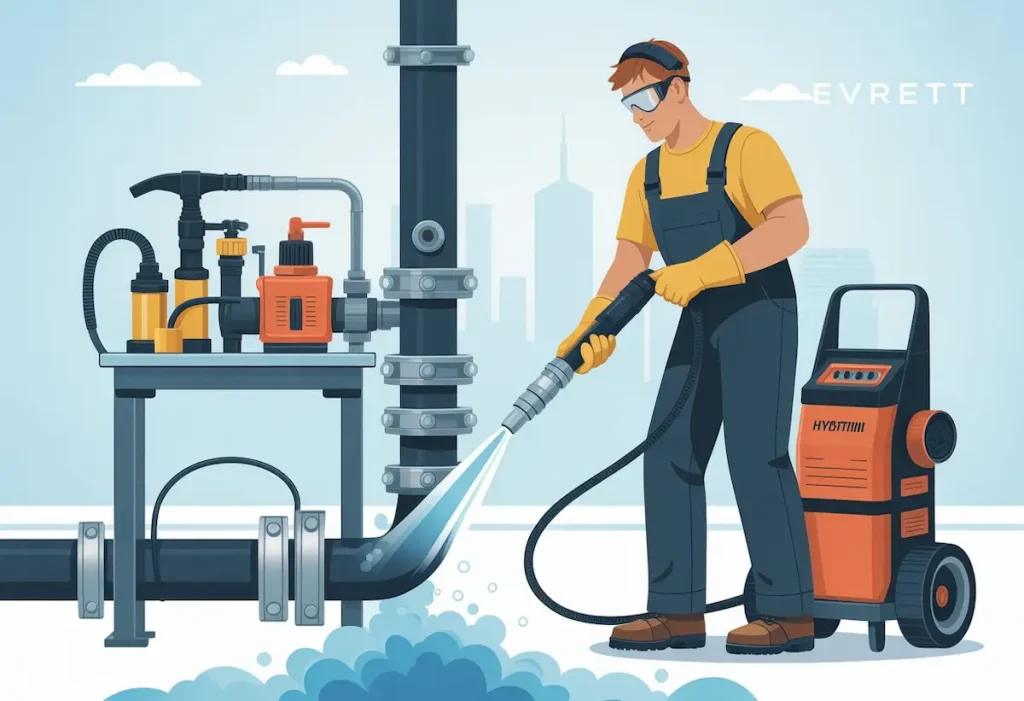
Before spending hundreds on hydro jetting, homeowners can try two affordable items that prevent many drain issues from escalating into expensive emergencies.
Universal Rubber Stoppers
These simple devices cost between $3 and $12 at most hardware stores. They work by creating an airtight seal in drains, which prevents hair, soap scum, and small debris from traveling down pipes where they cause blockages.
Universal rubber stoppers come in expandable designs that fit most standard drain sizes. The expandable wings adjust to create a tight fit in bathroom sinks, tubs, and shower drains. They catch debris before it enters the plumbing system.
Cleaning them takes seconds. Pop them out, rinse off the accumulated gunk, and place them back in the drain. This weekly maintenance prevents the slow buildup that eventually requires professional intervention.
Most models last 2-3 years with regular use. That’s exceptional value for something that costs less than a fancy coffee.
Silicone Drain Covers
These flat, flexible covers sit over drains and catch debris while allowing water to flow through small perforations. They cost $5 to $15 for a multi-pack.
Silicone versions outlast plastic alternatives by years. The material resists cracking, warping, and deterioration from cleaning chemicals. Kitchen drains benefit most from these covers since they catch food particles before they combine with grease to form stubborn clogs.
The covers come in various hole patterns. Smaller perforations work best for bathroom drains where hair is the main concern. Larger holes suit kitchen sinks where water volume matters more.
They’re dishwasher safe, which makes cleaning effortless. Simply toss them in with the regular dishes once a week.
Why Your Tub Might Still Be Losing Water
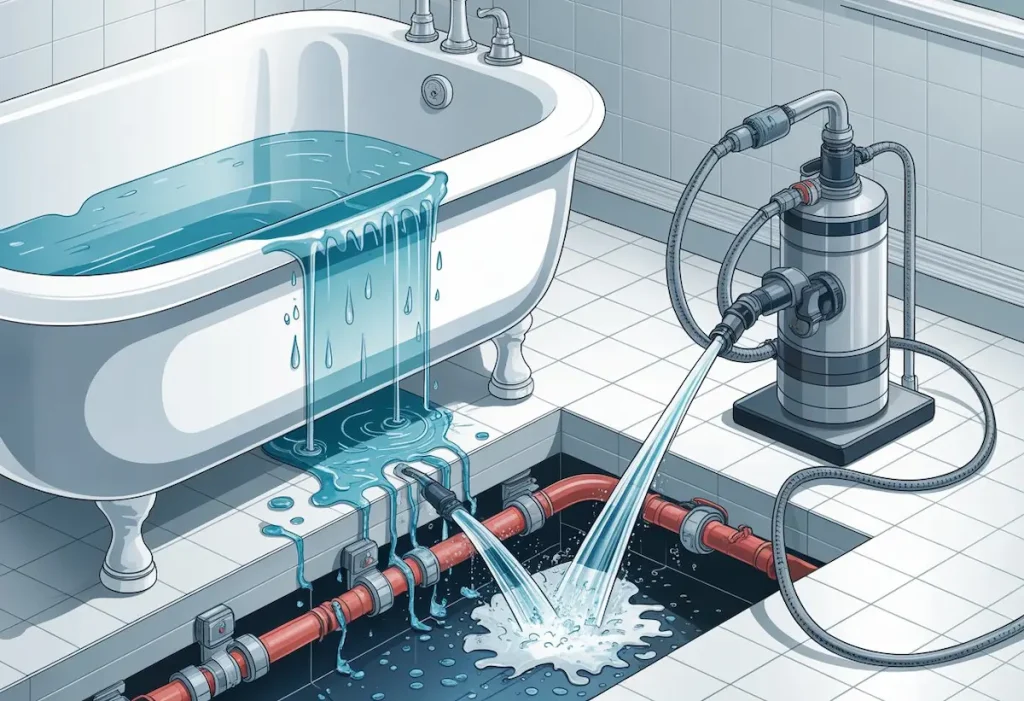
A leaking bathtub doesn’t always announce itself with dramatic puddles on the floor. Sometimes the water disappears through sneaky routes that have nothing to do with visible cracks.
The overflow drain assembly often develops gaps around its gasket after years of temperature changes and settling. Water seeps through these tiny openings into the wall cavity where nobody notices until mold appears. That innocent-looking ring of metal becomes a secret passage for gallons of water.
Common hidden leak sources include:
- Deteriorated grout lines between tiles
- Loose drain flange connections beneath the tub
- Cracked overflow tube inside the wall
- Failed silicone seals around the tub edge
The p-trap underneath might have corroded joints that drip slowly into the subfloor. This creates perfect conditions for rot and eventual structural damage. A homeowner might blame their water bill on long showers when the real culprit hides in the crawlspace.
Sewer backup can also cause mysterious water loss in unexpected ways. When main lines clog, pressure builds and forces water backward through weak points in the plumbing system. The tub drain becomes a relief valve of sorts, letting water escape through compromised seals.
Testing is straightforward but revealing. Fill the tub, mark the water line with tape, and don’t use it for 24 hours. If the level drops noticeably without anyone touching it, there’s a leak somewhere in the system.
Professional hydro jetting clears stubborn blockages that contribute to backup pressure and system strain. Clean lines mean proper drainage and less stress on connection points where leaks love to develop.
Remove Or Repair The Existing Stopper (If It’s Still There)

Before hydro jetting work begins, the drain stopper needs attention. Most bathtub stoppers can be removed with basic tools, though some require a bit more finesse depending on their type.
Toe-Touch, Trip-Lever, And Push-Pull Models
Toe-touch stoppers unscrew counterclockwise by hand once the cap is twisted off. The shaft beneath connects to a spring mechanism that sometimes gets gunked up with hair and soap scum. A pair of pliers helps grip stubborn units that won’t budge.
Trip-lever stoppers hide their linkage inside the overflow drain. Remove the overflow plate screws, then pull the entire assembly out through the overflow opening. The stopper itself may need wiggling to extract all the connected parts. These models collect debris along their metal rods.
Push-pull stoppers have a knob on top that rotates to open and close. Unscrew the knob, then lift the stopper body straight up from the drain. Some versions require loosening a setscrew on the side of the stopper shaft first. Once removed, check the rubber gasket for wear or damage that could interfere with proper drainage after jetting.
Simple Leak Test You Can Do In 5 Minutes

Running toilets waste thousands of gallons every year. Most homeowners don’t even notice.
Drop a few drops of food coloring into the toilet tank. Blue or red works best. Don’t flush yet.
Wait five minutes. Set a timer on the phone and walk away.
Come back and check the bowl. If colored water appeared without flushing, there’s a leak. The flapper valve is probably worn out or seated incorrectly.
What the colors mean:
- Clear bowl = No leak detected
- Colored bowl = Active leak needs repair
This test catches leaks that add $50 to $100 annually to water bills. A toilet can leak 200 gallons per day without making a sound.
The fix is usually simple. A new flapper costs about $5 at any hardware store. Installation takes ten minutes with basic tools.
Some homeowners in Everett discover multiple leaking toilets this way. Each one drives up costs silently.
Professional plumbers recommend running this test twice per year. Spring and fall work well as reminders. Mark it on the calendar next to changing smoke detector batteries.
The food coloring won’t stain porcelain. It rinses away completely after flushing. Any brand from the grocery store works fine.
Catching leaks early prevents water damage too. Constant moisture around toilet bases can rot subfloors over time. That turns a $5 repair into a $500 problem real fast.
When It’s Time To Call A Plumber
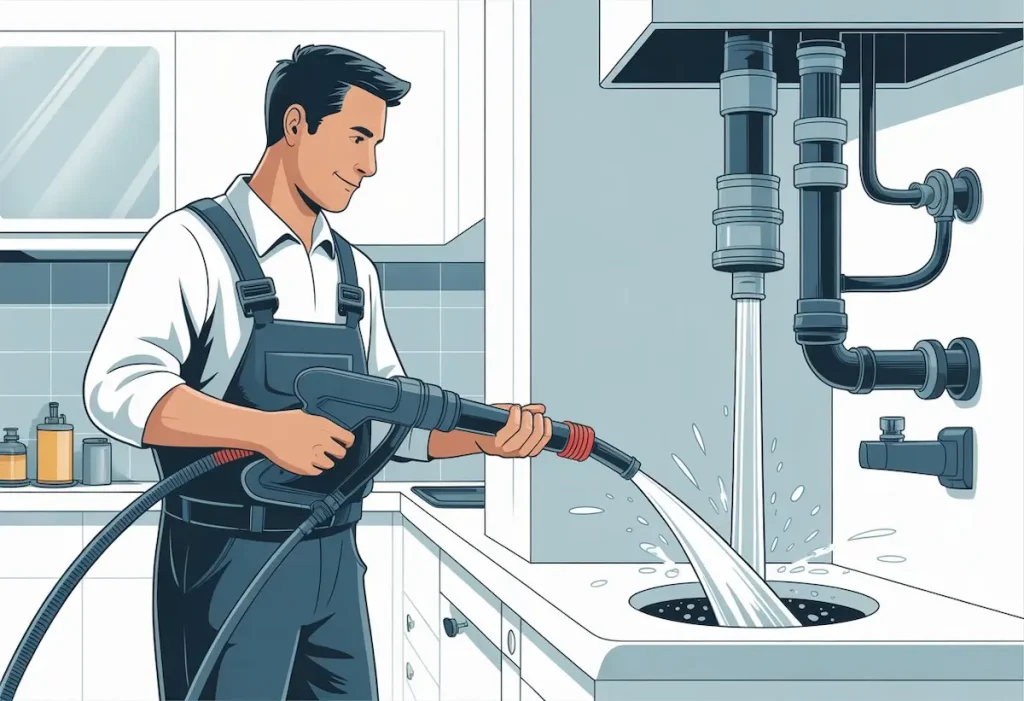
Some drain problems announce themselves loudly. Others lurk in the shadows until they become expensive nightmares.
Signs that demand professional help:
- Slow drains throughout the house – When multiple fixtures back up, the main sewer line is probably blocked
- Gurgling sounds – Toilets and drains that make odd noises signal trapped air in the pipes
- Sewage backups – This isn’t a DIY moment
- Recurring clogs – If the same drain keeps blocking up, something deeper is wrong
- Standing water – Pools that won’t drain need immediate attention
A professional plumber brings tools that homeowners don’t have access to. Camera inspection equipment lets them see exactly what’s blocking the line before starting work. This saves time and prevents guesswork.
Tree roots, grease buildup, and collapsed pipes all need different solutions. Without checking first, even the best hydro jetting won’t fix structural damage.
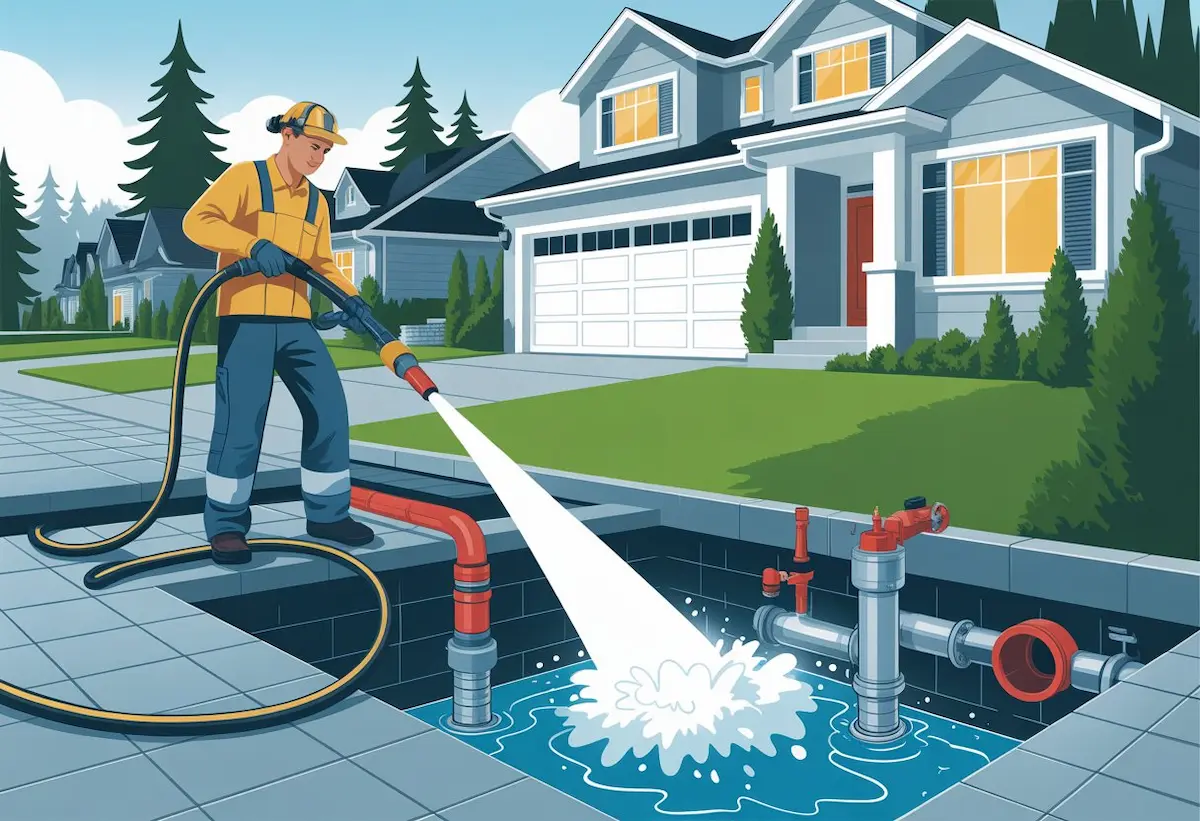
Emergency hydro jetting services exist because some problems can’t wait until Monday morning. Sewage backing into a home creates health hazards that need immediate resolution.
Professional plumbing services also prevent damage to pipes. High-pressure water can crack older or damaged lines if used incorrectly. Licensed plumbers know how to adjust pressure based on pipe material and condition.
The cost of calling a professional early usually beats the price of repairing water damage later. Most homeowners discover this truth the hard way.
Final Call To Action: Let’s Make Your Tub Work Like New
A sluggish drain isn’t going to fix itself. Neither is that weird gurgling sound coming from the pipes at 2 AM.
The team at Danika Plumbing LLC has seen it all. Hairballs the size of small mammals. Soap scum castles that would make architects weep. That mystery gunk nobody wants to identify.
Hydro jetting tackles these problems head-on:
- Clears decades of buildup in under an hour
- Eliminates roots that think pipes are cozy homes
- Restores water flow to factory settings
- Prevents future clogs from setting up camp
The cost ranges from $350 to $600 for most residential jobs in Everett. That’s less than replacing corroded pipes or dealing with water damage from a backed-up system.
Danika Plumbing LLC serves the greater Seattle area with equipment that doesn’t mess around. Their technicians show up on time, explain what’s happening in plain English, and leave drains cleaner than they’ve been since installation.
No more standing in ankle-deep shower water. No more plunging until arms give out. Just pipes that work the way they’re supposed to.
Ready to stop wrestling with that tub?
Call Danika Plumbing LLC today for a free quote. Their scheduling team answers calls seven days a week. Most jobs get completed within 24 hours of the first call.
The drain won’t unclog itself. But one phone call will handle it.
Frequently Asked Questions
Hydro jetting costs in Everett vary based on pipe condition, blockage severity, and property type. Most residential services range from $350 to $600, while commercial properties face higher rates due to larger systems and specialized equipment needs.
What factors influence the price of hydro jetting services in Everett?
Several key elements determine the final cost of hydro jetting. The accessibility of the plumbing system plays a major role – pipes that are easy to reach cost less to service than those buried deep underground or hidden behind walls.
The length and diameter of pipes requiring cleaning directly impact the price. Larger commercial systems need more time and higher-powered equipment than standard residential lines.
The condition of existing pipes matters too. Older pipes made from clay or cast iron require gentler water pressure and more careful handling, which takes additional time. Modern PVC systems typically clean faster and cost less to service.
How much can I expect to pay for residential hydro jetting in Everett?
Residential hydro jetting service in Everett typically runs between $350 and $600 for standard drain lines. Most homeowners pay around $475 for a complete main sewer line cleaning.
Kitchen and bathroom drain cleaning falls on the lower end of this range. Main sewer lines usually cost more due to their length and the intensity of buildup.
Emergency services outside regular business hours carry surcharges. Weekend and holiday rates often add $150 to $200 to the base price.
Are there different pricing structures for commercial hydro jetting services?
Commercial hydro jetting costs significantly more than residential work. Businesses typically pay between $800 and $2,500 per service call depending on system size and complexity.
Restaurants and food service establishments face higher costs due to heavy grease buildup. These properties often need specialized nozzles and extended cleaning times to properly clear their drain systems.
Many commercial clients choose monthly or quarterly service contracts. These plans reduce per-visit costs and prevent expensive emergency calls from unexpected blockages.
Does the severity of the blockage affect the cost of hydro jetting?
The worse the blockage, the higher the bill. Minor clogs clear quickly and stay at the base rate. Severe blockages require multiple passes and specialized nozzles, which increases labor time.
Tree root intrusions represent the most challenging and expensive blockages. Roots require cutting attachments and repeated treatments to fully clear. Some cases need additional video inspection to verify complete removal.
Pipes with decades of scale buildup take longer to clean than those with fresh clogs. The technician may need to make several passes at increasing pressure levels to safely remove hardened deposits.
Can preventative maintenance plans for hydro jetting reduce long-term expenses?
Regular hydro jetting services prevent major blockages from forming. Most maintenance plans cost between $200 and $400 per visit when scheduled annually or semi-annually.
Properties with recurring drain issues save money through preventative schedules. A yearly cleaning costs less than two emergency service calls. Businesses that generate heavy waste benefit most from regular maintenance programs.
Preventative hydro jetting extends the life of plumbing systems. Clean pipes experience less corrosion and fewer leaks over time, reducing replacement costs down the road.
What additional costs should be considered when budgeting for hydro jetting?
Video camera inspections often accompany hydro jetting service. This diagnostic tool adds $150 to $400 but shows exactly what’s happening inside the pipes. The footage reveals damage, root intrusion points, and areas needing attention.
Some properties need pipe repairs before or after hydro jetting. Damaged sections might require patching or replacement, which costs extra. The technician identifies these issues during the initial assessment.
Permit fees apply in certain situations. City regulations in Everett sometimes require permits for main sewer line work, adding $50 to $150 to the total. Most routine residential jobs don’t trigger permit requirements.