
Water Heater Services in Everett, WA
Home » Water Heater Services in Everett, WA
Danika Plumbing & Electric is your first choice when it comes to water heater repair in Everett WA. Our plumbers provide quick and affordable electric and gas water heater services. We can do a water heater replacement in Everett in less than 4 hours if you're in an emergency (* Pending Availability).
Simple things like taking a hot shower or doing the dishes shouldn’t be a task that you dread due to ice-cold water temperature. For the fastest, reliable service on water heaters in Everett, call us for a quote on your model and we’ll get you the unit you need when you need it.
You can count on us for:
- Fixing old units (tank and tankless systems)
- Buy and install new systems
- Upfront and competitive rates on your unit
- Fast and reliable turnaround
- Efficient and seamless installation
- Courteous and professional service
Call today for a FREE quote and consultation!
- Gas water heaters
- Electric water heaters
- Tank and storage water heaters
- Tankless water heaters
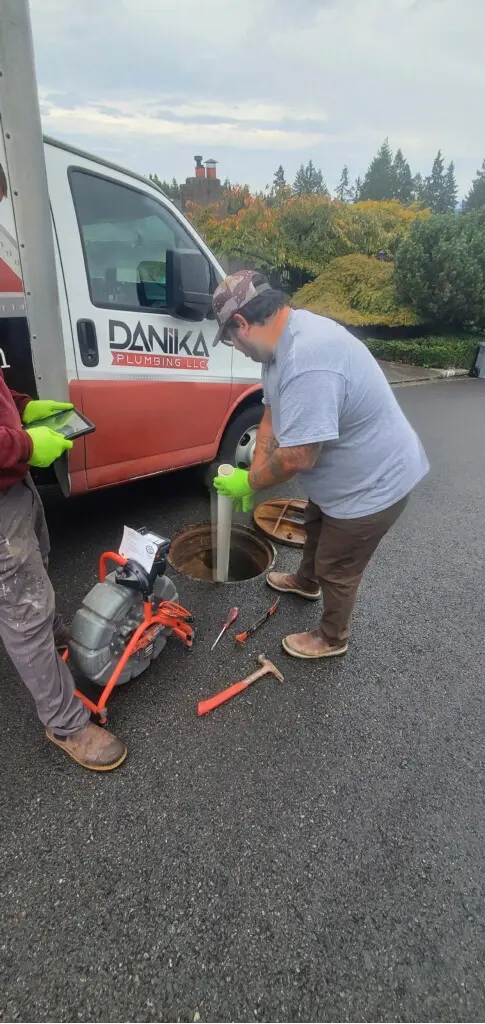


Water heater repair services in Everett for gas-powered units
When a gas water heater is consistently giving you trouble, we’re here to help. Whether you’ve found leaking hot water or your shower simply won’t heat up to a comfortable temperature we can find a solution that fits your budget.
We deal with all types of makes and models and provide you with the best options for replacing your gas water heater. If you already know it’s time for a new water heater, all we need is the model number and serial number found on your unit.
Fastest Electric Water Heater Replacement in Everett
There’s no water heater we can’t fix or install. Electric water heater replacement is a fast and efficient service we offer. There are no exceptions. We should inspect your water heater thoroughly before coming to a final decision. We want you to be 100% comfortable in your investment so we’ll present every aspect of your hot water problems.
Here’s what you get when you call us for water heater services in Everett:
- An immediate response from our emergency team
- Professional and experienced technician
- High-quality parts
- Guarantee on parts and labor
Broken Tank Unit? A New Water Heater Installation in Everett is A 1-Day Job!
Tank water heaters are also known as storage water heaters. They can be fuelled by electricity, natural gas, or propane and typically hold anywhere between 20 to 120 gallons of hot water. They can last a long time so it’s important to be sure that your system is at the end of its life before replacing it.
3 common signs of a broken tank water heater

A cracked tank that is leaking water

Broken thermostat

Faulty pilot light
In many cases, you might be in luck and only need a quick repair to get you up and running again. If the situation is more critical, we have excellent choices for energy-efficient systems that will save you money in the long run.
How Long Does a Water Heater Replacement Actually Take?
Four to six hours is the honest answer for most tank swaps in an Everett home. Eight to twelve if you are going tank-to-tankless, or if there is any gas line, venting or electrical upgrade involved. That is usually faster than people expect, provided the right unit is on the truck and the supply lines are not seized with corrosion.
What the hours are spent on
Draining the old unit is the slow part and there is no way to speed it up — a 50-gallon tank takes 30–45 minutes through the standard 3/4-inch valve. We use that time to disconnect the gas or power, prep the install spot and bring the new unit in.
The physical swap takes about 30 minutes when everything is accessible, and over an hour when the unit is in a tight closet or the original install was non-standard.
Reconnection covers the gas line and shutoff valve, water inlet and outlet, the T&P relief valve, and the drain pan and overflow line where the location requires one — some Everett installs do, depending on what is below the unit.
Testing is the part homeowners sometimes want to rush, and the part we will not. Full fill, pressure check for leaks, gas leak check with soap solution, ignition, temperature settling, then a short observation window. We have had units look perfect for 15 minutes and drop a fitting on minute 22.
What adds time in older Everett homes
The 1950s–80s housing stock around Pinehurst, Riverside and Northwest Everett often still has original galvanized supply lines feeding the water heater, and after 30-plus years of corrosion they are usually seized at the unit. Replacing the dielectric union is routine work, but it is work that was not in the original estimate of the afternoon.
Tankless Water Heaters Are A Breeze to Install
If you have a tankless water heater it means that no water is retained with the exception of that remains in the heater exchange coil.
Signs your tankless water may need replacing are:
- It’s already past its lifespan of 20 years
- The valves have rusted beyond repair
- Noise coming from the unit
- Leaking water
- Can only run cold water
In any event, we’re here to help. Call Danika for tankless water heater replacement in Everett WA and experience the benefits of expert plumbing professionals. We specialize in Tagaki installations.

Install tankless water heaters for new homes & renovations
If you’re moving into a brand new house or renovating an old one, you’re definitely a candidate for a new gas or electric tankless water heater. Most of us have seen that giant tank of water in the basement that holds anywhere from 40-120 gallons of hot water. The beauty of a tankless water heater is that you can get the same amount of hot water from a unit that’s the size of a microwave AND save yourself $100 every year.
Welcome to the new age of water heating systems. These units (also known as
“on-demand” systems heat up the water whenever you turn on your appliances or faucets. They are more energy-efficient than your traditional tank water heater, however, they are not without any shortcomings.
One complaint that homeowners may have is that there’s a limit to how much hot water you can draw in one sitting. For example, you can’t operate the shower, dishwasher, and washing machine all at the same time without eventually running low on hot water.
If you have a busy house, it’s something to consider.
Install tank water heating systems
If you already own a tank water heater then making the switch to a tankless system may not make sense financially. The best bet is a tank water heater replacement. Truth be told, people still opt for a tank water heating system because there are fewer upfront costs.
If you’re unsure about what type of water heater you want to commit to, let us help you make an informed decision. We can help you out over the phone or come to your house for a full inspection and assessment.
When you want the job done right, call the best Everett water heater installation experts at Danika Plumbing & Electric.
Hybrid Water Heaters
(Heat Pump Water Heaters)
Hybrid Water Heaters (Heat Pump Water Heaters)
Hybrid water heaters are the most energy-efficient electric tank option available. Instead of creating heat, they pull warmth from the surrounding air and transfer it into the water — cutting water-heating costs by 50–70% in the right setup.
Why Everett homeowners choose hybrid systems:
Much lower monthly power bills
Utility rebates that offset upfront cost
Built-in basement/garage dehumidification
Same reliable hot-water storage as a traditional tank
When they’re a good fit:
Installed in a garage, basement, or mechanical room with open air space
Replacing an existing electric water heater
Households with moderate to high hot-water use
What’s different from a standard tank:
Needs airflow clearance
Requires a condensate drain
Produces a low fan/compressor hum
Has an air filter that gets cleaned periodically
With proper installation and basic maintenance, hybrid units typically last 10–15 years and deliver the lowest operating cost of any tank-style water heater.
If you’re looking for maximum efficiency but still want stored hot water, a hybrid system is often the best upgrade from a standard electric tank.

Why Hire Danika Plumbing & Electric?
Danika Plumbing & Electric is a locally owned, EPA SmartWater-certified plumbing company in Everett specializing in water efficiency and equipped to handle all residential and commercial plumbing needs, from minor repairs to major installations. With nearly 20 years of experience, Danika has earned a reputation as a licensed plumber in Everett, offering top-notch service, whether for a new water heater, clearing drains, fixing toilets, and showers sewer line repair, or complete plumbing overhaul.
Success Stories from Real Everett Homeowners
Posted on Google
 Vinicius G8 October 2026
 Danika Plumbing was great to work with. They came out quickly and provided a free quote, and their pricing was reasonable and fair. Nick did an excellent job installing a new hose bib and replacing the caulking on our bathtub. He was honest and straightforward about the issues and never tried to upsell us on unnecessary work. I would recommend Danika Plumbing and will be calling them again for future plumbing projects.Posted on Google
 Valerie5 October 2026Travis is amazing!!!! He took care of everything!!! Very professional!!! I would definitely recommend him again!!!Posted on Google
 Bryan2 October 2026Messaged last night regarding a voltage issue with the doorbell and Dallas came the following the day. Easy to work with and customer service was excellent!Posted on Google
 Laura Gygi-Gamble1 October 2026Danika Plumbing has helped us through a very challenging sewer backup. Every step of the way there was communication around scheduling, estimates, referrals for mitigation and more. They sent a picture of our plumber in a text. It was great to know that who was going to show up at my door. Travis is our plumber and we appreciate him. He is very knowledgeable and informative of what he is doing along the way. He took great care of our home and is enjoyable to have a chat with. Thanks Travis and the folks at Danika Plumbing.Posted on Google
 Colleen Wrolstad29 September 2026We had a great experience with Danika Plumbing! Our technician, Nick, was prompt, knowledgeable, and took the time to explain everything clearly. He quickly identified the problem and fixed it efficiently. I was especially impressed with their customer service. When I called about another small issue afterward, they came back out and took care of it without hesitation. Nick was professional, informative, and a pleasure to work with. I would definitely recommend Danika Plumbing and will use them again in the future!Posted on Google
 Kristi Pedersen26 September 2026Nick was SO helpful today with our sink and dishwasher clog. He was very thorough and kind. Called Danika last night and was able to get in this afternoon which was perfect. Couldn't be more thrilled that we called! Will be a return customer and recommend to our friends ◡̈Posted on Google
 Vicky Chen26 September 2026Nick was by far, the best plumber that we have ever hired in the past 27 years. He was knowledgeable, very thorough and pay attention to details. Nick was able to answer all of my questions regarding of the water heater, the water softener systems, and the installation plan moving forward with the crystal clear plan and cost that is within our budget. Nick exhibits an exceptional aptitude for complex plumbing solutions, performing at a senior level and demonstrates a level of technical expertise in plumbing well beyond his tenure. I was thrilled with such prompt response and service, particularly with a great experienced plumber who is very kind, genuine, and who loves his job.Posted on Google
 Jaime W25 September 2026Travis was a chill guy, easy to have in the house and fixed our gross garbage disposal easy peasy. Can't complain at all.Posted on Google
 Xifeng Dong12 September 2026This is a great experience. My friend told me this company number. I really want to recommend one of their worker. Saiff Abbas has done excellent work. He is very professional.Posted on Google
 Dan Ing11 September 2026Danika Plumbing was awesome! Saif came out and fixed the original issue, but he also went above and beyond by taking care of several other little plumbing issues while he was here. He handled everything quickly, easily, and professionally, and even took the extra time to zip-tie the hoses together and organize everything so it looked cleaner and better than it did before. I really appreciated that he went the extra mile just to make sure everything was done right, without trying to add unnecessary charges. It’s not often you come across someone who takes that much pride in their work and genuinely wants to help. Thank you, Saif, and Danika Plumbing, for the excellent service. Highly recommended!Posted on Google
 Deon Wilkins7 September 2026Fast, efficient, and clean work with special attention to detail.Posted on Google
 tyler seymour3 September 2026Saiff was very friendly and quick and did an excellent job with my water heater pipe fixPosted on Google
 thomas oates3 September 2026I don’t write reviews, but Mike Lashbaugh at Danika Plumbing deserves a medal for a couple of reasons. A few months ago I had a hot water tank in the basement fail. The drain was plugged and the tank was full. I called Danika and they sent Mike out. He couldn’t get the 50 gallon tank to drain either. It was no problem. He loaded the tank on a dolly and single handedly hauled the full 45-50 gallons of water and tank (400 plus lbs) up the stairs. The price was competitive, he did a great job and made it look easy. But the real talent was on display two days ago when I had a main sewer stack leak in the basement. Three plumbers came out and looked at it. The large leaking pipe is in a 114 year old building. It was a cast iron sewer stack buried in a brick wall, then it traveled through 15 inches of concrete foundation and then through part of a brick chimney. The first three plumbers didn’t want any part of it and left. They left. I thought I was super screwed. At 2:00 pm in the afternoon, Mike showed up and didn’t flinch. He studied it for about 15 minutes, clearly identifying the problem, and determined there was no need for a scope. He quoted a fair price, then disappeared for about an hour to get bigger tools. At 3:00 PM in the afternoon he started busting out bricks and foundation and part of the chimney with a hammer drill. What mike didn’t do is pull out a gimicky ipad, start creating reasons why he has to charge more and telling me “that’s what the software says” while explaining how difficult the job was. Any moron could see it was a big horrible problem. A couple of hours later Nick, his apprentice, showed up and helped excavate the buried line. Between 3:00 pm and 8:00PM they were able to free the pipe after 114 years, cut it, and replace all the leaks and sections that had holes. A new main sewer stack connection was completely installed in 5 hours. * Mike made it look easy. Not only was it fixed, it was fixed right, no corners cut, no unnecessary charges, and he did not drag it out for days. My tenants did not miss a day, and I didn’t have to refund any rent. Service was only interrupted between 3:00 pm and 8:00 PM. *5 hours!. What Mike did in five hours was unbelievable. The best part is, you can trust Mike. Thank you Mike Lashbaugh at Danika.Posted on Google
 Jim H28 August 2026Excellent service, parts and experience dealing with Danika for our new toilets.Posted on Google
 Terry Sinn26 August 2026Travis was kind,considerate and very knowledgeable. Fixed our plumbing issues and left spaces spotless.Posted on Google
 Nicole Trolio21 August 2026Travis was fantastic! Explained his solution to my plumbing problem and the best way to get it done. Got it done the same day! Put up with my large "helper" dogs!Posted on Google
 John Swartos20 August 2026Travis was amazing, I wish I could give him 10 stars. Showed up early, super professional, clean work, wore shoe covers, solved our plumbing issues quickly and dropped some great knowledge that I, as a newer homeowner found very informative. Highly recommend them for any plumbing needs!Posted on Google
 Bo14 August 2026Super fast and efficient. Definitely hire again .Posted on Google
 Anthony Simicich13 August 2026Travis was the most amazing plumber I’ve ever had! Highly recommend!Posted on Google
 Shirley Gorman12 August 2026Travis installed new plumbing for a bathroom remodel at my home. He did a great a job and I could not be more pleased with the results. Extra kudos to him for his outstanding customer service skills!Posted on Google
 ThePrincessndey5 August 2026Travis was awesome, helped us with our gas leak same day.Posted on Google
 lucy woodruff5 August 2026Travis did an amazing job at our store! He came by this morning to add a water filter to our ice machine and was so quick and clean. Thank you Travis!Posted on Google
 Matt Karan31 July 2026I called in the evening outside of business hours due to an unexpected leak, and was very quickly contacted the next morning to get an appointment scheduled to replace our garbage disposal. We received great communication throughout the process, and our technician Travis was very polite and professional and got our new disposal installed quickly.Posted on Google
 Cari Mensing30 July 2026He was a very nice, respectful guy who really knew what he was doing.Posted on Google
 Sarah Close29 July 2026Technician Travis at Danika plumbing and electric was absolutely wonderful to work with. He was knowledgeable and very efficient. Highly recommend!