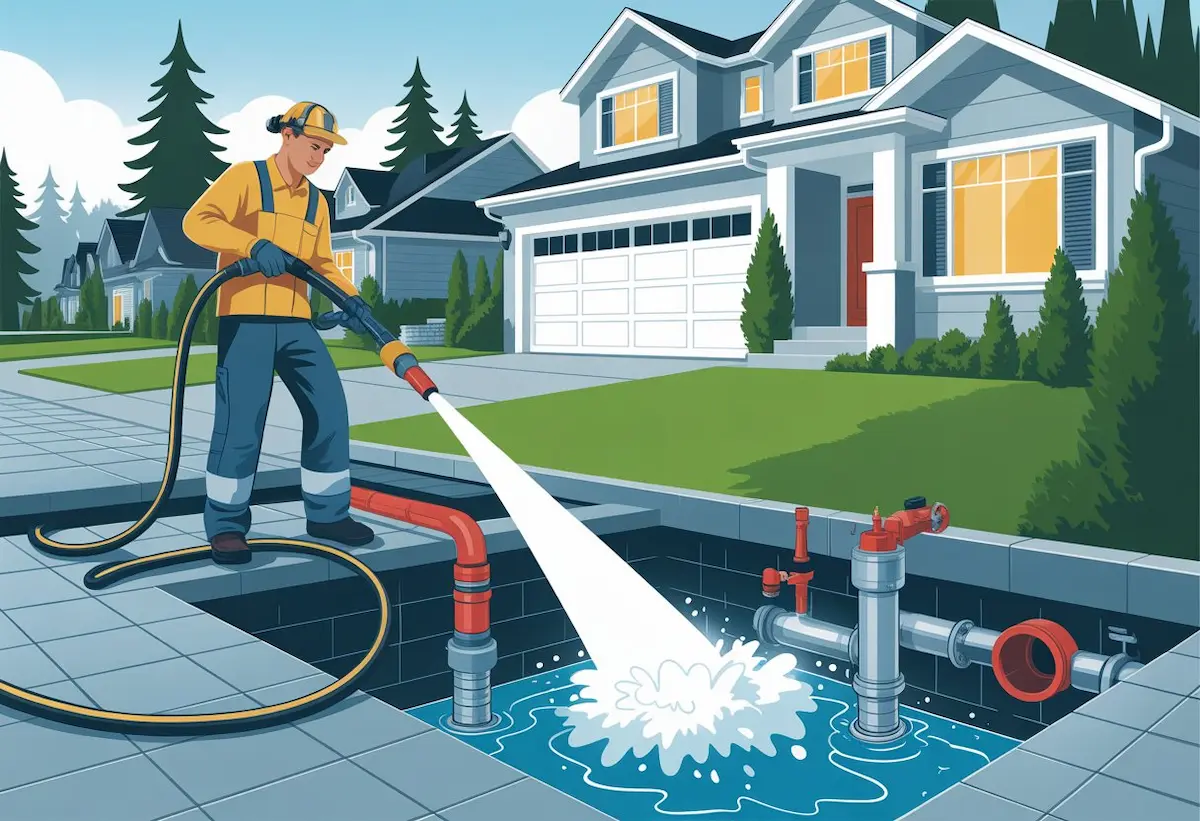

A clogged drain in Everett can turn a regular Wednesday into a day of standing ankle-deep in soapy water. Nobody wants to shower in yesterday’s bathwater or watch their kitchen sink turn into a murky pond. Professional drain cleaning services in Everett tackle everything from hair-clogged bathroom sinks to grease-blocked kitchen lines, typically clearing most drains within an hour.
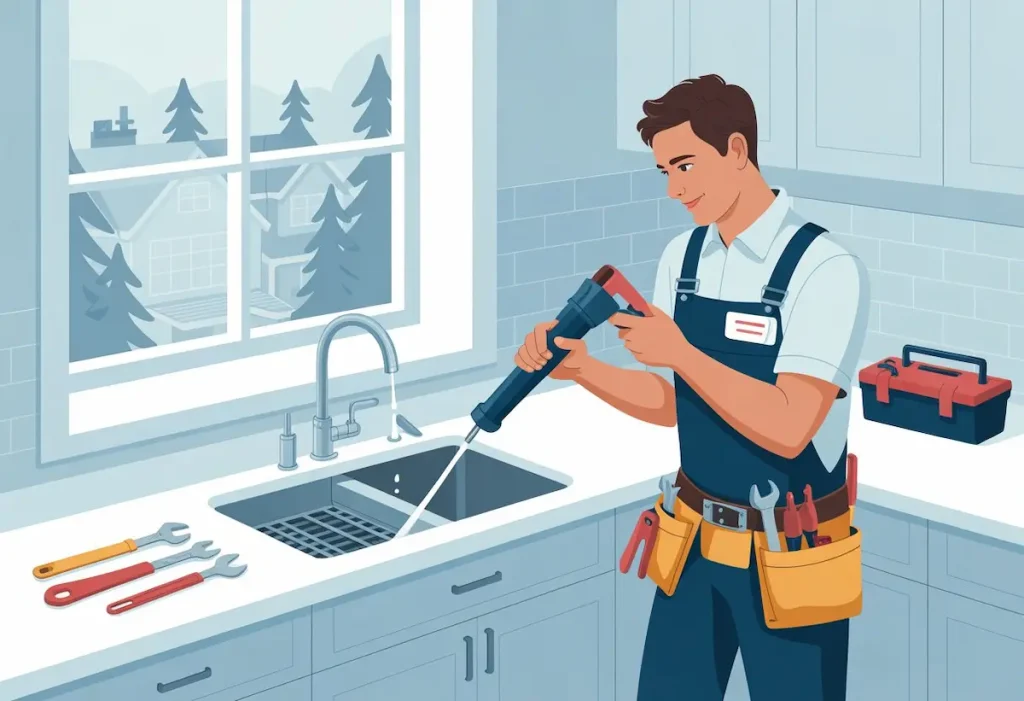
The good news? Some clogs surrender to simple home remedies that cost almost nothing. Others need professional equipment and know-how to blast through years of buildup. This guide walks through both approaches so homeowners know exactly when to grab a plunger and when to call in reinforcements.
Danika Plumbing LLC has cleared thousands of drains across the Seattle area, from minor slowdowns to complete blockages that flood entire bathrooms. The tricks and tools covered here come straight from real service calls, not theoretical plumbing textbooks. Readers will learn what actually works, what wastes time, and how to spot the difference between a quick fix and a serious problem lurking in the pipes.
Quick Fixes You Can Do Right Now

Before calling in the pros, homeowners can tackle minor clogs with items already sitting around the house. These methods work best on fresh drain clogs that haven’t turned into full blockages.
Plastic Bag & Water Trick
This method uses basic physics to push through stubborn debris. Fill a small plastic bag (like a sandwich bag) about halfway with water and tie it tightly. Place the water-filled bag directly over the drain opening and press down firmly with both hands. The bag creates a seal while the water weight adds pressure to dislodge the clog below.
The trick works because the flexible bag molds to fit irregular drain shapes better than rigid tools. Push down in quick, firm pulses rather than steady pressure. Each pulse sends a water surge through the pipes that can break apart soap scum and hair clumps.
Check the drain after 10-15 attempts. If water starts flowing, run hot tap water for two minutes to flush everything through.
Flat Jar Lid Or Coffee Pod Top
Small, flat objects make surprisingly effective improvised plungers for bathroom sinks. Grab a metal jar lid or plastic coffee pod top from the recycling bin. The key is finding something with a flat rim and slight dome shape.
Wet the rim and press it firmly over the drain hole to create suction. Fill the sink with enough water to cover the lid by an inch or two. Push down sharply on the lid, then pull up quickly. Repeat this plunging motion 20-30 times.
The lid acts like a miniature plunger without needing the actual tool. It generates enough suction and pressure to move minor clogs caused by toothpaste, hair, and soap buildup. This method shines when a proper plunger isn’t available at midnight.
Wet Washcloth Method
A damp washcloth transforms into a makeshift drain-clearing tool with the right technique. Fold a standard washcloth into quarters and soak it completely in hot water. Wring out excess water until it’s damp but not dripping.
Press the folded washcloth flat against the drain opening, covering it entirely. The wet fabric creates an airtight seal against the sink surface. Apply steady downward pressure while twisting the cloth back and forth. This motion combines compression with rotational force.
The washcloth technique works through gentle pressure waves rather than aggressive plunging. It suits delicate fixtures where a plunger might cause damage.
Rubber Ball Or Suction Cup
Any small rubber ball that fits partially into the drain opening can substitute for professional equipment. Tennis balls, racquetballs, or even large bouncy balls work well. A suction cup from a phone mount or bathroom accessory serves the same purpose.
Press the ball firmly against the drain while water covers the sink basin. Push down hard and release quickly in rapid succession. The rubber compresses and rebounds, creating pressure changes that break up blockages.
A suction cup with a handle offers better grip and control. Wet the cup rim before pressing it around the drain. Pump the handle vigorously 30-40 times. These household items generate surprising force against drain clogs without scratching porcelain or chrome finishes.
Reliable, Low-Cost Tools That Solve The Problem
Simple prevention tools can stop most drain clogs before they start, saving homeowners from expensive service calls. Two affordable options work remarkably well for keeping drains clear in kitchens and bathrooms.
Universal Rubber Stoppers
Universal rubber stoppers fit most standard drain openings and create an effective seal that catches debris before it enters pipes. These cone-shaped devices compress to fit drains ranging from 1 to 2 inches in diameter. Unlike metal stoppers that corrode or break, quality rubber versions last for years without degrading.
They work particularly well in bathroom sinks where hair and soap scum cause frequent blockages. The stopper sits flush with the drain opening and prevents these materials from sliding past. Homeowners can lift them out weekly to dispose of trapped debris.
Most hardware stores sell these stoppers for $3 to $8 each. The investment pays off quickly since a single prevented clog saves at least $150 in professional drain cleaning fees. Replacing them every two years maintains optimal performance.
Silicone Drain Covers
Silicone drain covers feature perforated surfaces that let water flow while blocking food particles, hair, and other solid waste. The flexible material conforms to different drain shapes and stays in place without adhesive. They’re dishwasher safe, making cleanup effortless.
Kitchen sinks benefit most from these covers since they catch food scraps that would otherwise accumulate in pipes. Bathroom shower drains also see significant improvements, especially in homes with long-haired residents.
The covers cost between $5 and $12 depending on size and thickness. They handle temperatures up to 450 degrees Fahrenheit, so hot water won’t damage them. Homeowners should empty collected debris after each use and run them through the dishwasher monthly.
Why Your Tub Might Still Be Losing Water
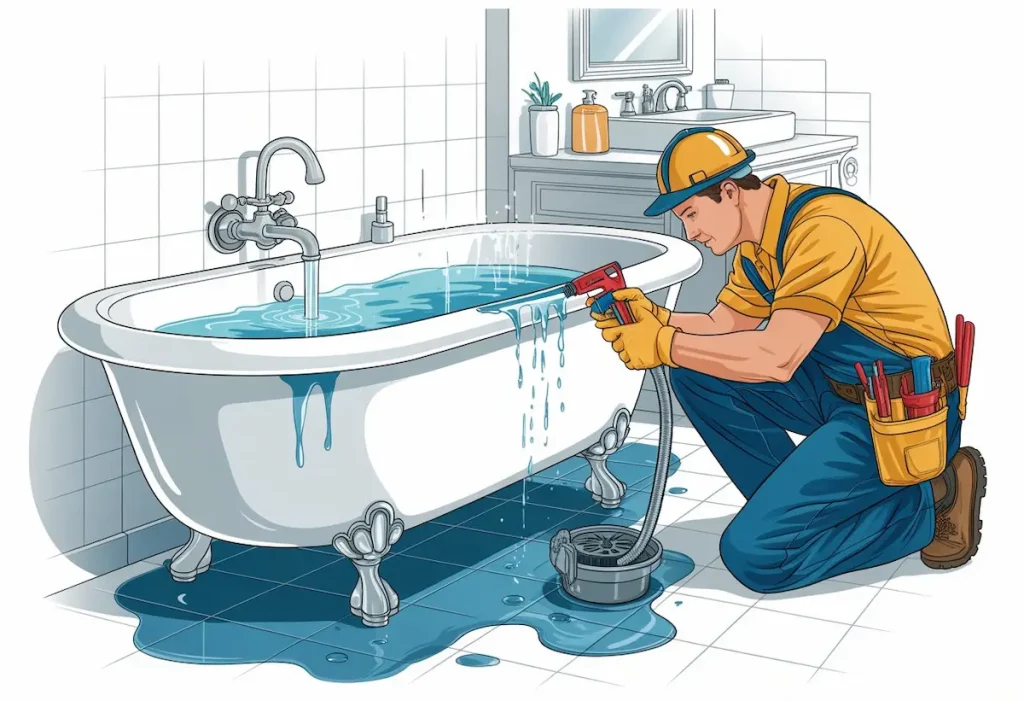
A bathtub that won’t hold water is maddening. The culprit usually hides in plain sight.
The drain stopper mechanism often fails before anything else. These assemblies wear out, crack, or simply stop sealing properly after years of use. When the rubber gasket deteriorates, water sneaks past even when the stopper looks closed.
Hair and soap buildup create slow drains that seem minor at first. But this gunk also prevents stoppers from sitting flush against the drain opening. A thin layer of residue is all it takes to break the seal.
Linkage problems plague pop-up drain assemblies constantly. The metal rod connecting the trip lever to the stopper bends, disconnects, or corrodes. The stopper appears to move but never reaches its proper closed position.
| Common Cause | What Happens |
|---|---|
| Worn gasket | Water seeps around edges |
| Hair buildup | Stopper can’t seal flat |
| Bent linkage | Mechanism fails to close fully |
| Corroded parts | Components don’t move correctly |
Some tubs have different drain systems entirely. Lift-and-turn drains use threaded stoppers that loosen over time. Push-pull stoppers depend on O-rings that crack and fail.
The overflow drain occasionally causes mysterious water loss too. This safety feature sits below the rim of the tub. If its gasket fails or the cover loosens, water drains out before reaching the desired level.
Testing is straightforward. Fill the tub and watch where water disappears. Mark the water line and check back in ten minutes. The leak location becomes obvious quickly.
Remove Or Repair The Existing Stopper (If It’s Still There)

Most drain clogs hide behind old, damaged stoppers that need attention first. Whether someone’s dealing with a toe-touch mechanism, a trip-lever system, or a push-pull model, getting these parts out of the way is essential before tackling the actual blockage.
Toe-Touch, Trip-Lever, And Push-Pull Models
Toe-touch stoppers unscrew counterclockwise from the drain body. A plumber grabs the stopper cap and turns it while holding the base steady. If it won’t budge, a pair of pliers wrapped in a cloth prevents scratching the finish.
Trip-lever stoppers require removing the overflow plate first. Two screws hold this plate against the tub wall. Once removed, the entire linkage and stopper lift out together through the overflow opening. The linkage often collects hair and soap scum along its length.
Push-pull stoppers have a knob on top that twists off. After removing the knob, the stopper lifts straight out of the drain. Some models have a small set screw on the side that needs loosening first.
If any stopper shows corrosion, worn rubber seals, or bent parts, replacement beats repair. A functioning stopper prevents future drainage issues and keeps unwanted items from disappearing down the pipe.
Simple Leak Test You Can Do In 5 Minutes
Water bills climbing faster than a squirrel up a drainpipe? Time to play detective.
This quick test catches hidden leaks before they turn into wallet-draining disasters. Homeowners need just their water meter and a notepad.
Here’s what to do:
- Turn off every water source in the house – toilets, faucets, dishwashers, washing machines, ice makers
- Check the water meter and write down the exact numbers
- Wait five minutes without using any water
- Check the meter again
If those numbers changed, there’s a leak somewhere. It’s that straightforward.
The meter doesn’t lie. Even tiny movements mean water is escaping somewhere in the plumbing system.
Common culprits include:
- Running toilets (the sneakiest offenders)
- Dripping faucets
- Leaking irrigation systems
- Underground pipe cracks
For folks who want to get fancy, add food coloring to toilet tanks. If color appears in the bowl without flushing, the flapper needs replacing.
A single leaking toilet wastes up to 200 gallons daily. That’s enough water to fill a bathtub four times.
Running this test monthly catches problems early. Small leaks become big repairs when ignored.
Danika Plumbing LLC finds that most Everett homeowners discover at least one minor leak during their first test. The good news? Finding it now beats discovering it later through ceiling stains or foundation damage.
Professional plumbers can pinpoint exact leak locations using specialized equipment. They’ll fix what DIY tests reveal.
When It’s Time To Call A Plumber
Some clogs surrender to a plunger. Others dig in like stubborn houseguests who refuse to leave.
Signs you need professional drain cleaning:
- Water backs up in multiple fixtures at once
- Drains gurgle like an angry stomach
- Foul smells emerge from pipes
- Water pools around your feet during showers
- DIY methods fail repeatedly
A single slow drain might just need basic drain clearing. But when every sink and toilet acts possessed, that’s a main line problem requiring professional plumbing services.
Home remedies work for minor blockages. Chemical drain cleaners often create more problems than they solve, though. They corrode pipes and rarely fix deep clogs.
Professional drain cleaning in Everett tackles what store-bought solutions can’t reach. Experienced technicians use specialized tools like hydro jetting to blast away years of buildup. They also perform camera inspections to find exactly where problems hide.
What professionals bring to clogged drain services:
| Method | Best For |
|---|---|
| Hydro Jetting | Severe blockages, grease buildup |
| Camera Inspections | Locating hidden damage |
| Drain Clearing Service | Tree roots, solid obstructions |
Tree roots don’t care about your schedule. They invade pipes and create emergencies at the worst times.
Recurring clogs signal deeper issues that need attention before pipes burst. Waiting turns a simple drain clearing service into a costly excavation project.
Experienced technicians spot warning signs homeowners miss. They fix current problems while preventing future disasters. That’s worth more than fighting the same clogged drains every few months with a plunger and hope.
Final Call To Action: Let’s Make Your Tub Work Like New

A slow-draining tub ruins a good shower. Nobody wants to stand in ankle-deep dirty water while trying to get clean.
Danika Plumbing LLC handles clogged drains throughout Everett and the greater Seattle area every single day. The team knows exactly what’s blocking that drain—hair, soap scum, or something worse lurking down there.
Why call the pros?
- Professional equipment clears blockages completely
- Expert diagnosis prevents future clogs
- Fast service gets the tub working today
- No harsh chemicals damaging old pipes
Store-bought drain cleaners might work on minor clogs. But they often fail on serious blockages and can corrode pipes over time. A plumber’s snake or hydro-jetting equipment solves the problem right the first time.
The longer water sits in a tub, the more bacteria grows. That standing water also puts pressure on pipe seals and joints. Small problems become expensive repairs when ignored.
Danika Plumbing’s technicians arrive ready to work. They diagnose the issue, explain the options, and get that drain flowing fast. No standing water. No lingering smells. Just a tub that drains the way it should.
Schedule service now:
- Call the Danika Plumbing team
- Get a straightforward quote
- Pick a convenient appointment time
- Watch the problem disappear
The bathtub should drain in seconds, not minutes. One call fixes the problem and prevents bigger headaches down the road.
Frequently Asked Questions
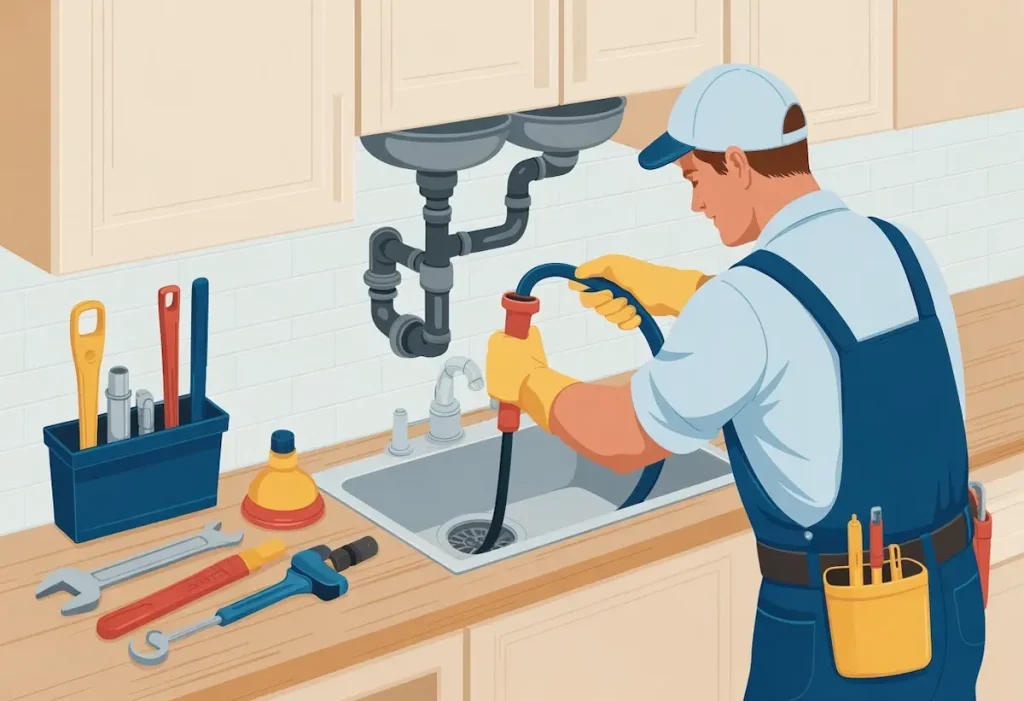
Homeowners in Everett deal with stubborn drain clogs that range from simple hair buildups to more complex pipe issues. Professional drain cleaning services address these problems quickly and prevent them from turning into costly disasters.
What are the common causes of drain clogs in homes?
Hair ranks as the number one culprit for bathroom drain clogs. It combines with soap scum to create thick blockages that water can’t push through.
Kitchen sinks face different enemies. Grease, food particles, and cooking oils solidify inside pipes and trap other debris. Coffee grounds act like sandpaper and stick to pipe walls.
Foreign objects cause surprise blockages. Kids drop toys down drains, and small items like jewelry or bottle caps slip through accidentally. Tree roots invade outdoor sewer lines through tiny cracks, seeking water sources.
How can I tell if my drain needs professional cleaning?
Water pooling around feet during showers signals a problem. The drain should clear water as fast as it flows in.
Gurgling sounds from drains or toilets indicate air trapped in the pipes. This happens when blockages prevent proper water flow and ventilation. Bad smells coming from drains mean decomposing organic matter sits stuck in the pipes.
Multiple slow drains throughout the house point to main sewer line issues. A single slow drain might just need simple attention, but several backed-up fixtures require professional eyes.
What methods do professionals use to clear clogged drains?
Plumbers start with video camera inspections to see exactly what blocks the pipe. This saves time and prevents guesswork.
Hydro-jetting uses high-pressure water streams to blast away buildup. It clears grease, mineral deposits, and other stubborn materials without harsh chemicals. The pressure reaches up to 4,000 PSI and scours pipe walls clean.
Drain snakes work well for simpler clogs. Professionals use motorized augers that reach deep into pipes and break apart blockages. Some situations call for removing pipe sections to clear severe obstructions or replace damaged areas.
Are there any preventive maintenance tips for avoiding future drain clogs?
Drain screens catch hair and food particles before they enter pipes. They cost a few dollars and save thousands in repair bills.
Hot water flushes help kitchen drains. Running very hot water for 30 seconds after each use melts light grease deposits before they harden. Never pour cooking oil or grease down any drain, even with hot water running.
Preventative maintenance includes monthly treatments with enzyme cleaners. These break down organic matter naturally without damaging pipes. Professional drain cleaning every 18-24 months keeps pipes clear and catches small problems early.
Avoid chemical drain cleaners. They damage pipes over time and rarely solve the real problem.
How long does it typically take for a professional to clear a drain clog?
Simple clogs take 30 minutes to an hour. A plumber can snake out basic hair or soap blockages quickly.
Complex jobs need more time. Main sewer line cleaning with hydro-jetting takes two to four hours. This includes setup, cleaning, and video inspection to confirm results.
Severely damaged pipes require repair or replacement. These projects stretch into several hours or even days, depending on pipe location and damage extent.
What should I do if I experience repeated clogging in the same drain?
Repeated clogs mean the root cause remains unfixed. Surface treatments only provide temporary relief.
Schedule a professional inspection with a camera. The plumber can spot pipe damage, improper slope, or hidden obstructions. Bellied pipes that sag collect debris and clog repeatedly.
Sometimes older pipes need replacement. Cast iron and galvanized steel corrode from inside and develop rough surfaces that catch everything. Modern PVC pipes have smooth interiors that resist buildup and last for decades.