
Everett Sump Pump Repair & Installation
Home » Everett Sump Pump Repair & Installation
Everett Sump Pump Repair & Installation
If you need a sump pump, or just need to get your current sump pump examined, look no further than Danika Plumbing & Electric. Our Everett sump pump installation and repair experts specialize in around-the-clock emergency plumbing services all around Washington.
Sump pumps are an important feature to have if you have a basement in your home or a commercial building. A sump pump works to collect groundwater from the sump pit as it flows into the pump from drains in the basement and the soil around the sump pump. When the level of water reaches a certain amount, the pump pushes the water through a discharge line to move it away from the building structure. Everett sump pumps are incredibly important to the health of your basement, especially because the weather is often wet.

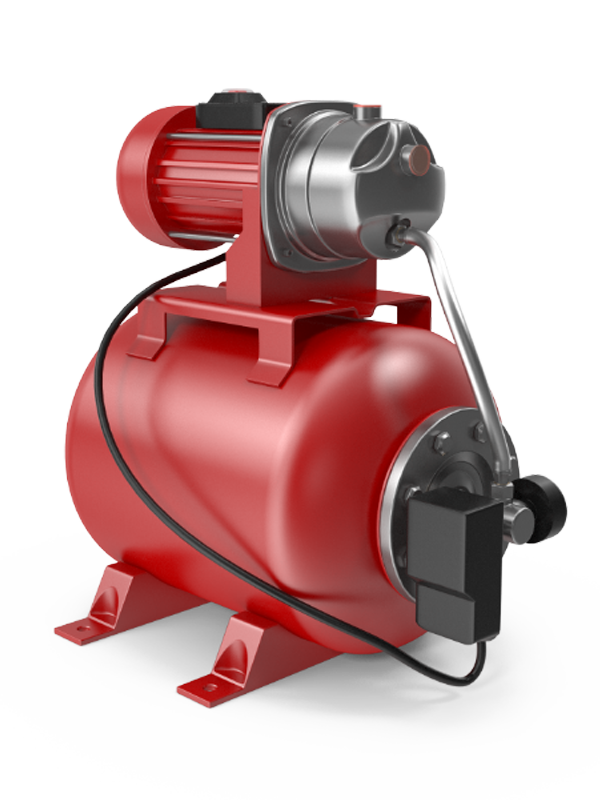
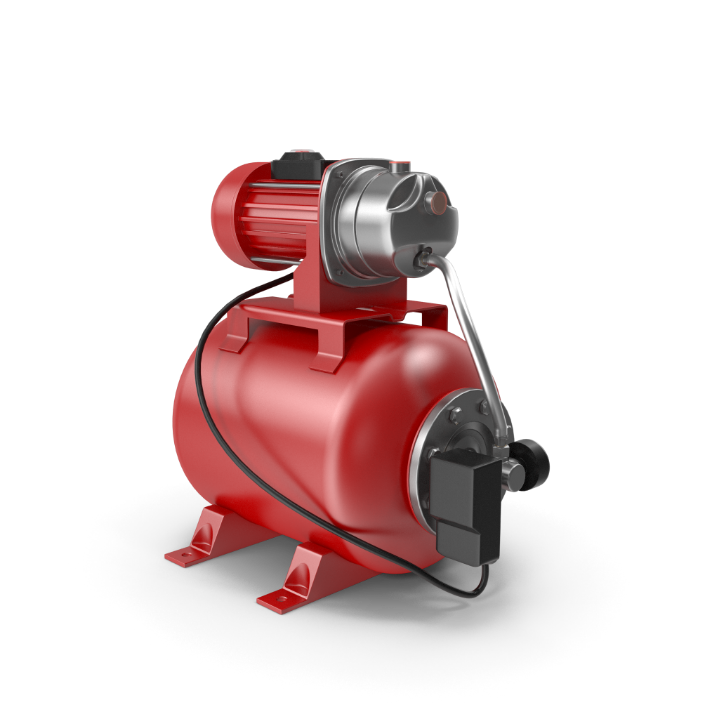
Keep your crawl space free of water
Both pumps utilize a drainpipe to pump the water out of the sump pit and carry it away from the home.
Sump pumps can stop working because of poor installation, inadequate quality of the product itself, or age. If you already have an existing sump pump that does not seem to be doing its job in keeping your home dry, contact us to see if your sump pump needs a simple repair or if it would benefit you to replace the unit altogether.
Either way, you will receive prompt service from one of our highly skilled technicians to ensure that your needs are met. Danika Plumbing & Electric, and our team of emergency plumbers, are proud to serve the area for all of your Everett sump pump installation and sump pump repair needs.
There are different types of sump pumps, depending on your needs

Submersible Pumps
Installed in your sump pit and rest directly in the groundwater, keeping them from overheating during use.

Pedestal Pumps
Need to be installed in larger areas, as they require more space to keep from overheating
The sump system is five parts, and the pump is only one of them
Calls tend to arrive in the same shape. The sump pump is dead. Often it isn’t. Something attached to it stopped doing its job, and the pump has been sitting in the pit waiting for a signal that never came. Telling those apart decides whether you are buying a part or a pump.
The pit
A lined basin set at the low point of a crawl space or basement, so groundwater collects in one place instead of spreading under the house.
The float switch
The moving part that tells the pump to run. It lives in silty water, which tells you most of what you need to know about its life expectancy.
The pump
Submersible or pedestal. It does the lifting, and it sits further down the suspect list than people assume.
The check valve
A one-way flap on the discharge. Without a working one, everything the pump just lifted drains back into the pit and it runs again.
The discharge line
The pipe carrying water away from the foundation, ideally far enough that it isn’t quietly refilling the pit it just emptied.
Five parts, five entirely different failure stories. A technician who lifts the lid and quotes a new pump has skipped four.
Why Snohomish County houses end up fighting groundwater
Much of the ground here sits on glacial till, a dense compacted layer that water does not sink through so much as sit on top of. Rain works down through the looser soil, meets that hardpan, and travels sideways. If your house is downhill of where it is travelling, water shows up regardless of how good your foundation is. Anyone on the low ground near Silver Lake, the Marysville flats, or where the Snohomish River valley flattens out knows the arrangement.
What that ground does with rain is not uniform across the city, either, which is the part homeowners are rarely told. Everett has two long-running weather stations and they describe noticeably different winters:
| Measure (1991–2020 normals) | Paine Field | Everett COOP |
|---|---|---|
| Annual precipitation | 33.37 in | 40.25 in |
| Nights a year at or below 32°F | 28.8 | 51.3 |
| Annual mean minimum temperature | 44.9°F | 43.5°F |
Source: NOAA NCEI, U.S. Climate Normals 1991–2020, stations USW00024222 (Everett/Paine Field) and USC00452675 (Everett COOP). Scope: two stations inside Everett. Pulled August 2026.
Nearly seven inches of annual rain and something like twenty-two extra freezing nights separate two stations in the same city. That is the practical argument against sizing a system off a city average: the volume your pump has to move and the odds of your discharge line icing over both depend on which side of Everett you are on, not on what the forecast says for the region.
Then there is the calendar. Our wet stretch runs long, and it is rarely one dramatic storm. It is week after week of steady rain that never lets the ground dry, so by midwinter the soil is fully charged with nowhere left to put anything. Add the housing stock: much of what got built around Everett, Lynnwood and Mukilteo sits over a crawl space rather than a full basement, and a crawl space is an awkward place to find standing water. You do not walk down into it and notice; you find out later, through a smell, a sagging insulation batt, or a floor that never feels warm. Crawl space water is our local version of the flooded basement.
None of that is a defect. It is the ground we build on, which is why sump equipment is ordinary here rather than an exotic add-on. We treat it that way, the same as water heaters or shutoffs or anything else in the range of plumbing work we handle.
Sump pump failures, one component at a time
Sump pump repair services usually come down to one of these:
The float switch sticks
Silt, a stray piece of gravel, or a tethered float drifted against the wall of a tight pit, and the switch never rises. The pump has power. The pump is fine. The water keeps coming up anyway. Cheap to fix, expensive to ignore.
The intake screen clogs
A submersible sump pump pulls from the bottom of the pit, exactly where sediment settles. Once the screen packs, the motor runs and moves almost nothing. You can hear it working, which is what makes this one so convincing until the water level says otherwise.
The discharge line freezes, sags or gets buried
Outside is where sump problems hide. A line ending at grade can ice over in a cold snap. One buried in a flowerbed can crush, silt up, or fill with roots. One that sags holds water in the low spot. Each time, the pump pushes against a wall it cannot see until something gives.
The motor seizes or burns out
Motors do genuinely die, usually after a long stretch of short-cycling caused by something else: a failed check valve dropping the same water back down the pipe after every run, or a pit too small for the volume arriving. A pump replacement is straightforward. Working out why it worked that hard is the part worth paying for.
The power goes out during the exact storm you needed it
This is the failure that turns an inconvenience into an insurance claim. Wind brings lines down across the county, the ground is already saturated, and the sump pump goes quiet at the worst possible hour. Pump quality does not help here, which is why the next section exists.
One more scenario, misdiagnosed constantly: the crawl space is wet but the pit is dry. That is not a pump problem. Something is letting go out of sight, and the right first move is tracing it with electronic leak detection.
Battery backup, and the storms it was built for
A battery backup sump pump is a second pump, mounted above the primary and wired to a sealed battery. When the power drops or the main unit fails, it takes over on its own. Most setups also alarm. A failure you hear about is a repair; a failure you find in March is a restoration.
The case for one here is not theoretical. Wind takes lines down across Snohomish County PUD territory during storm season, attached to the same weather systems dumping rain on saturated ground. The hour your sump pump most needs to run is the hour it is most likely to have nothing to run on. A standby generator covers this too. A backup pump covers it without anyone being home to start anything.
Sizing still matters. A backup holds the line until utility power returns; it is not meant to keep a house dry indefinitely. We spec from how hard the primary works in an ordinary wet week, how far the water has to be lifted, and what the discharge run really looks like. Finished space below grade makes the clearest case, as does any crawl space where a flood would take out ductwork, insulation and subfloor together.
Sump pump maintenance you can do yourself, and the silt problem underneath everything
Testing a sump pump takes a bucket of water and less patience than you would expect. Pour in enough to raise the float, watch the pump start, watch the level drop, then listen for the check valve to thump shut. If nothing starts, if the level barely moves, or if water runs back down the pipe afterwards, you have found your problem. Do that before the wet season and again partway through it.
Maintenance beyond that test is short, and twice a year covers it. Lift the lid and look into the pit: if silt has built up in the bottom, scoop it out before it can reach the intake. Unplug the pump, lift it out, and rinse the screen and the base. Wipe the float and its rod or tether so nothing gums up the travel, and check that a tethered float still has room to swing without catching the wall of the basin. Make sure the weep hole is clear. Outside, walk the discharge to its end and cut back whatever has grown over it since spring. That is the whole maintenance routine, and it is most of the difference between a pump that lasts its full life and one that quits in the middle of a storm. If crawling under the house is not your idea of a Saturday, sump pump maintenance is something we book as a visit of its own before the wet season starts.
The rest comes down to silt, the running theme in this county’s soil. It settles in the pit, coats the float, packs the intake screen, and works into footing drains until they stop moving water at all. A sump pump that has suddenly started working harder is sometimes not a pump story but a drainage story, and clearing the lines properly does more for it than new equipment ever will.
On a maintenance visit we also check the parts nobody inspects. Whether the pit lid is genuinely sealed. Whether the discharge terminates far enough from the foundation to matter. Whether the line has a weep hole so the pump cannot air-lock. Whether the receptacle feeding it shares a circuit with a chest freezer and a shop vac. Small things, and the difference between a system that runs for years and one that quits the first time it is needed.
What homeowners ask us about sump pumps
How do I know if my sump pump is failing?
The usual signs are a pump that runs constantly, one that hums without moving the water level, a pit that fills while the pump never starts, grinding at startup, and water running back down the discharge pipe after each cycle.
How much do sump pumps cost in Everett?
It depends on whether the fix is a switch, a check valve, a full pump replacement, or a new pit and discharge line. As a rough guide, sump pump repair and maintenance is quoted nationally at $200 to $870 — no local source publishes a repair figure, and Puget Sound labour generally sits above national averages. Swapping out an existing pump in Everett is quoted at $390 to $500, while excavating and installing a complete new system runs $1,200 to $2,800; the Seattle-metro installation figure is lower at $889 to $1,667, which likely reflects drop-in work where a basin already exists. (Repair range: HomeGuide, national. Everett figures: HomeBlue. Seattle figure: Angi. All pulled August 2026.) Those are market ranges rather than quotes. You get a written price before any work starts.
Do I really need a battery backup sump pump?
If a wet crawl space or basement would damage anything you care about, yes. Winter storms here bring outages and heavy rain together, which is exactly when a pump on utility power alone stops being useful.
Can a sump pump go in a crawl space instead of a basement?
Yes, and here it is common, since many local homes have no basement at all. We set the pit at the low point, seal the lid, and run the discharge out and away from the foundation.
Where is the discharge water supposed to go?
Outside and away from the house, never into the sanitary sewer. The line should terminate far enough from the foundation that the water does not simply find its way back to the pit it came from.