
Drain Cleaning in Everett, WA
Home » Drain Cleaning in Everett, WA
Get the best drain cleaning Everett offers!
Are you noticing a build-up of water at your feet when you shower?
Does the bathroom sink start to fill up when you wash your hands or brush your teeth? Your drains are clogged-especially if you’re noticing a foul stench coming from any of the drains that carry water out of your home. Call Danika to clear your drains and get your plumbing running smoothly again.
Danika Plumbing & Electric is your premier plumbing company when it comes to pipe-clearing services. We’ve cleared mountains of gunk and built up sludge from thousands of homes in the Everett WA area.
Call us when you need fast service at an affordable price.
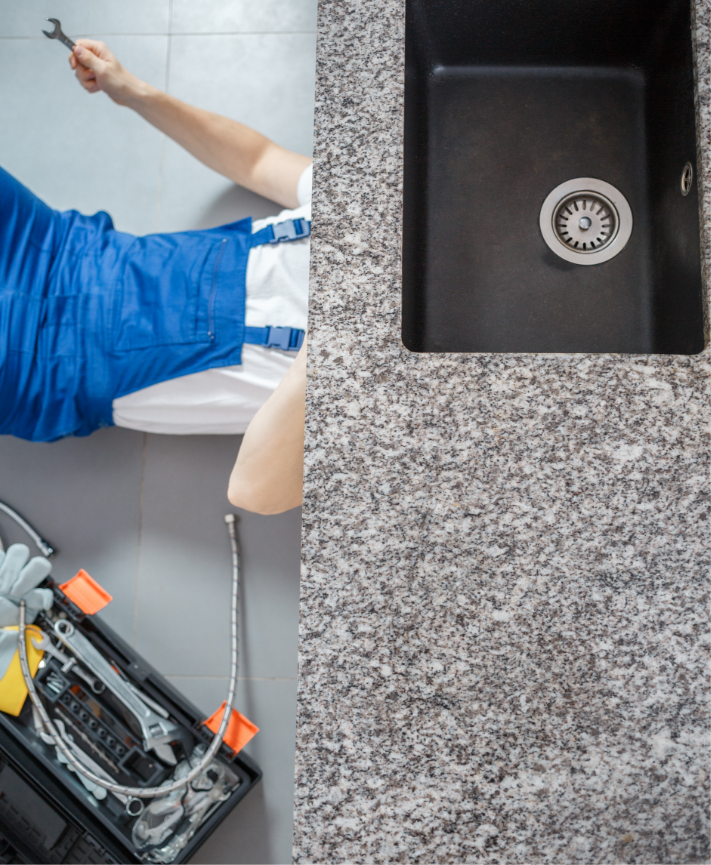
Don’t let clogged drains get worse
Faulty drainage, leaks, and other problems with your home’s sewage system can cause serious problems like flooding, mold growth, contamination. In serious cases, this can cause damage to your home’s flooring and potentially your belongings too.
Don’t ignore your plumbing problems, and risk sewage backup coming into your home. Call the experts at Danika Plumbing & Electric instead. We’re proud to be a locally owned and operated plumbing company in Everett that specializes in unclogging sinks, toilets, showers and sewer lines.
We’ll help you get a handle on all of your plumbing issues. You can have an Everett plumber to your door in a matter of minutes if it’s an emergency. We provide you with:
- Emergency services
- 24-hour around the clock service
- Fast and courteous professionals
- Effective solutions at an affordable price
Innovative Drain Clearing Services in Everett WA
In most cases, slow drains or water backups can be fixed through non-invasive methods. Our innovative sewer scope cameras and pipe clearing equipment will quickly get to the source of the problem so we can get everything flowing again.
If your home requires more extensive sewer repair, we’ll take the time to do it right. No matter how big or small your drainage or sewage problems are, you can count on us to fix them, all with our signature reliability and friendly customer service!
Give us a call for:
- Clogged bathroom sinks
- Backed-up kitchen sinks
- Slow-draining showers and bathtubs
- Problems with water lines
- Sewer repair
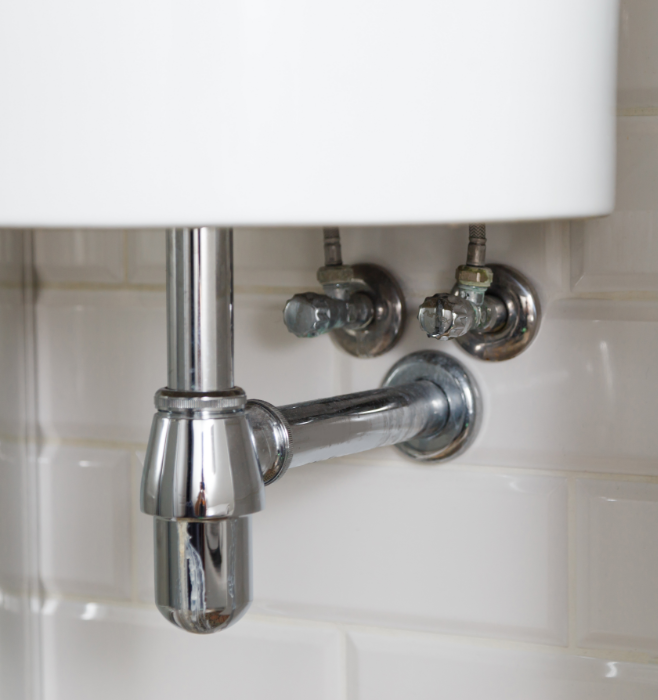
Common reasons for
clogged bathroom drain pipes
There are no secrets when it comes to figuring out why your drain pipe is clogged. Every day skin, dirt, and hair gets sent through your bathroom drains. Mix this all with soap and a lot of the scum and dirt will bind to the pipes. The accumulation of this filth and grime builds up on your pipes and reduces the amount of water that can get through.
Beware of compromised pipes
There are of course more serious complications that can clog your drain. The roots of trees are known to infiltrate pipes. This can cause more serious damage and you will need a more complex solution to fix the issue.
Depending on the type of pipes you have and when they were installed you may need your pipes replaced. Old, cracked, or rusted pipes can also cause drainage issues. This is not a job for anyone less than a professional.
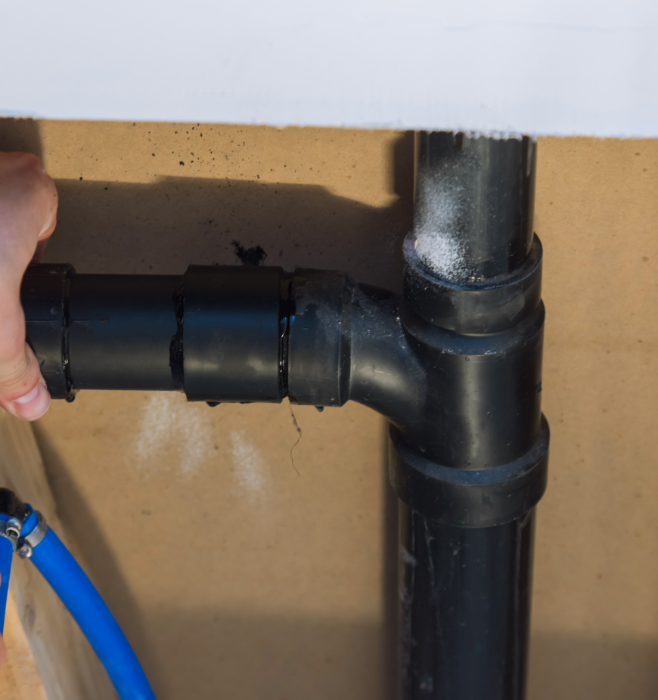
There's a Reason We're the #1 Plumbing Company in Everett
We know that plumbing problems can be a hassle, which is why we offer quality services at an affordable price. We can be at any home or business in Seattle within minutes. From the top of the city near Thornton Creek Natural Area Park to South Seattle, we got you covered! If you have any questions or concerns, please don’t hesitate to contact us. We’re always happy to help!

Additional Plumbing Services
We go to great lengths to ensure that your plumbing service is perfect. Our technicians can quickly assess the situation and resolve the issue while saving you money on costly repairs. By bringing you the best quality service at the lowest possible price, we guarantee that your plumbing experience is peaceful and efficient.
Whether you need the best plumber Seattle offers to troubleshoot your toilet issues or have plumbing work done to your entire home, we can help you. From water heater replacements to kitchen sink replacements, we are here to help! We offer a full range of services.
- Showers and Faucets
- Busted/backed-up pipes
- Emergency Services
- Hydro-jetting
- Sewer repair
- Water line repair
- Commercial Plumbing

Water Heaters
When your water heater breaks down, it can be a considerable inconvenience. No hot water means no showers, no doing the dishes, and in some cases, no heating. You need a water heater you can rely on.
If your water heater is between 10-15 years old, it may be time for a replacement. A new water heater will not only be more energy-efficient but will also have a longer lifespan. We can help you choose the best water heater for your needs and install it quickly and efficiently.
If your water heater is still under warranty, we can help you with repairs. We are experienced in dealing with all major brands and models of water heaters. We will troubleshoot the problem and get your water heater up and running in no time.
Success Stories from Real Everett Homeowners
Posted on Google
 Xifeng Dong12 September 2026
 This is a great experience. My friend told me this company number. I really want to recommend one of their worker. Saiff Abbas has done excellent work. He is very professional.Posted on Google
 Dan Ing11 September 2026Danika Plumbing was awesome! Saif came out and fixed the original issue, but he also went above and beyond by taking care of several other little plumbing issues while he was here. He handled everything quickly, easily, and professionally, and even took the extra time to zip-tie the hoses together and organize everything so it looked cleaner and better than it did before. I really appreciated that he went the extra mile just to make sure everything was done right, without trying to add unnecessary charges. It’s not often you come across someone who takes that much pride in their work and genuinely wants to help. Thank you, Saif, and Danika Plumbing, for the excellent service. Highly recommended!Posted on Google
 Deon Wilkins7 September 2026Fast, efficient, and clean work with special attention to detail.Posted on Google
 tyler seymour3 September 2026Saiff was very friendly and quick and did an excellent job with my water heater pipe fixPosted on Google
 thomas oates3 September 2026I don’t write reviews, but Mike Lashbaugh at Danika Plumbing deserves a medal for a couple of reasons. A few months ago I had a hot water tank in the basement fail. The drain was plugged and the tank was full. I called Danika and they sent Mike out. He couldn’t get the 50 gallon tank to drain either. It was no problem. He loaded the tank on a dolly and single handedly hauled the full 45-50 gallons of water and tank (400 plus lbs) up the stairs. The price was competitive, he did a great job and made it look easy. But the real talent was on display two days ago when I had a main sewer stack leak in the basement. Three plumbers came out and looked at it. The large leaking pipe is in a 114 year old building. It was a cast iron sewer stack buried in a brick wall, then it traveled through 15 inches of concrete foundation and then through part of a brick chimney. The first three plumbers didn’t want any part of it and left. They left. I thought I was super screwed. At 2:00 pm in the afternoon, Mike showed up and didn’t flinch. He studied it for about 15 minutes, clearly identifying the problem, and determined there was no need for a scope. He quoted a fair price, then disappeared for about an hour to get bigger tools. At 3:00 PM in the afternoon he started busting out bricks and foundation and part of the chimney with a hammer drill. What mike didn’t do is pull out a gimicky ipad, start creating reasons why he has to charge more and telling me “that’s what the software says” while explaining how difficult the job was. Any moron could see it was a big horrible problem. A couple of hours later Nick, his apprentice, showed up and helped excavate the buried line. Between 3:00 pm and 8:00PM they were able to free the pipe after 114 years, cut it, and replace all the leaks and sections that had holes. A new main sewer stack connection was completely installed in 5 hours. * Mike made it look easy. Not only was it fixed, it was fixed right, no corners cut, no unnecessary charges, and he did not drag it out for days. My tenants did not miss a day, and I didn’t have to refund any rent. Service was only interrupted between 3:00 pm and 8:00 PM. *5 hours!. What Mike did in five hours was unbelievable. The best part is, you can trust Mike. Thank you Mike Lashbaugh at Danika.Posted on Google
 Jim H28 August 2026Excellent service, parts and experience dealing with Danika for our new toilets.Posted on Google
 Terry Sinn26 August 2026Travis was kind,considerate and very knowledgeable. Fixed our plumbing issues and left spaces spotless.Posted on Google
 Nicole Trolio21 August 2026Travis was fantastic! Explained his solution to my plumbing problem and the best way to get it done. Got it done the same day! Put up with my large "helper" dogs!Posted on Google
 John Swartos20 August 2026Travis was amazing, I wish I could give him 10 stars. Showed up early, super professional, clean work, wore shoe covers, solved our plumbing issues quickly and dropped some great knowledge that I, as a newer homeowner found very informative. Highly recommend them for any plumbing needs!Posted on Google
 Bo14 August 2026Super fast and efficient. Definitely hire again .Posted on Google
 Anthony Simicich13 August 2026Travis was the most amazing plumber I’ve ever had! Highly recommend!Posted on Google
 Shirley Gorman12 August 2026Travis installed new plumbing for a bathroom remodel at my home. He did a great a job and I could not be more pleased with the results. Extra kudos to him for his outstanding customer service skills!Posted on Google
 ThePrincessndey5 August 2026Travis was awesome, helped us with our gas leak same day.Posted on Google
 lucy woodruff5 August 2026Travis did an amazing job at our store! He came by this morning to add a water filter to our ice machine and was so quick and clean. Thank you Travis!Posted on Google
 Matt Karan31 July 2026I called in the evening outside of business hours due to an unexpected leak, and was very quickly contacted the next morning to get an appointment scheduled to replace our garbage disposal. We received great communication throughout the process, and our technician Travis was very polite and professional and got our new disposal installed quickly.Posted on Google
 Cari Mensing30 July 2026He was a very nice, respectful guy who really knew what he was doing.Posted on Google
 Sarah Close29 July 2026Technician Travis at Danika plumbing and electric was absolutely wonderful to work with. He was knowledgeable and very efficient. Highly recommend!Posted on Google
 Alison C29 July 2026Travis is wonderful. Worked with me to get residents in the condominium to stop running water giving them time. Fixed the leak once we had most of them stopped haha in less than 15 minutes. Cleaning up now. I want to marry him but he's taken.Posted on Google
 Jannean W24 July 2026Everyone was great and answered all of my questions perfectly. Thank you. 😁Posted on Google
 Marilisa Vergottini23 July 2026I have used Danika plumbing regularly for the last 4 years when working with clients (I am a real estate agent). Clients have been consistently happy with their work and as a result, so have I! From the first call with reception/office manager, the experience is seamless and professional (that’s rare!). Today, I used Danika for the first time on a plumbing issue at my own house. They were timely, professional, and got the job done. Super happy with their service!Posted on Google
 Doug Howlett21 July 2026Toilet installation was quick and without problems. Travis described the process and detailed any potential future issues.Posted on Google
 Gail Pyper18 July 2026Travis & Nick were very professional, thorough & demonstrated excellent problem solving skills. There were challenges during the process & they met each one with grace & determination.Posted on Google
 Ricardo Limon17 July 2026Travis and Nick did a great job. Respectful, professional and left everything cleaned. They also explained what the issue was which I appreciated. Great experience overall!Posted on Google
 Anai Perez15 July 2026Travis helped us when we had a toilet issues and promptly fixed I it toilet.Posted on Google
 Sharda Whitman15 July 2026Travis was super helpful and informative. He not only repaired my kitchen faucet but noticed a cracks in the piping and replaced that as well at not additional charge. He also did a free inspection of other sinks, toilets and water heater. I highly recommend Dannika. They are very thorough and reliable! Travis was able to repair my sink the same day which was very convenient. Will be using them again for sure.