
When the extreme cold hits your home, having immediate access to contact details and clear next-step guidance is essential. Ask your expert plumber for a direct phone number, emergency hours, and any warranty terms so you can act fast if a winter pipe issue returns. It is a common mistake to wait until pipes freeze to find an expert who can fix the damage. Professional plumbers can help you navigate these problems before they escalate into an expensive repair.
Checklist to request:
Shutoff location: Identifying exactly where to turn water off at the main shut-off valves in an emergency.
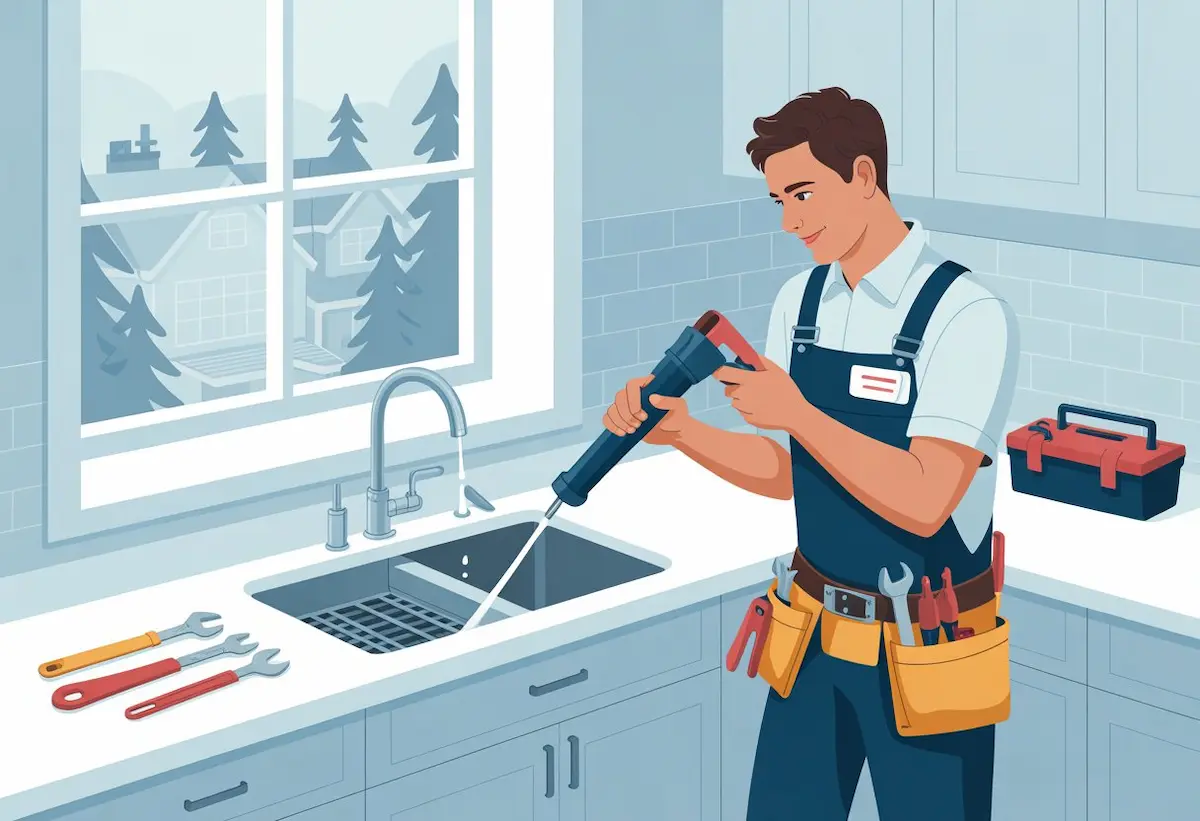
Temporary fixes: Safe short-term steps, such as using a hair dryer to thaw pipes or applying heat tape to prevent frozen lines from bursting.
Signs to watch: Learning to inspect for early symptoms of frozen pipes, such as restricted flow, or identifying cracks and leaks to call for repair immediately.
Estimated timelines: Discussing how long major winter plumbing inspections or a repair usually takes.
Keep this information written down and stored where you can reach it during a winter pipe or general plumbing emergency.
How to Insulate Exposed Pipes and Prevent Cold Weather Cracks?
Follow a few simple maintenance habits to reduce future pipe issues and breakdowns. Install strainers in shower and sink drains to catch hair and debris that can complicate winter plumbing flow. Schedule periodic maintenance with a licensed plumber to inspect for wear or weak seals early. You should insulate exposed pipes in unheated areas like crawlspaces or a basement with a finished ceiling and keep cabinets open during cold weather snaps to prevent freezing. Address small leaks promptly to prevent cracks from expanding into burst pipes when the cold worsens.
Plumbing Upgrades to Avoid a Service Line Failure
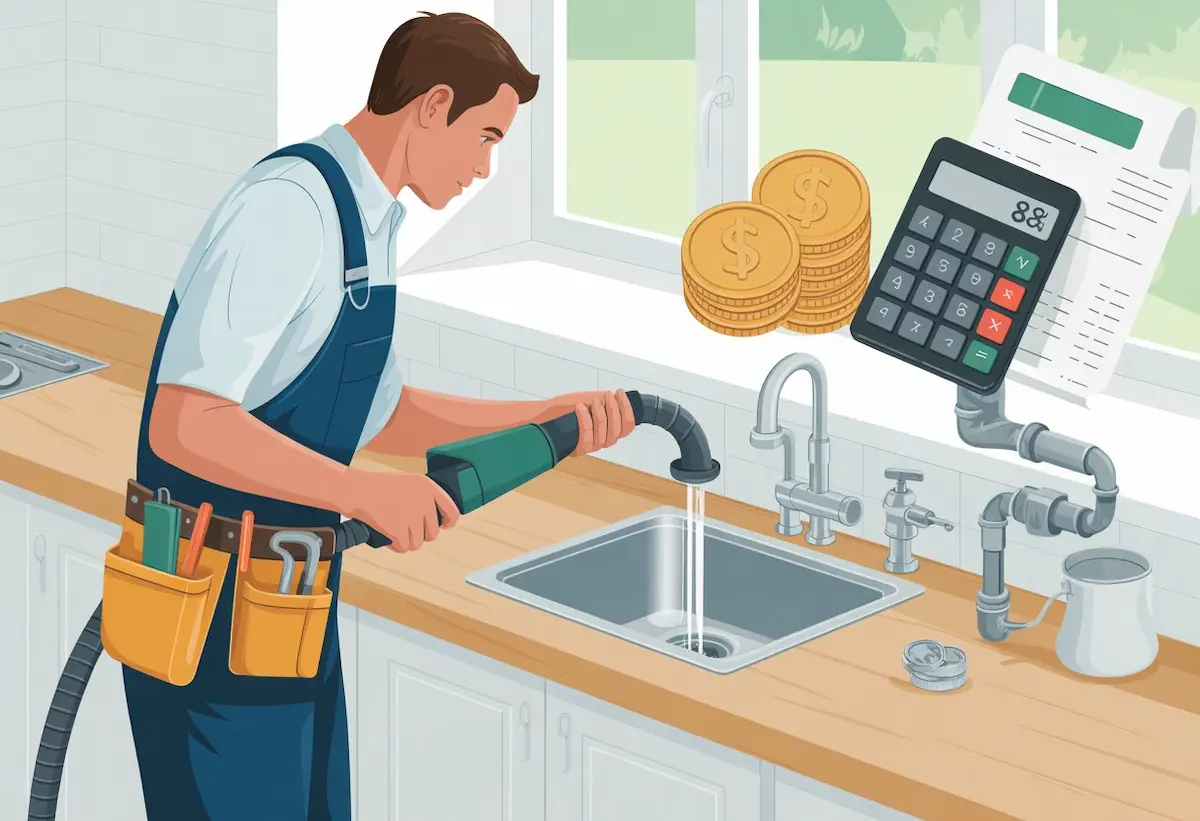
Yes—you can choose upgrades once a repair is finished. Your insurer often covers approved repair and replacement costs, but any optional plumbing improvements or higher-end materials beyond the claim must be paid by you. Upgrading your service line during other repair work can be a cost-effective way to modernize your home. This tip can save money on labor costs in the long run.
How to Restore the Yard After Sewer and Service Line Work?
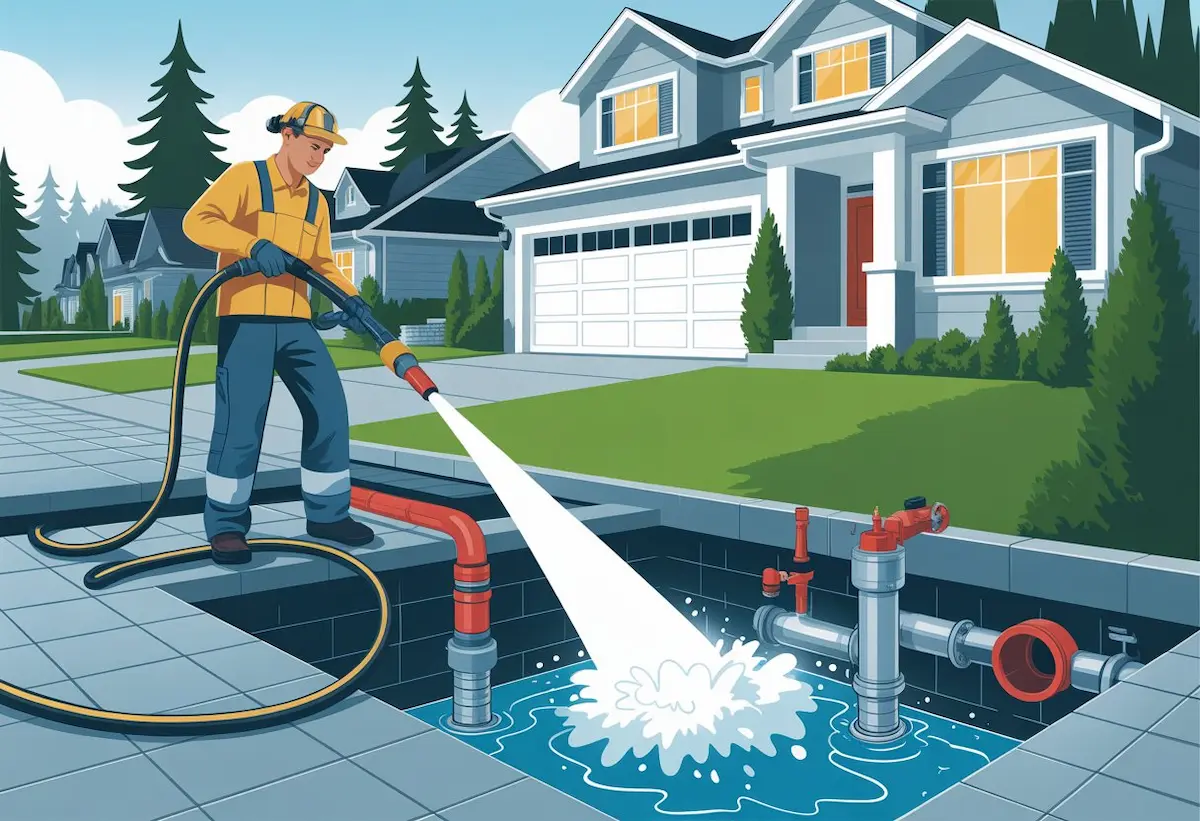
- Remove debris and level soil; compact fill in layers to prevent future settling around the pipe.
- Replace topsoil and reseed or lay sod to match surrounding turf.
- Repair or replace hardscape (pavers, irrigation, walkways) and check grading for proper drainage.
- Water and monitor new vegetation; address any remaining low spots after a few weeks.
Dealing With Burst Pipes: Is the Site Safe for Regular Use?
Check key safety points before resuming normal use. Verify repair work is complete, fixtures work, and no leaks or hazards remain. Burst pipes can cause significant structural damage, especially behind a finished ceiling.
- Inspect all visible exposed pipes, drains, and valves.
- Test water flow and temperature, ensuring the water heater is functioning correctly after the cold snap.
- Confirm any agreed repair matches the invoice.
When Pipes Freeze: How Can You Get in Touch?
If you need follow-up service or emergency help, keep the plumbers contact details handy. When pipes freeze, a quick pipe thaw performed by a professional can prevent a total plumbing failure. Use a gentle thaw method to avoid damaging the pipes.
Phone: Call 425-374-1557 for scheduling, questions, or an urgent repair.
Online: Visit the website to view services, hours, and booking options.
When you call, be ready to describe symptoms and any frozen sections. Ask about arrival windows and whether you’ll receive written estimates for the repair. Keep records of dates, invoices, and names to simplify a future repair or warranty claim.